The 30th Annual Philippine Studies Forum in Japan brought together scholars, researchers, students, and practitioners interested in the Philippines and its connections with Japan and the wider world.
Held on June 21 and 22, 2025, at the Komaba Campus of the University of Tokyo, the annual academic forum provided a more intimate setting for conversations about Philippine society, culture, history, literature, media, and other areas of Philippine Studies.
Ned Legaspi presented “Reclaiming Filipino Narratives: The CIS Bamboo Framework for Culturally Intelligent Storytelling in Philippine Film and Series.” The presentation introduced the CIS Bamboo Framework as an approach to helping Filipino and Southeast Asian creators develop stories that can connect across cultures while remaining rooted in their own cultural realities.
Through the four interconnected stages of StoryRoot, StoryCraft, StoryPulse, and StoryLeaf, Ned explored how creators can move from cultural grounding to narrative development, audience resonance, and continuing adaptation. The presentation also examined internationally successful screen stories to consider why some narratives travel across cultural boundaries without losing their distinctive cultural identities.
The forum marked Ned’s second international speaking engagement and his first presentation outside the Philippines.
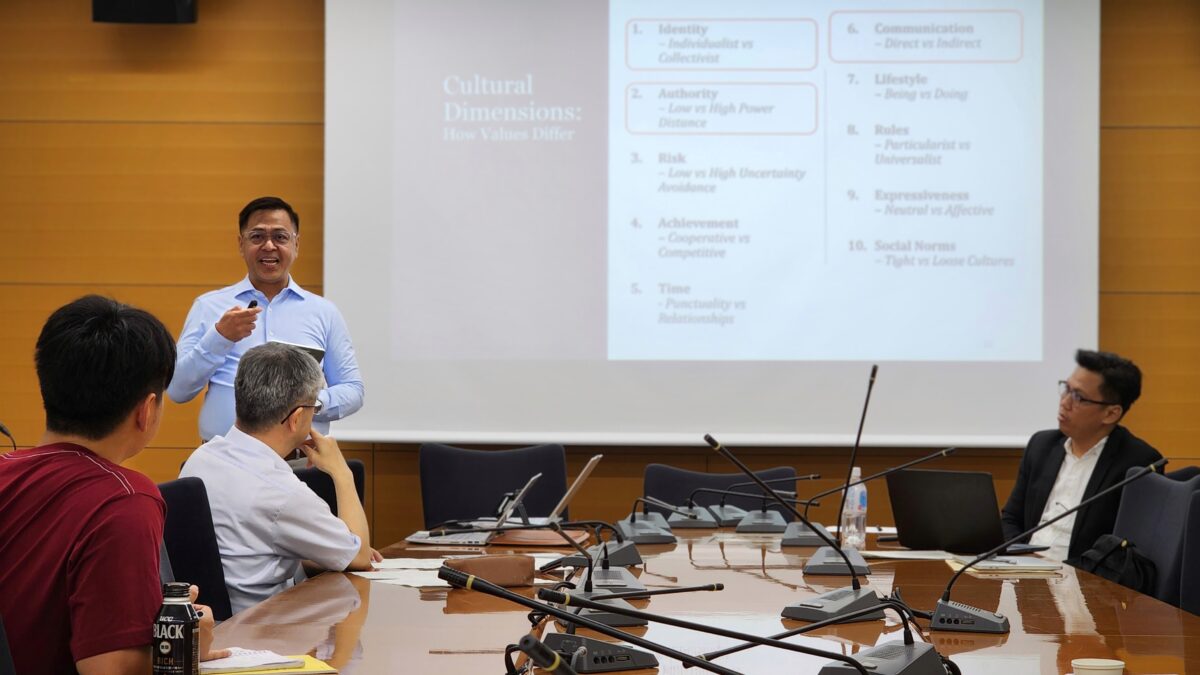
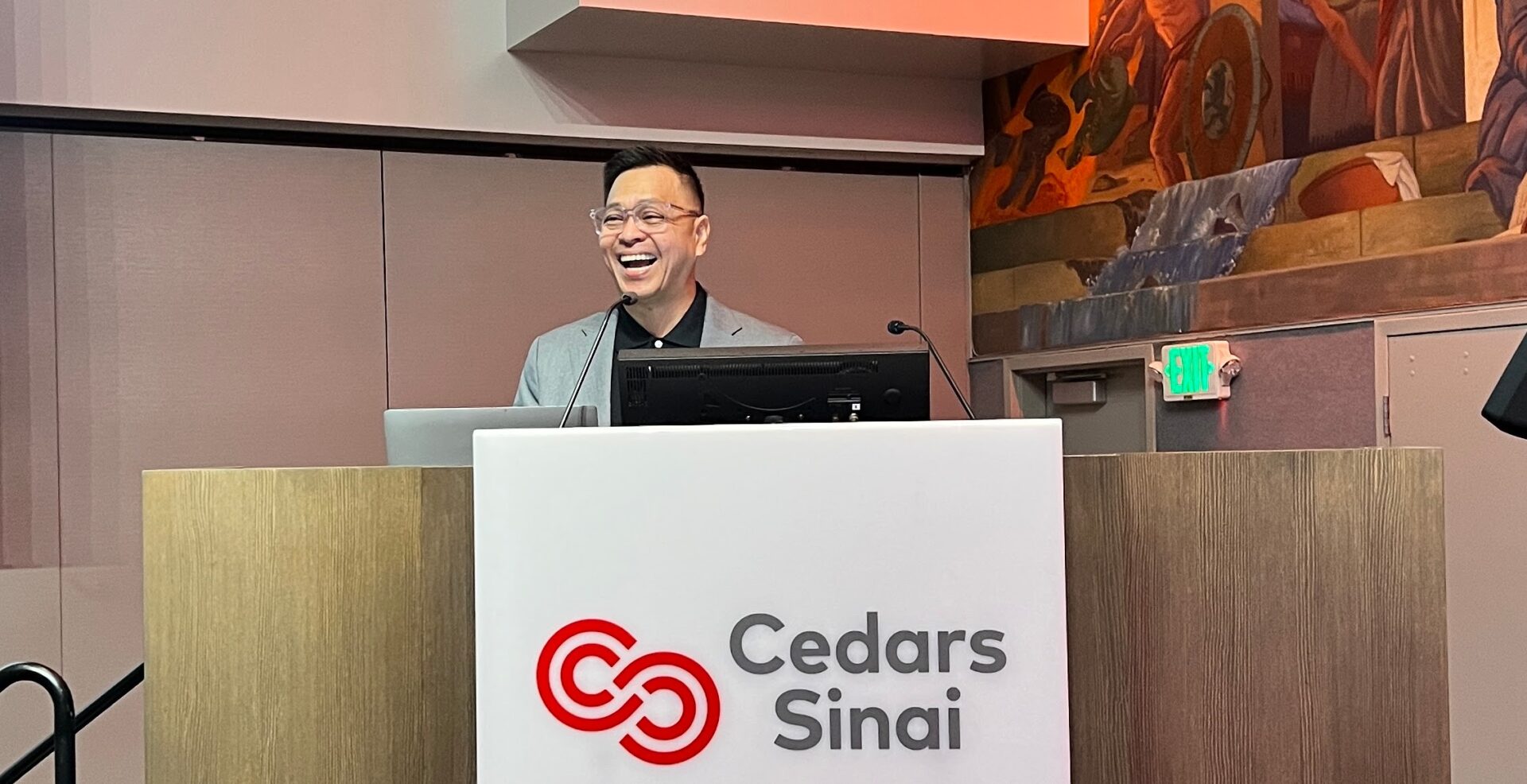
Ned Legaspi discusses how cultural differences shape storytelling and audience reception during the 30th Annual Philippine Studies Forum in Japan at the University of Tokyo.
Engagement Details
Event: 30th Annual Philippine Studies Forum in Japan 2025 Date: June 21, 2025 Venue: Komaba Campus, University of Tokyo, Tokyo, Japan Presentation:Reclaiming Filipino Narratives: The CIS Bamboo Framework for Culturally Intelligent Storytelling in Philippine Film and Series Session: Session 3, Literature 1: Authors Format: Academic Forum Presentation
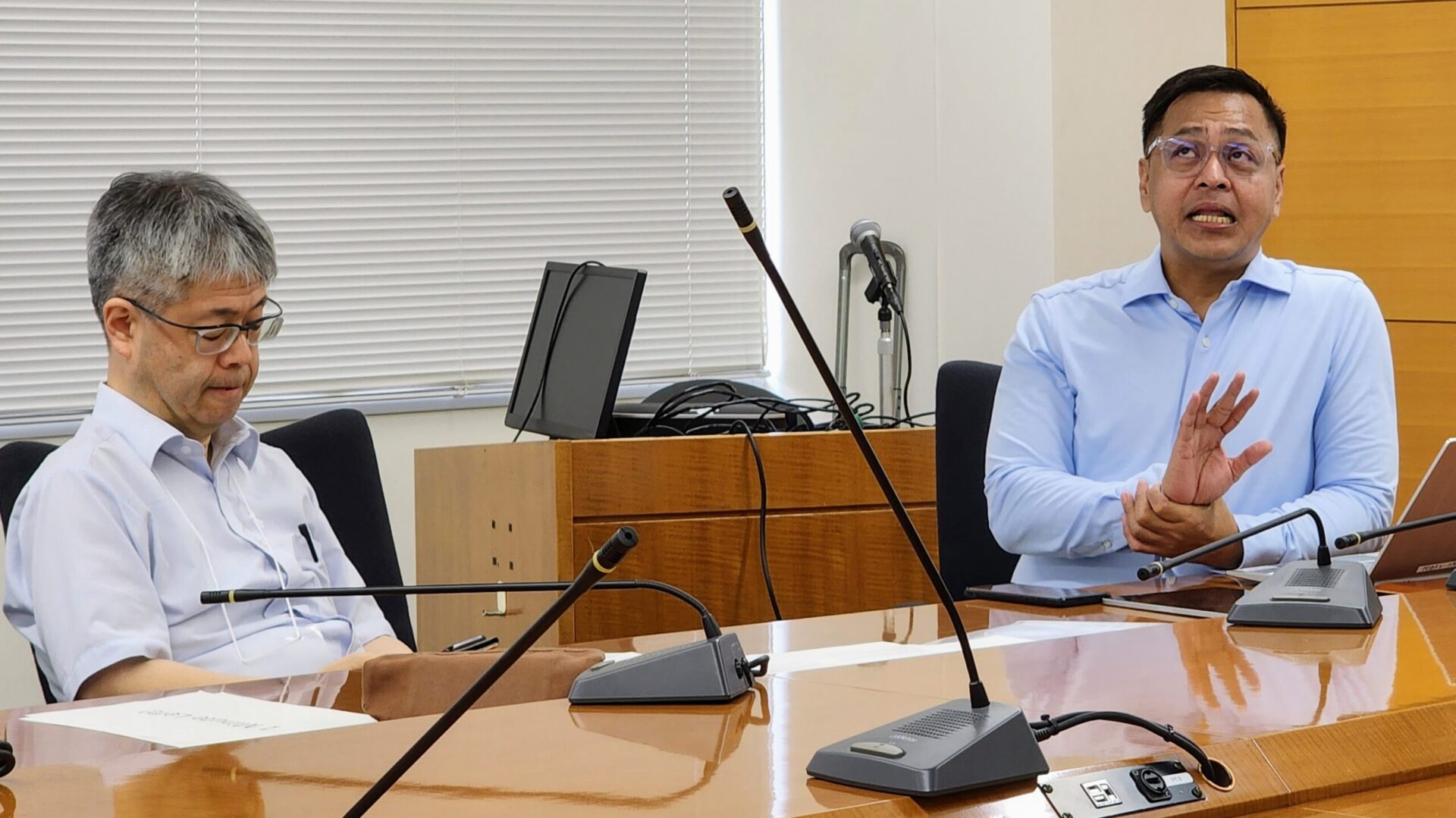
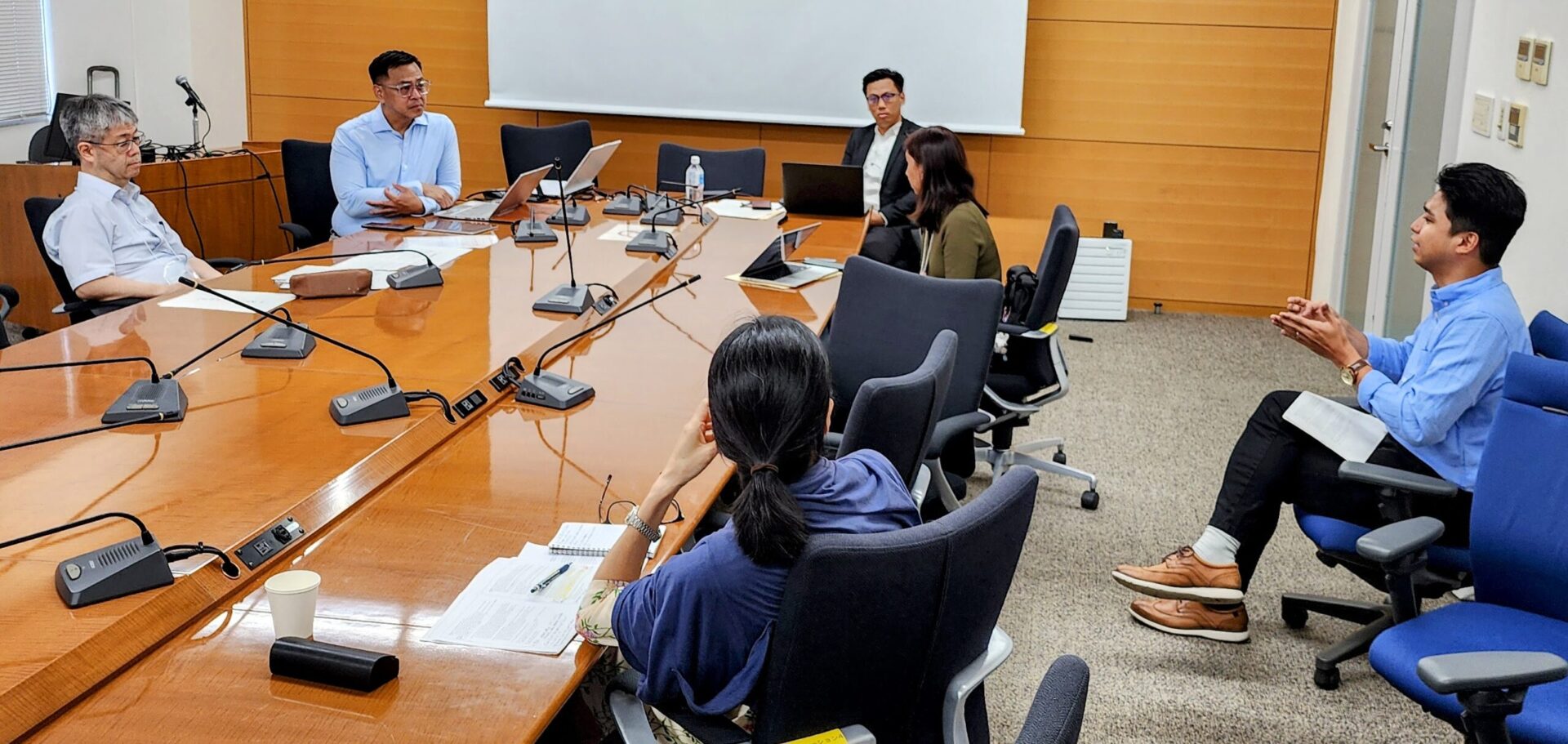
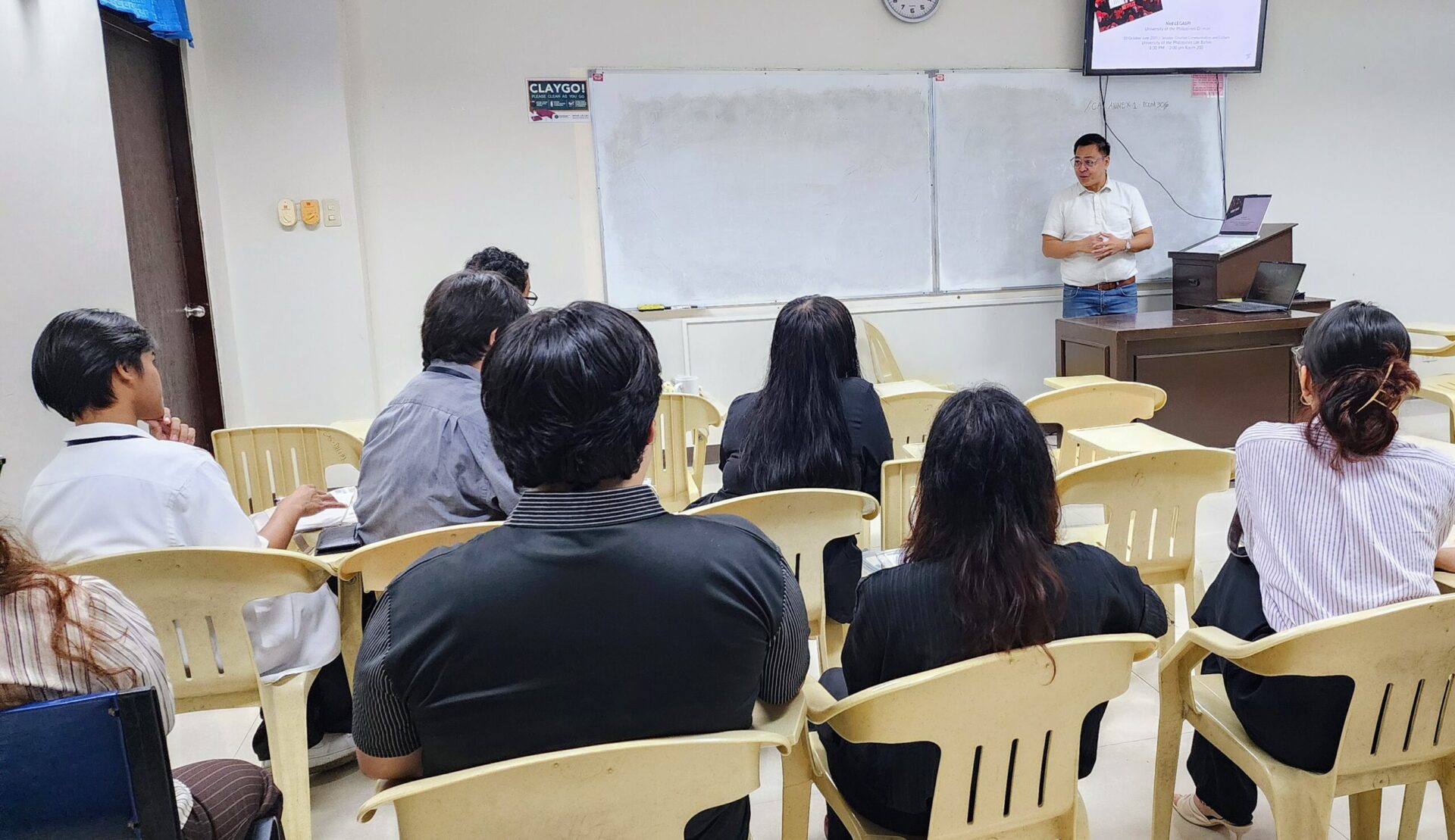
The intimate forum setting allowed ideas to move beyond presentation into conversation, with participants discussing storytelling, culture, and audience experience at the University of Tokyo.
Taking the Conversation to Tokyo
Three weeks after my first academic conference presentation in Manila, the conversation traveled to Tokyo.
This was my second international speaking engagement, but my first outside the Philippines. I arrived at the University of Tokyo carrying the same questions that had been shaping my work: How do stories travel across cultures? Why do some deeply local stories resonate with people who come from completely different contexts? And how can creators reach wider audiences without losing the cultural roots of their stories?
The setting was different from my first academic conference experience. The Philippine Studies Forum was more intimate, allowing presentations to become conversations and ideas to continue beyond the formal session.
I presented the CIS Bamboo Framework through the four stages of StoryRoot, StoryCraft, StoryPulse, and StoryLeaf. I spoke about cultural grounding, the choices creators make in shaping narratives, the signals we receive from audiences, and the ways stories continue to travel and acquire meaning across different contexts.
But one of the most meaningful moments happened after the presentation.
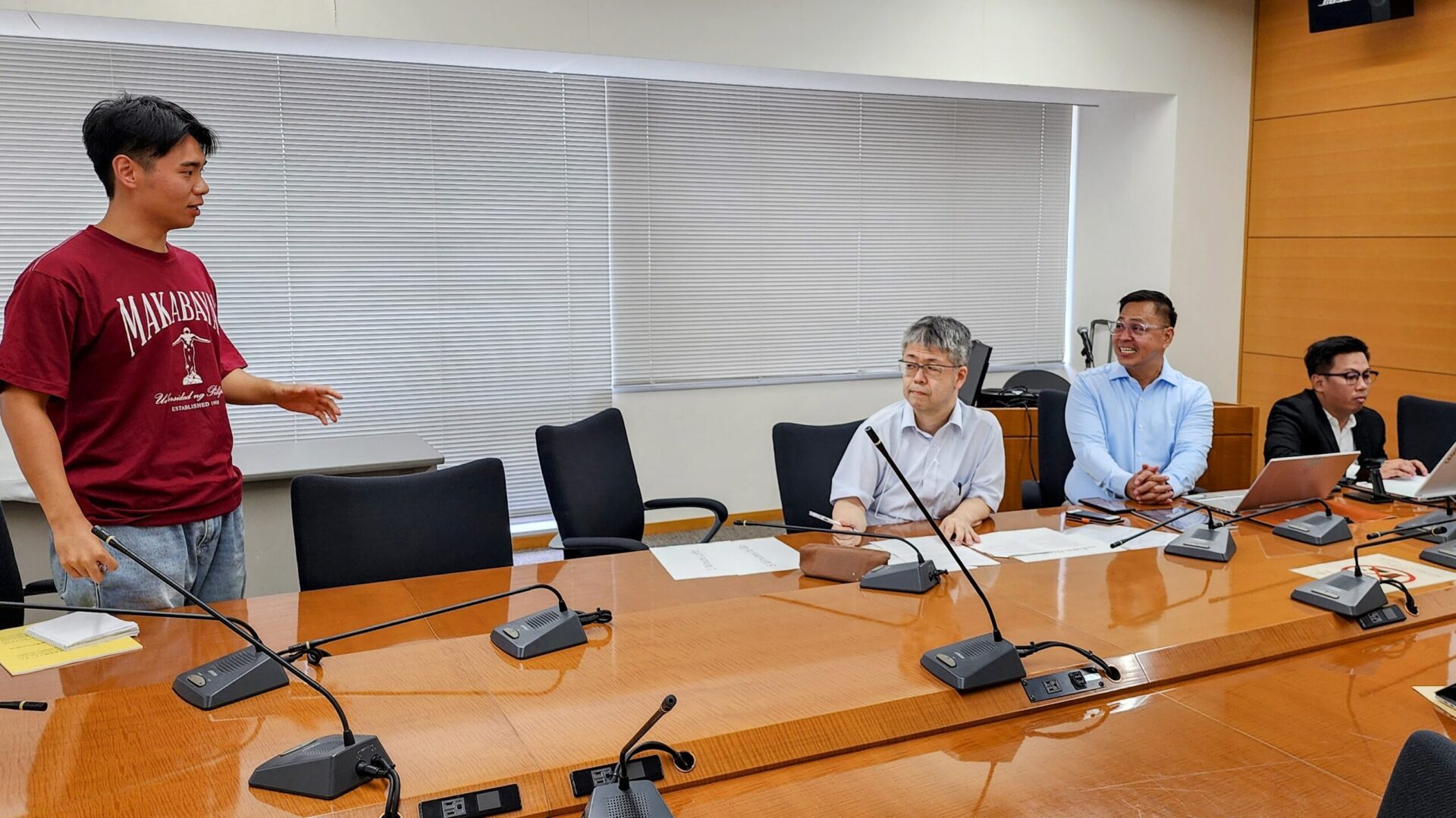
A Japanese participant shares how Lolo and the Kid moved him and his friends, connecting the Filipino film’s portrayal of respect for elders with values familiar in Japanese culture.
When the Conversation Came Back
One of the most memorable moments came not during my presentation, but during the discussion that followed.
A Japanese participant spoke about watching the Filipino film Lolo and the Kid on Netflix with his friends. He shared that the film had moved them to tears. What stayed with him was the relationship between the young boy and his grandfather, which he connected to the respect for elders that is also deeply familiar in Japanese culture.
The moment gave the conversation a concrete example of what I had been exploring in the presentation. A story can be deeply rooted in one culture and still resonate elsewhere, not because audiences share exactly the same experiences, but because they can recognize something meaningful through their own cultural lens.
For me, that exchange captured what culturally intelligent storytelling is ultimately about. Stories do not need to erase cultural difference to travel. Sometimes, it is through those differences, and the points of recognition within them, that connection becomes possible.