Why Filipino Nurses Wait for One Another: Cultural Intelligence in Healthcare Teams
By
Ned LEGASPI
HEALTHCARE & CULTURAL INTELLIGENCE
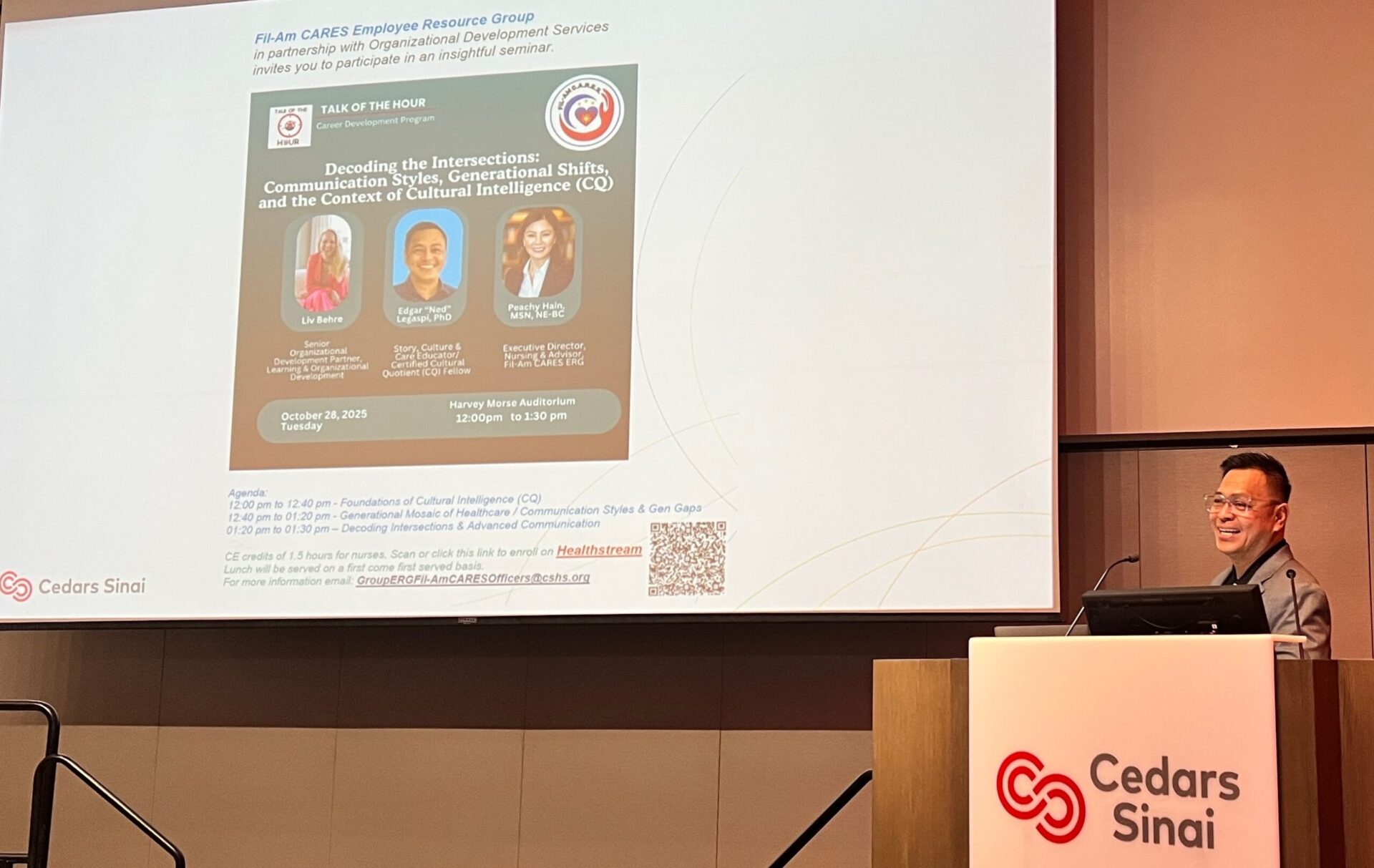
At Cedars-Sinai in Los Angeles, Ned Legaspi explored how Cultural Intelligence can help healthcare professionals understand the cultural meanings behind everyday workplace behaviors.
The programme explored Cultural Intelligence, communication styles, generational shifts, and advanced communication in healthcare workplaces.
Some cultural differences in the workplace reveal themselves not in major conflicts, but in small, everyday moments.
Why do Filipino nurses often wait for one another before eating lunch? Why do they prefer to eat together rather than alone? Why might Filipina colleagues even walk to the restroom together?
To people from more individualistic cultural backgrounds, these behaviors can seem unusual. For many Filipinos, however, they are expressions of something deeper: relationships, belonging, companionship, and the importance of moving through the workday as part of a group.
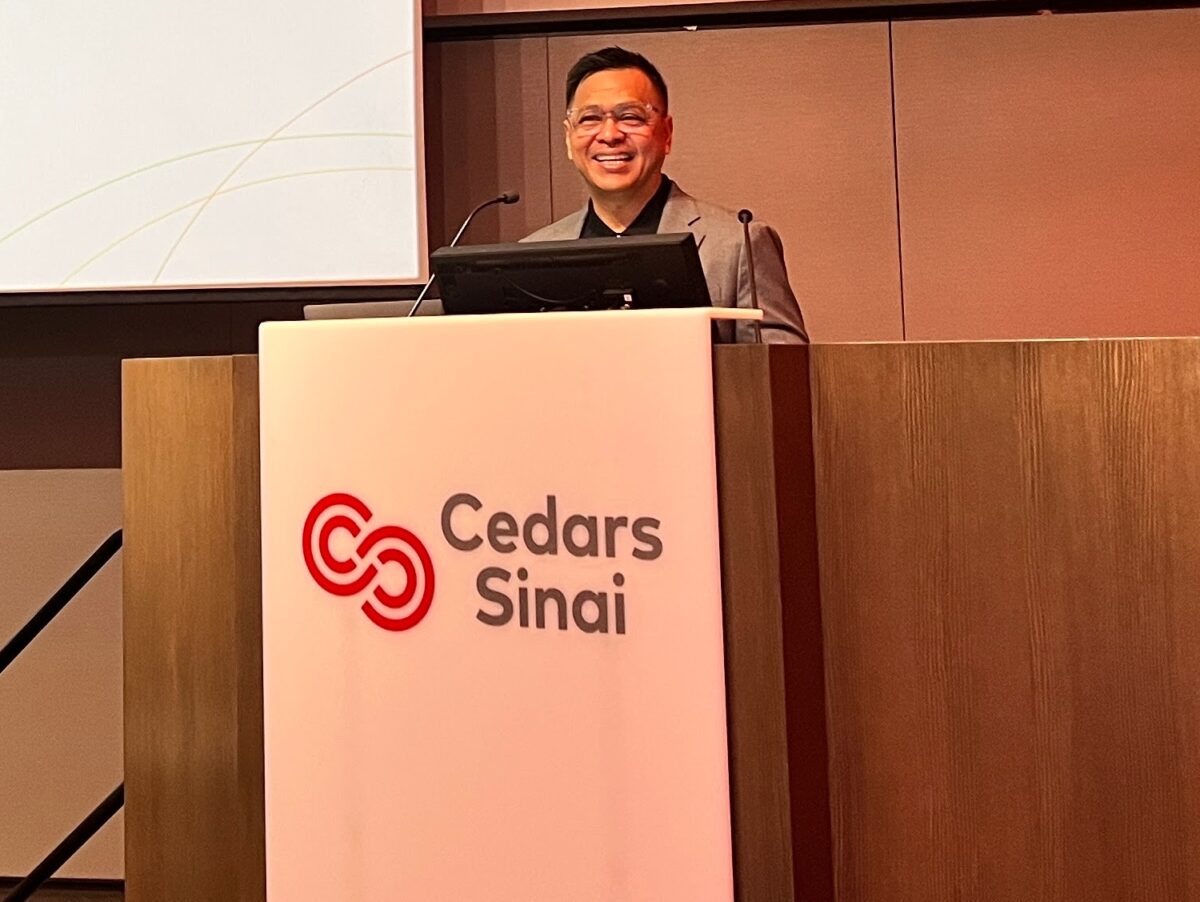
These were among the everyday cultural encounters I explored during a session on Cultural Intelligence for healthcare professionals at Cedars-Sinai Medical Center in Los Angeles.
The session was part of Talk of the Hour, a career development program organised by the Fil-Am CARES Employee Resource Group in partnership with Organizational Development Services. The seminar, Decoding the Intersections: Communication Styles, Generational Shifts, and the Context of Cultural Intelligence (CQ), brought together perspectives on cultural intelligence, communication styles, generational differences, and advanced communication.
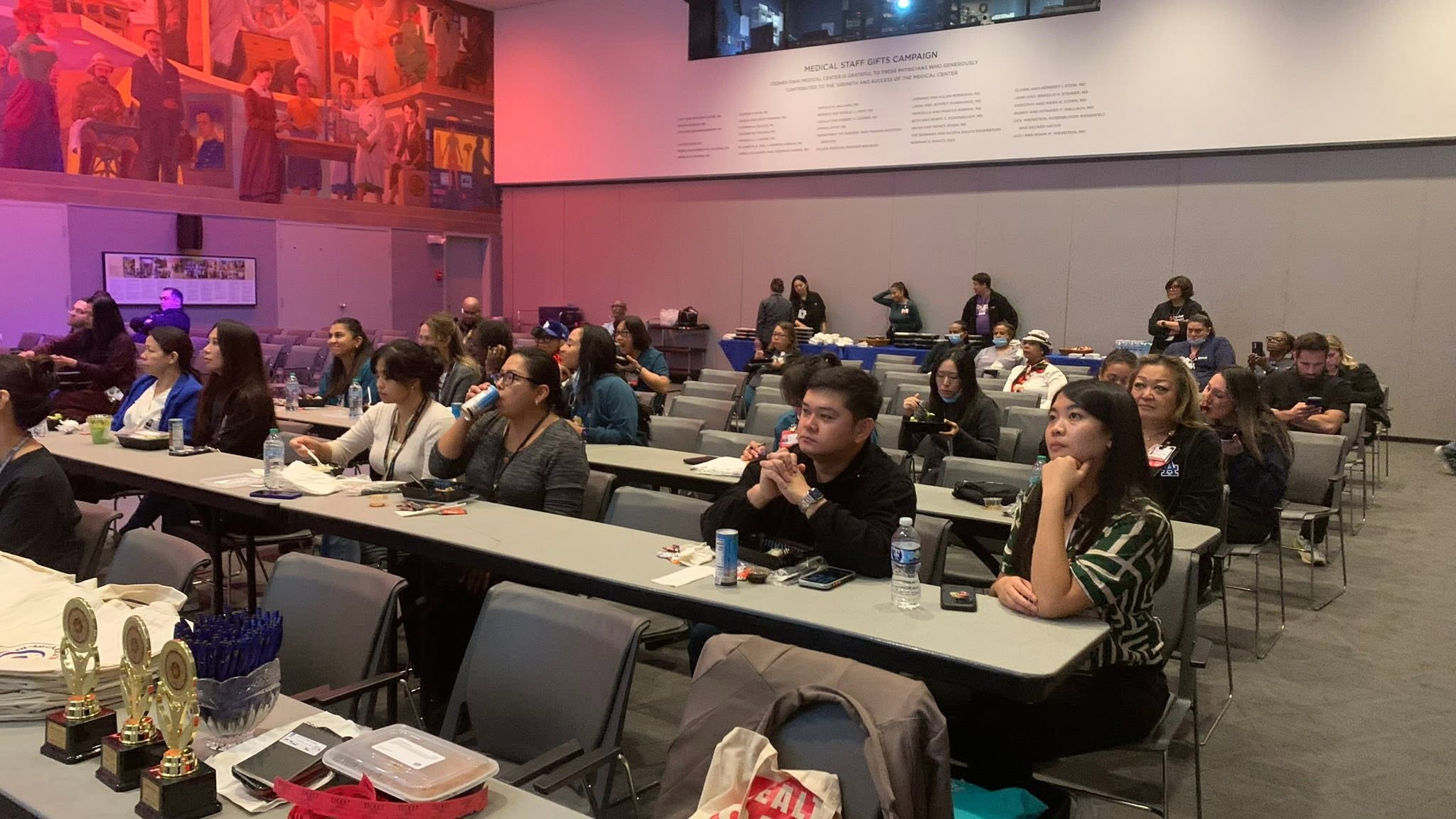
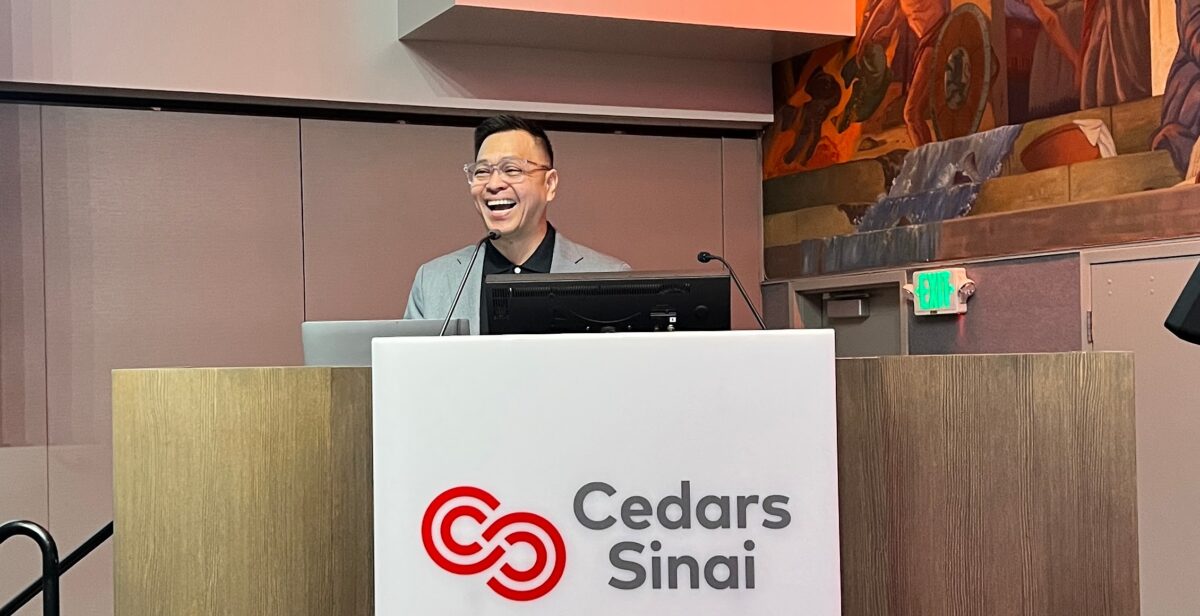
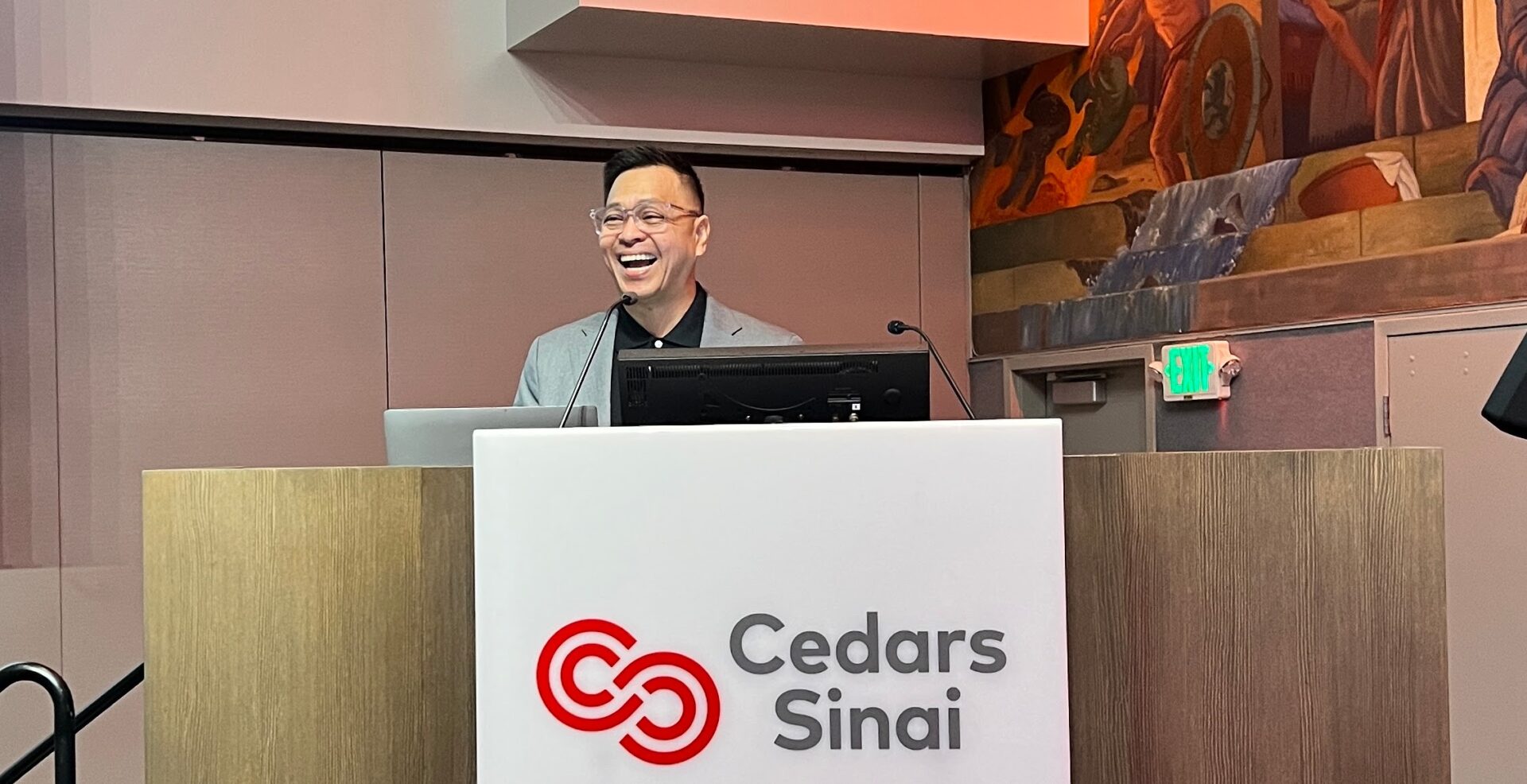
Healthcare professionals participate in a session on Cultural Intelligence, communication styles, and generational differences.
My contribution focused on the foundations of Cultural Intelligence and how culture influences the ways people communicate, build relationships, interpret behaviour, and work with others.
Healthcare teams are among the most culturally diverse workplaces in the world. Nurses, physicians, allied health professionals, administrators, patients, and families may bring different expectations about hierarchy, communication, disagreement, teamwork, time, and relationships.
The challenge is that culture is often invisible.
We notice the behaviour, but we do not always understand the cultural logic behind it.
A colleague who waits for the entire group before eating may not simply be indecisive. A team member who avoids openly disagreeing with a senior colleague may not lack an opinion. A healthcare professional who invests time in relationships before discussing a difficult matter may not be avoiding the task.
Cultural Intelligence invites us to become curious before becoming judgmental.
It asks us to examine our assumptions, understand the cultural contexts of others, and adapt our behaviour without abandoning who we are.
For healthcare professionals, this matters not only in patient care. It also matters in the relationships among the people providing that care.
When culturally diverse teams learn to recognise the meanings behind everyday behaviour, difference becomes less mysterious. Communication becomes more intentional. And teams become better equipped to work across the cultural boundaries that are already present in the room.
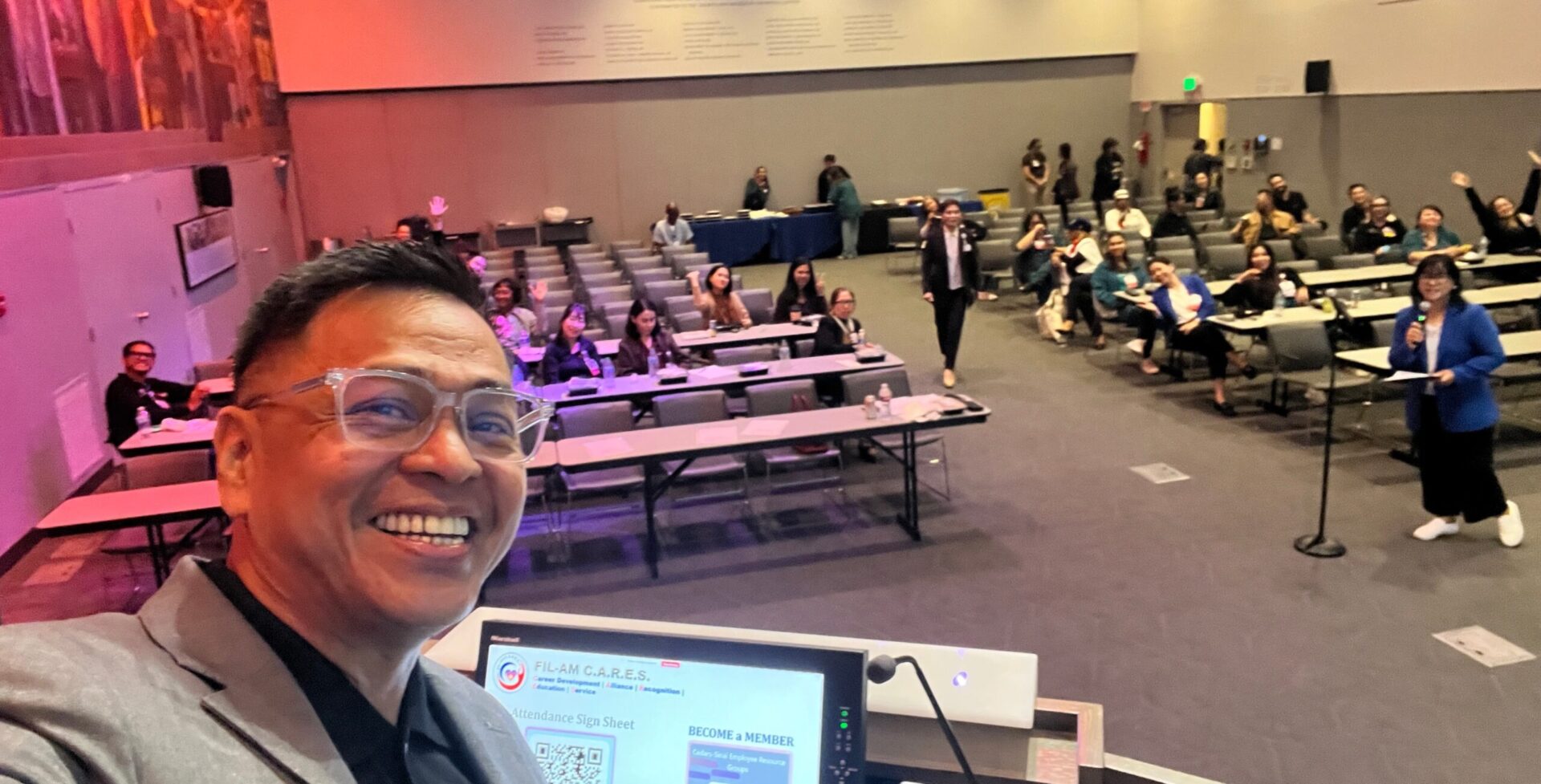
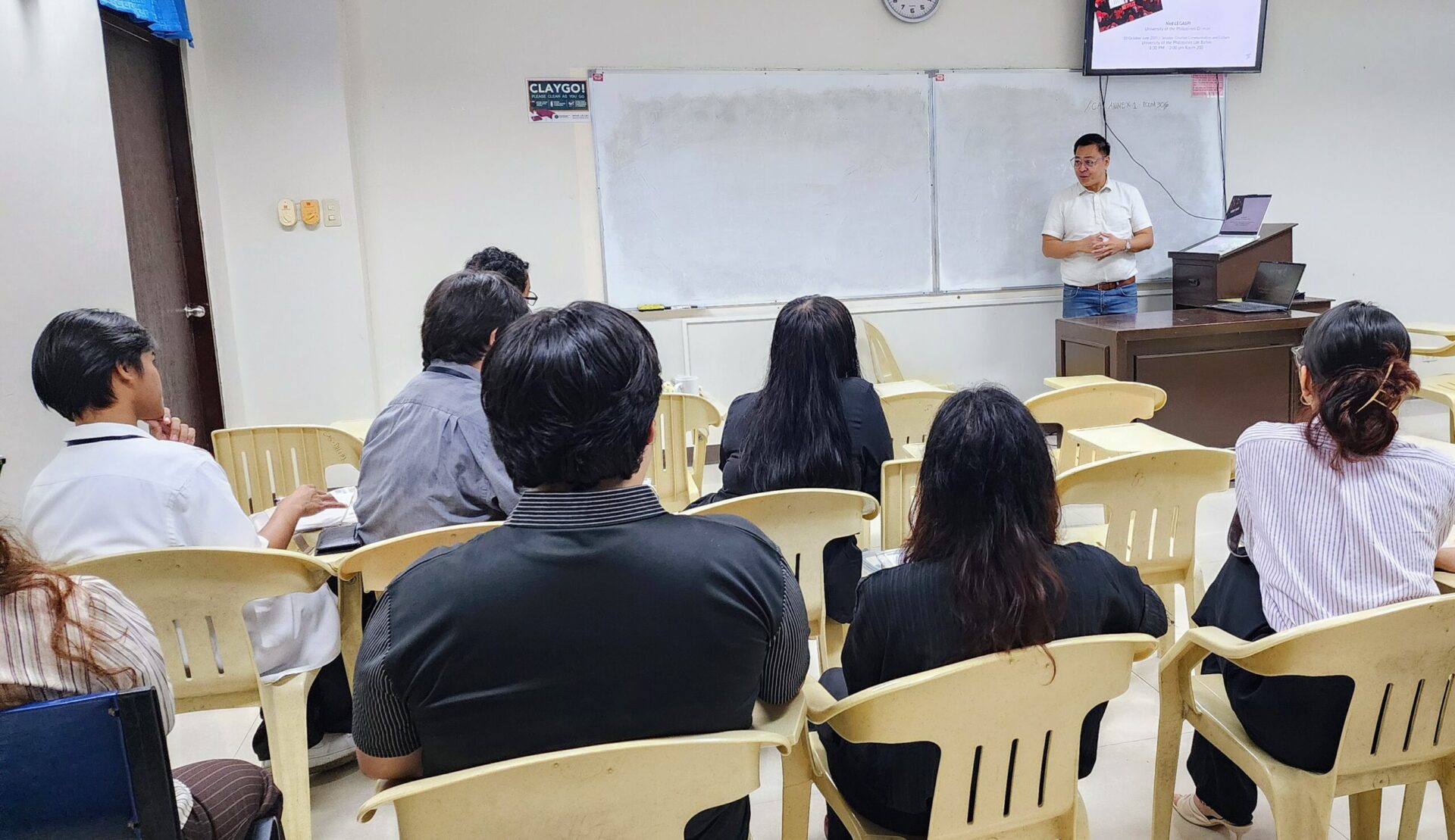
A moment with participants following the discussion on culture, communication, and teamwork in healthcare.
About the Session
Decoding the Intersections: Communication Styles, Generational Shifts, and the Context of Cultural Intelligence (CQ) was presented as part of the Talk of the Hour Career Development Program.
The programme brought together Cultural Intelligence, generational perspectives, communication styles, and advanced communication in the context of healthcare workplaces. Ned Legaspi contributed the segment on the foundations of Cultural Intelligence and its relevance to culturally diverse professional teams.
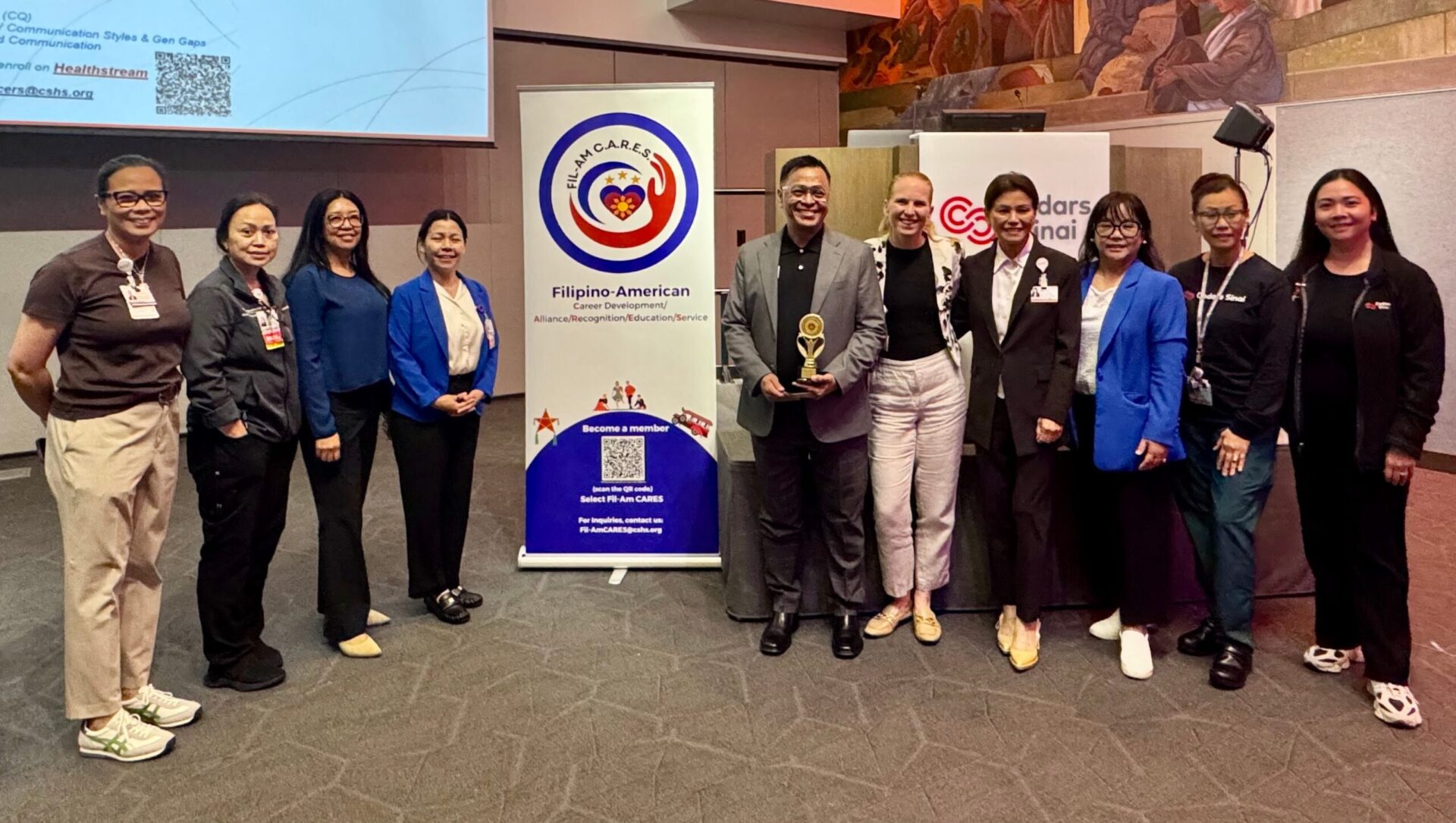
Ned Legaspi with members of the Fil-Am CARES Employee Resource Group following his Cultural Intelligence session at Cedars-Sinai. With special thanks to Janeth Zafra-Mauricio, whose invitation made the session possible.
Engagement Details
Engagement: Talk of the Hour Career Development Program Session: Decoding the Intersections: Communication Styles, Generational Shifts, and the Context of Cultural Intelligence (CQ) Role: Speaker on the Foundations of Cultural Intelligence Host: Fil-Am CARES Employee Resource Group, in partnership with Organizational Development Services Venue: Harvey Morse Auditorium, Cedars-Sinai Medical Center Location: Los Angeles, California, USA Date: October 28, 2025 Audience: Healthcare professionals and members of the Cedars-Sinai community Focus: Cultural Intelligence, cross-cultural communication, workplace behaviour, generational differences, and culturally diverse healthcare teams