About the Conference
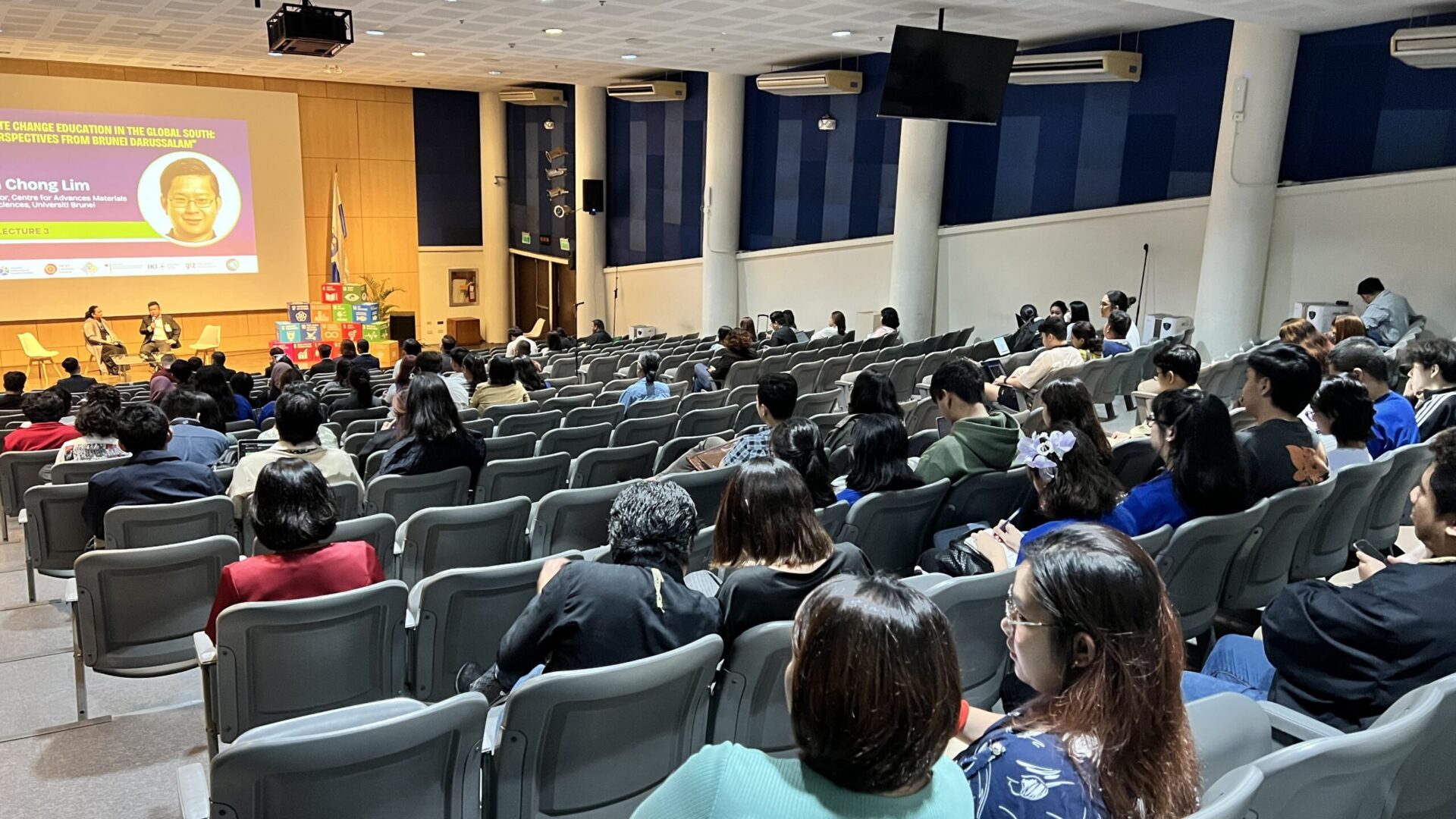
The 2025 AUN-EEC Conference on Ecological Education and Culture brought together educators, researchers, practitioners, and students to explore current responses and actions in climate change education.
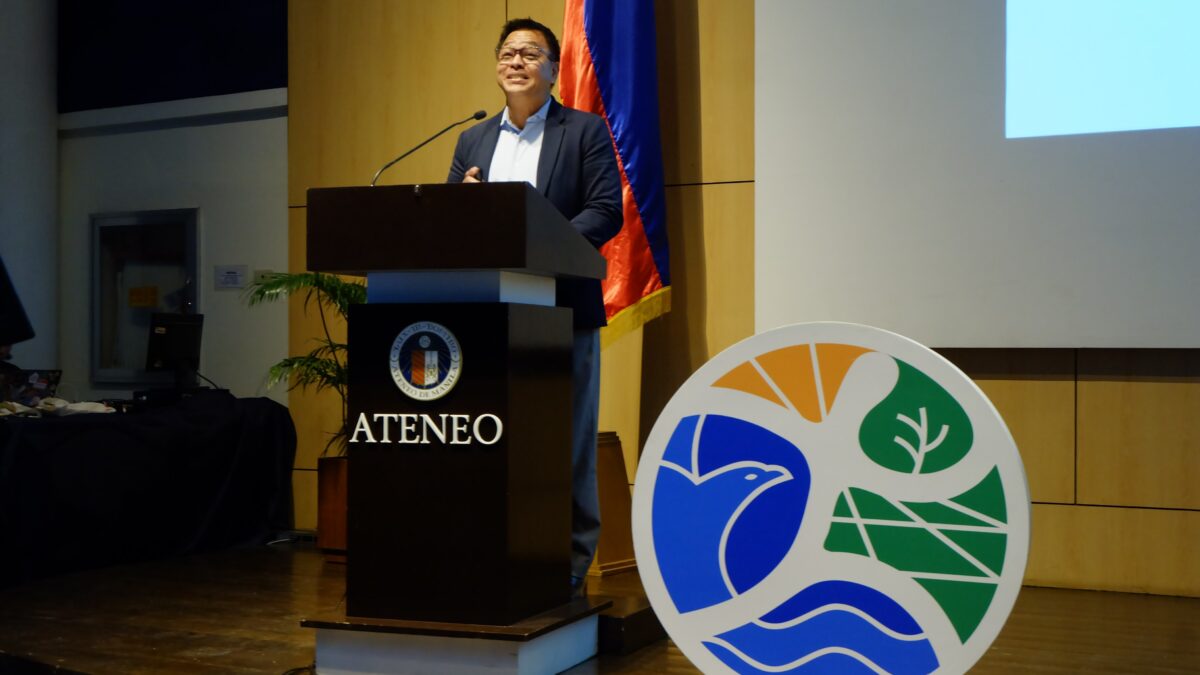
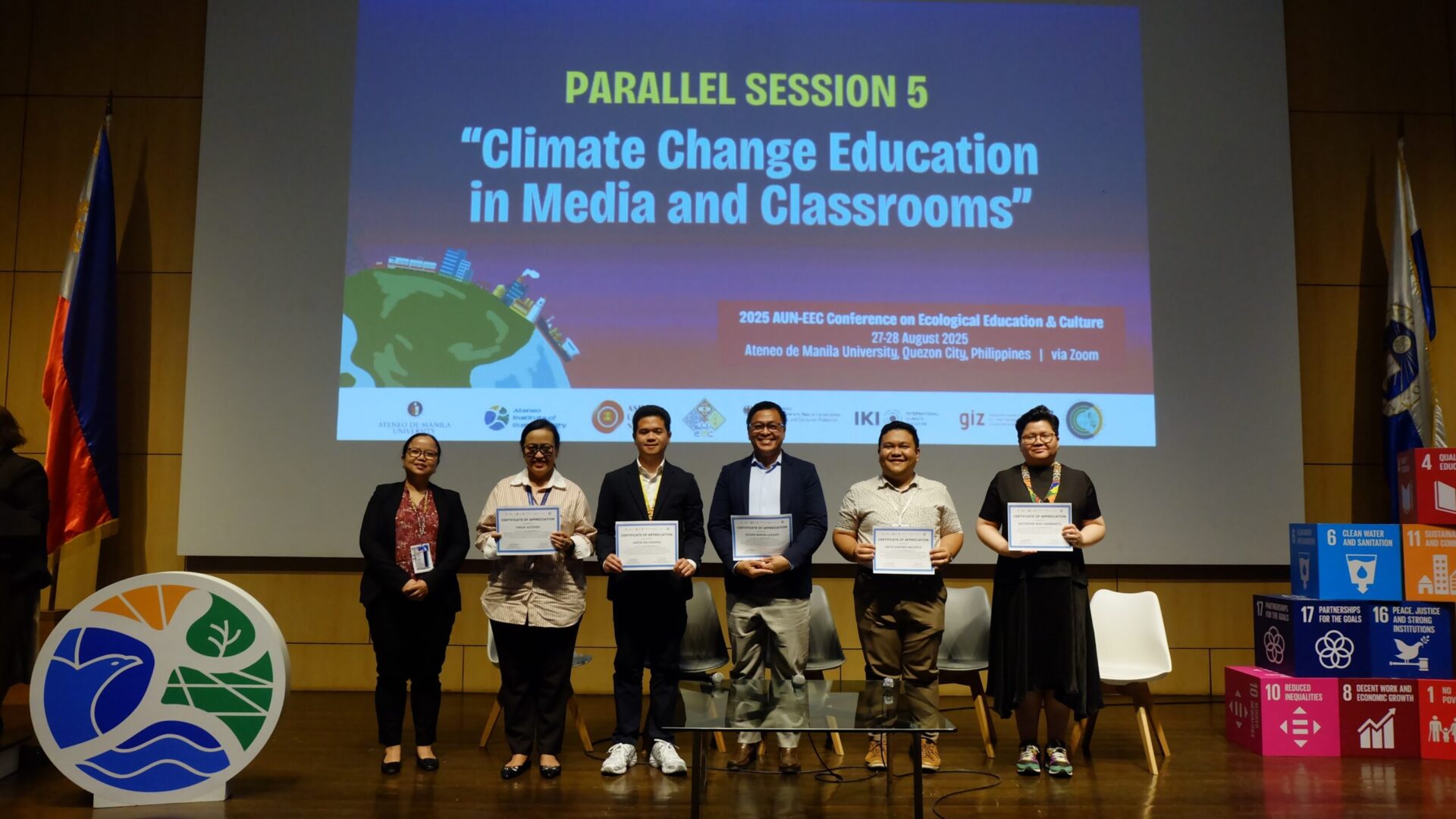
Held on August 27 and 28, 2025 at Ateneo de Manila University in Quezon City, Philippines, the conference examined how education, communication, culture, and interdisciplinary collaboration can contribute to more meaningful responses to the climate crisis.
I presented “Culturally Intelligent Storytelling in Climate Communication: A Southeast Asian Lens on Resonance, Care, and Representation” as part of the parallel session on Climate Change Education in Media and Classrooms.
The presentation explored a question that has become increasingly important to my work: How can climate stories connect with people whose cultural values, lived experiences, and relationships with community and place may be different?
Engagement Details
Event: 2025 AUN-EEC Conference on Ecological Education and Culture
Dates: August 27 to 28, 2025
Venue: Ateneo de Manila University, Quezon City, Philippines
Presentation: Culturally Intelligent Storytelling in Climate Communication: A Southeast Asian Lens on Resonance, Care, and Representation
Session: Parallel Session 5, Climate Change Education in Media and Classrooms
Format: Conference Presentation
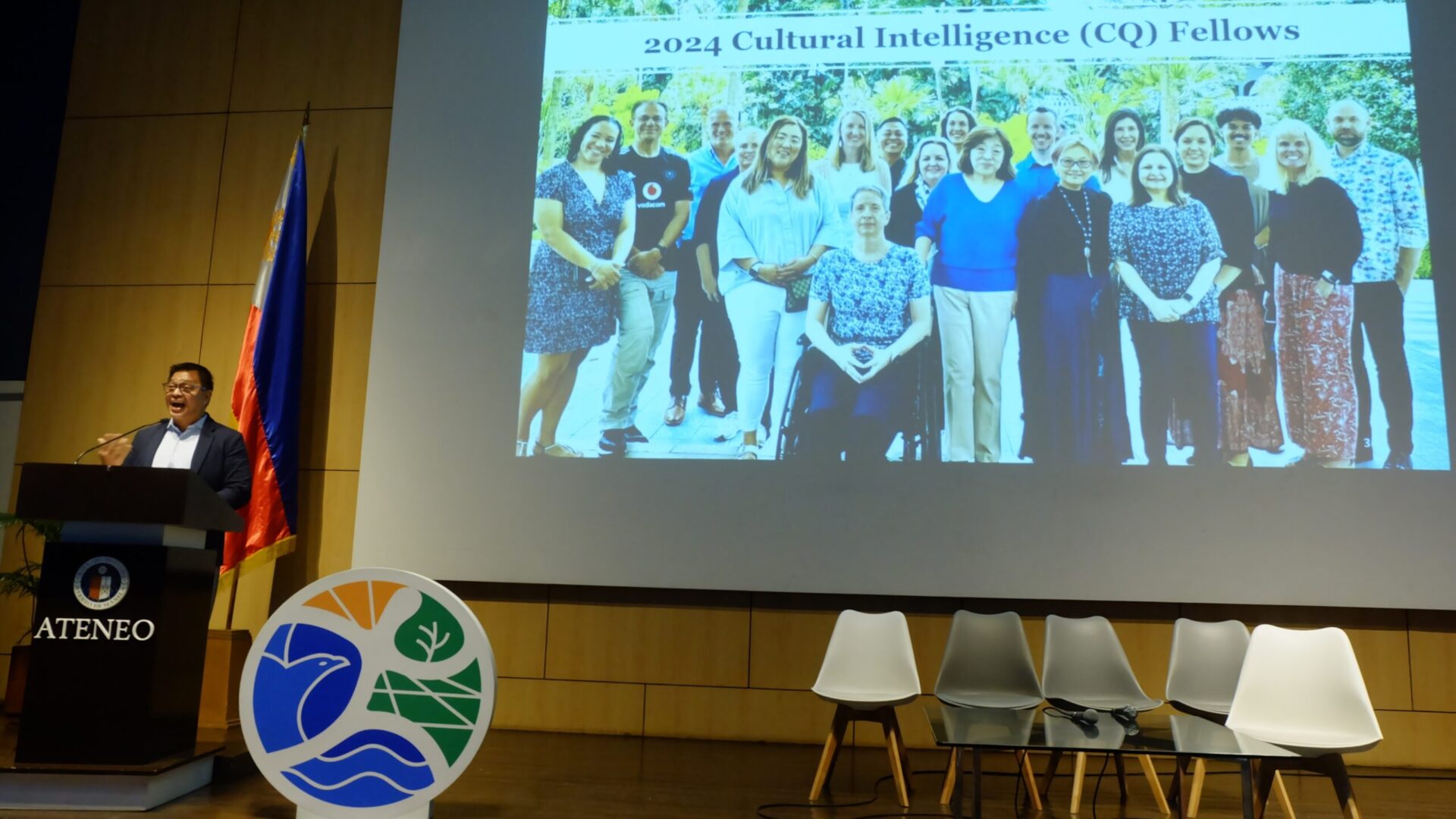
When Stories Meet Climate Science
Climate change is a global problem, but people do not experience it in exactly the same way.
A coastal community, an urban household, a farming family, and a young person growing up in a rapidly changing city may all understand climate risk through different experiences, relationships, responsibilities, and cultural frames.
This creates an important challenge for communicators.
Scientific accuracy is essential. But information alone does not always lead to attention, identification, or action. The way climate change is narrated also matters.
My presentation at the AUN-EEC Conference explored how culturally intelligent storytelling can contribute to climate communication, particularly in Southeast Asia.
I shared how cultural values can shape the way audiences interpret ideas such as responsibility, sacrifice, care, authority, community, and the future. A message built around individual action, for example, may be understood differently in a context where decisions are strongly shaped by family and community relationships.
The question, then, is not simply how to make climate communication more emotional or more entertaining.
The deeper question is: How do we tell climate stories that people can recognize themselves in without simplifying either the science or the culture?
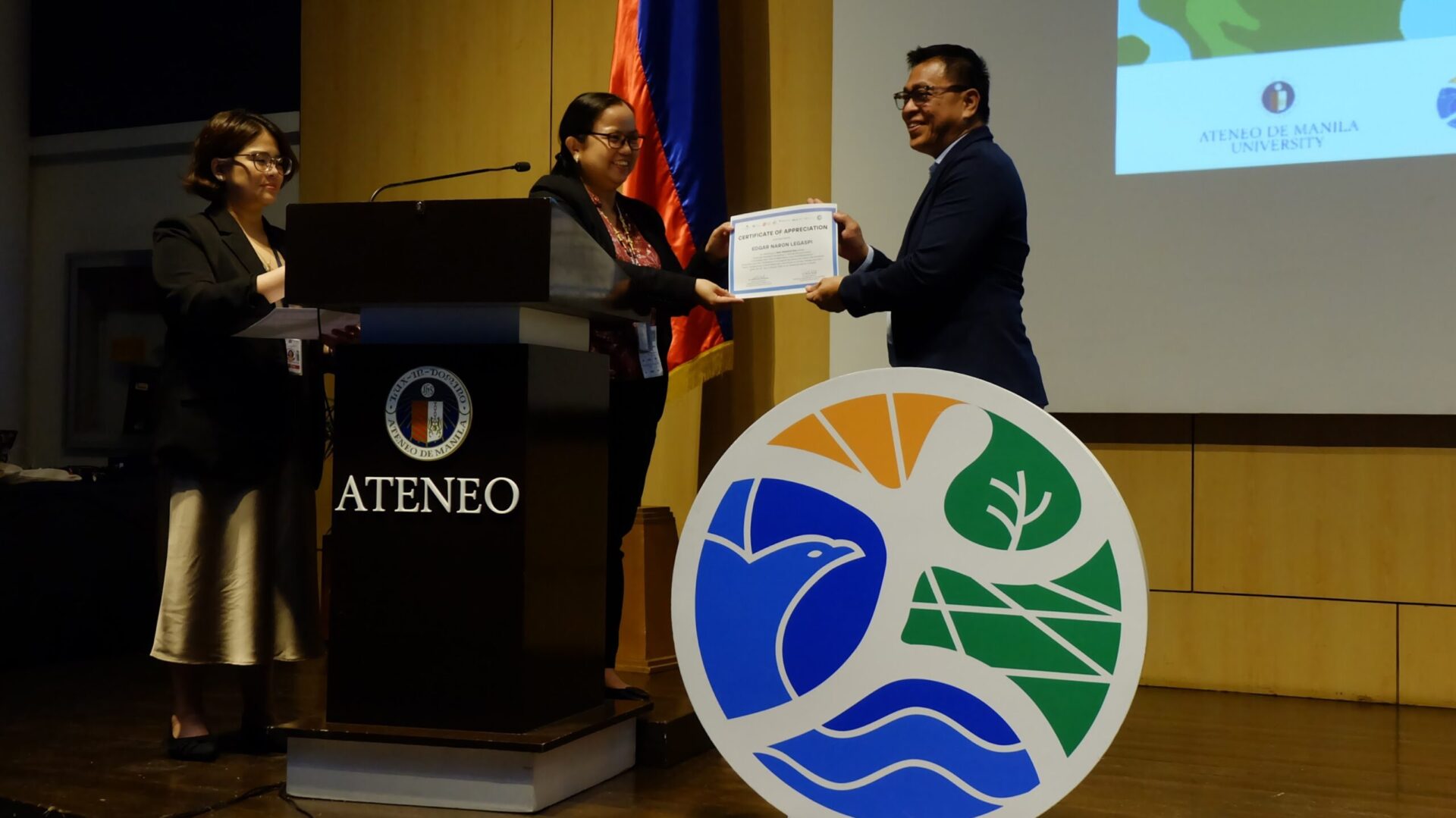
From Audience to Relationship
One idea I brought into the discussion was the importance of moving beyond the idea of the audience as a passive receiver of information.
Stories enter existing worlds of meaning.
People already have ways of understanding responsibility, nature, family, authority, risk, and the future. Climate communication becomes more meaningful when we understand those cultural contexts rather than assuming that the same narrative frame will resonate everywhere.
This is where I see a role for culturally intelligent storytelling.
It asks communicators to remain attentive to cultural context while making deliberate choices about narrative, character, emotion, and audience connection.
For climate communication, this can mean asking different questions.
Who is expected to act in this story? Who carries responsibility? Is the future imagined individually or collectively? Whose knowledge is considered credible? What relationships are audiences being asked to protect?
These are storytelling questions, but they are also cultural questions.
Expanding the Conversation
Presenting at the AUN-EEC Conference allowed me to bring the CIS Bamboo Framework into a conversation beyond its original context of film, television, and streaming media.
That mattered to me.
The framework began with questions about how stories travel across cultures. But the same questions become relevant wherever people use stories to make complex ideas understandable and meaningful.
Climate communication is one such space.
The conference reminded me that culturally intelligent storytelling is not only about helping a film or series travel across borders. It can also help us think more carefully about how we communicate issues that already cross every border.
The challenge is not merely to tell more stories about climate change.
It is to understand the people we hope those stories will reach.