Reclaiming Story, Restoring Care at the 2025 PSS International Conference
By
Ned LEGASPI
CONFERENCE PRESENTATION – DAVAO, PHILIPPINES
At the 2025 Philippine Sociological Society International Conference in Davao City, Ned Legaspi presented a paper examining cultural representation as a form of care. Drawing on the Culturally Intelligent Storytelling framework, the presentation explored how culturally grounded storytelling can resist misrepresentation, restore dignity, and contribute to healing across Southeast Asia.
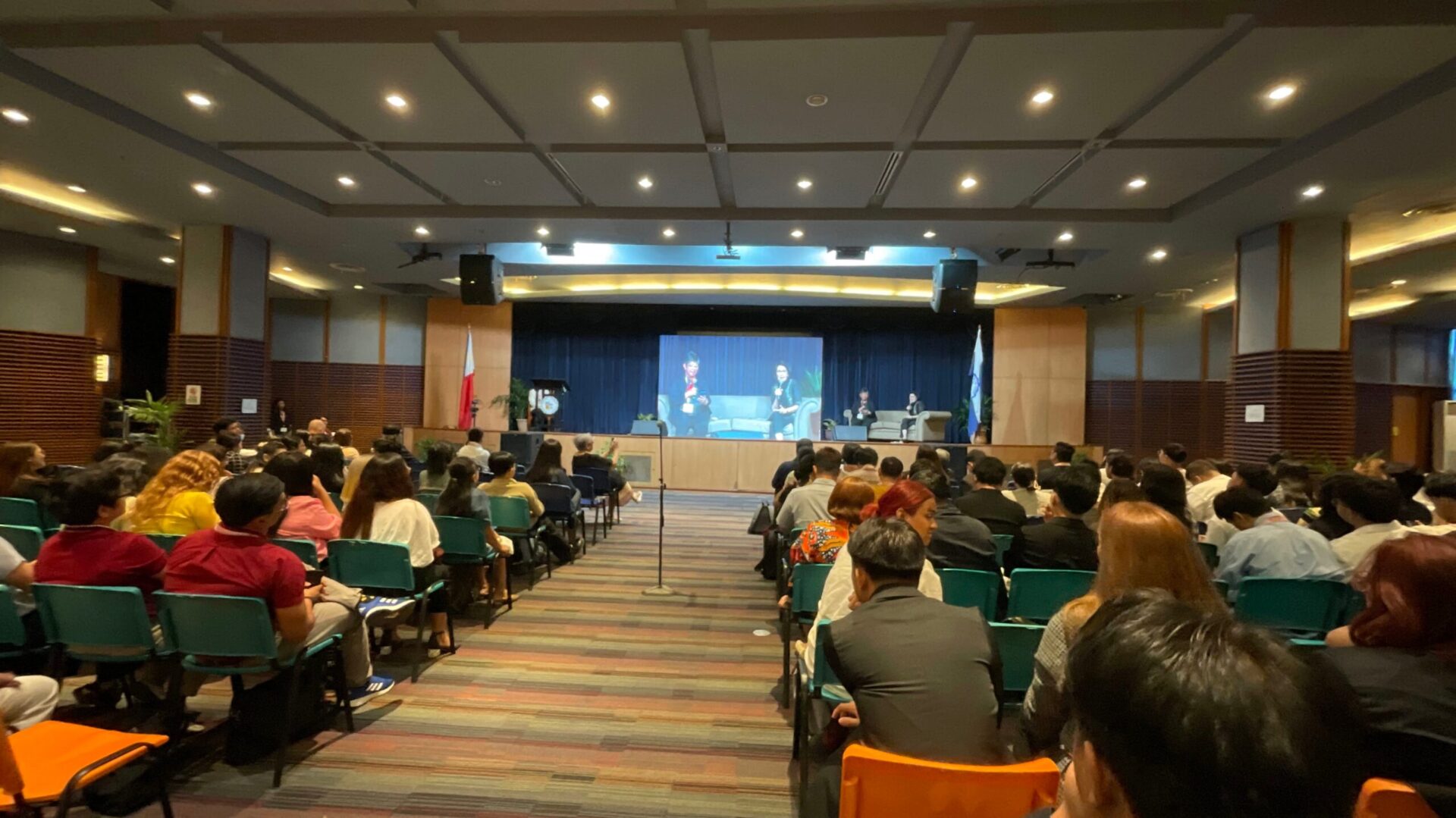
The 2025 Philippine Sociological Society International Conference brought together scholars around questions of crisis, care, and alternative futures.
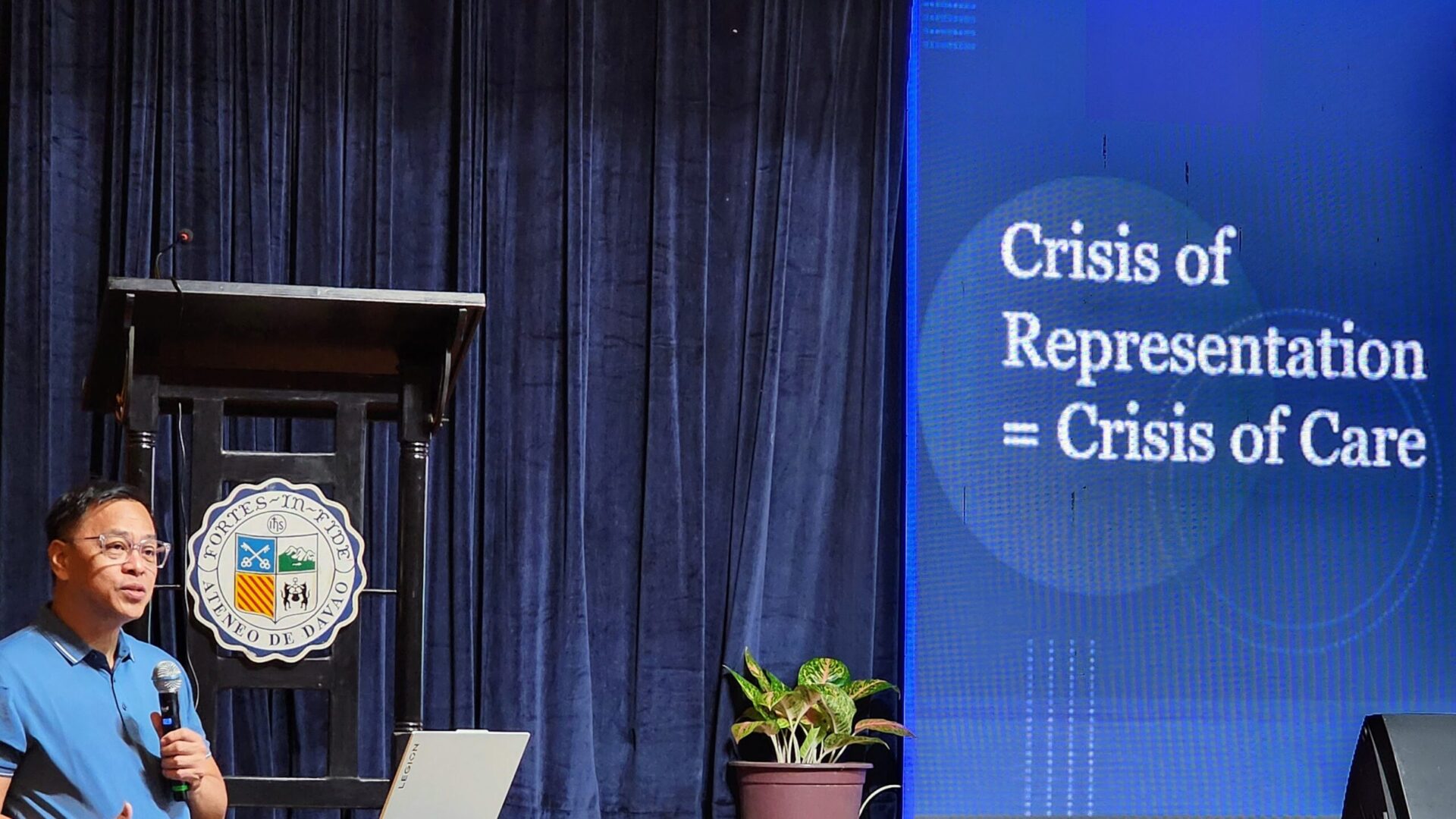
A crisis of representation is also a crisis of care.
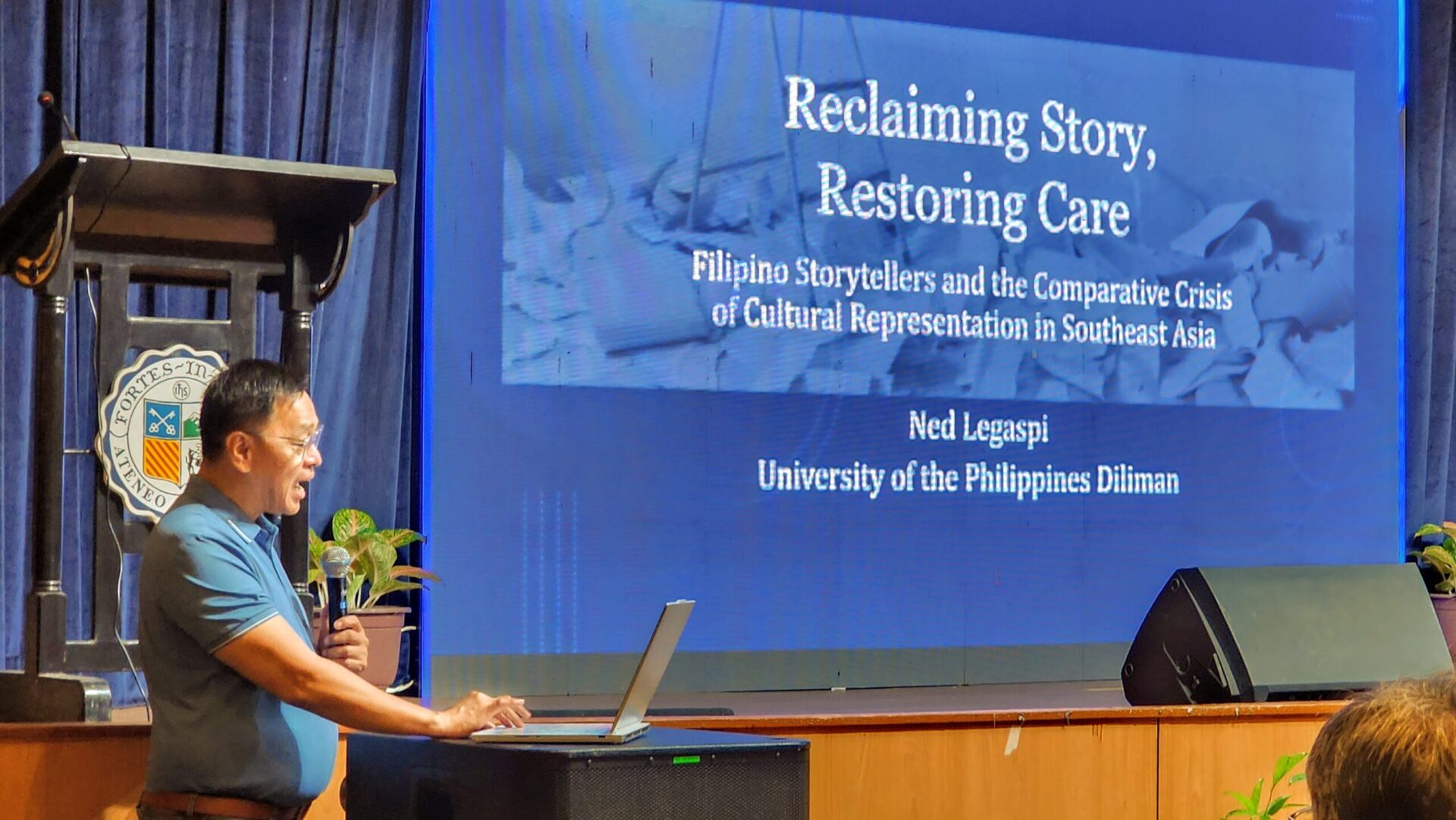
On October 1, 2025, I presented my paper, “Reclaiming Story, Restoring Care: Filipino Storytellers and the Comparative Crisis of Cultural Representation in Southeast Asia,” at the 2025 Philippine Sociological Society International Conference at Ateneo de Davao University.
The presentation began with a proposition:
A crisis of representation is also a crisis of care.
When communities are repeatedly misrepresented, stereotyped, erased, or spoken for by others, the consequences extend beyond media and storytelling. Representation shapes how people and cultures are seen, valued, remembered, and understood.
I argued that storytelling can therefore become a practice of care.
Drawing on the Culturally Intelligent Storytelling framework, the paper examined how Filipino storytellers reclaim narratives in response to histories of marginalization, narrative erasure, and cultural misrepresentation. It also situated these efforts alongside storytelling practices from other parts of Southeast Asia, including Thailand, Indonesia, and Vietnam. This comparative regional dimension is central to the published abstract.
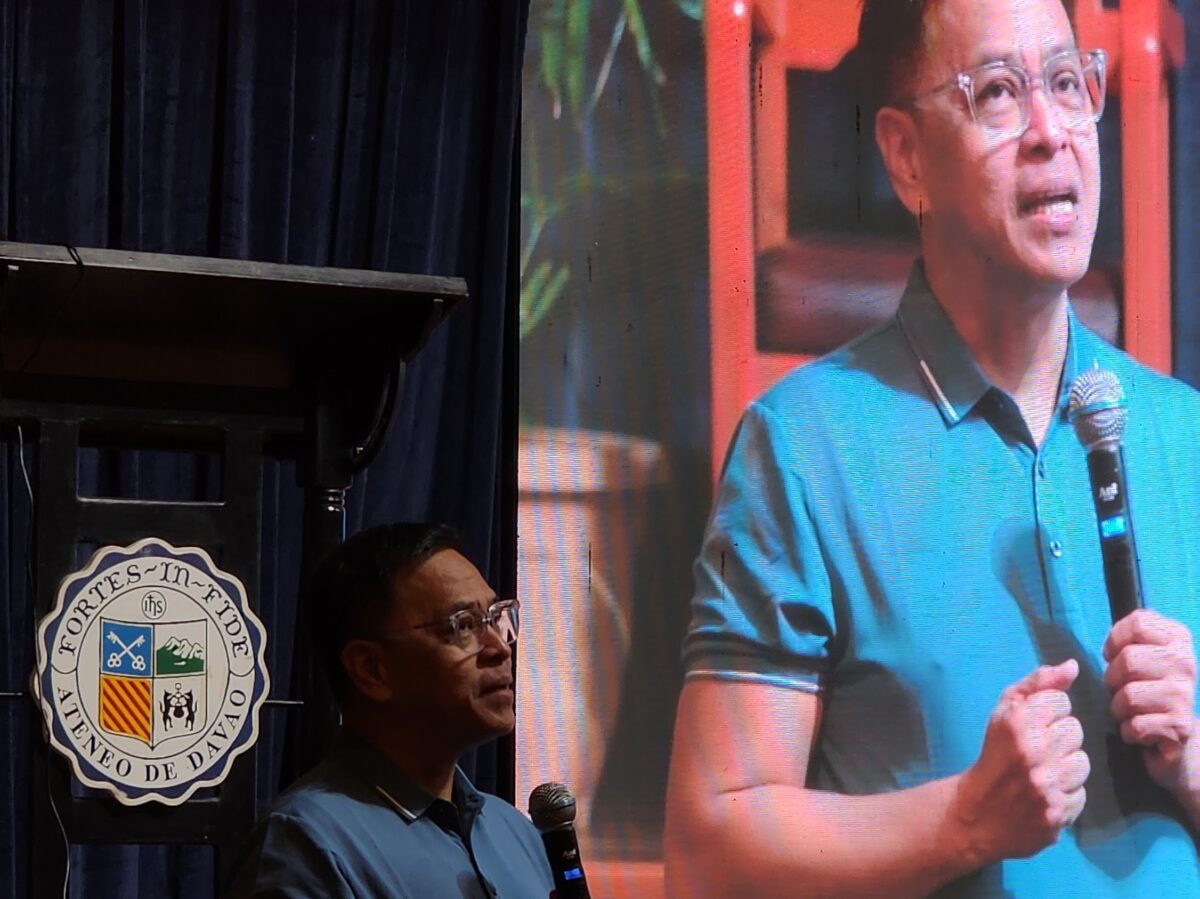
Ned Legaspi presents his paper on Filipino storytellers, cultural representation, and care in Southeast Asia.
The central question was not simply how Southeast Asian stories can travel farther. It was also: Who gets to tell the story, from whose cultural position, and with what responsibility toward the people and communities being represented?
From this perspective, culturally grounded storytelling can do more than improve representation. It can protect cultural memory, affirm identity, restore dignity, and challenge narratives imposed by colonial and global forces.
In this sense, care is not passive. Storytelling as care can also become a form of resistance: resistance to erasure, simplification, stereotyping, and the loss of narrative agency.
For me, the presentation opened another way of thinking about culturally intelligent storytelling. Stories do not only cross borders. They also carry identities, memories, histories, and relationships across those borders.
How we tell them, and how we care for the people inside them, matters.
Ned Legaspi discusses the relationship between cultural representation and care at the 2025 Philippine Sociological Society International Conference.
About The Conference
The 2025 Philippine Sociological Society International Conference brought together scholars and practitioners around the theme “Sociology of Crisis and Care: Navigating Tensions, Charting Alternatives.”
The conference examined the relationship between overlapping crises and different forms of care, including solidarity, resistance, collective action, and the creation of alternative futures.
My paper was part of the panel “Global, Transnational, and Local Perspectives on Filipino Care.” The panel brought together research on environmental vulnerability, transnational care labor, healthcare inequalities, and cultural representation. Its framing emphasized the complexity and multidimensionality of care across local, transnational, and global contexts.
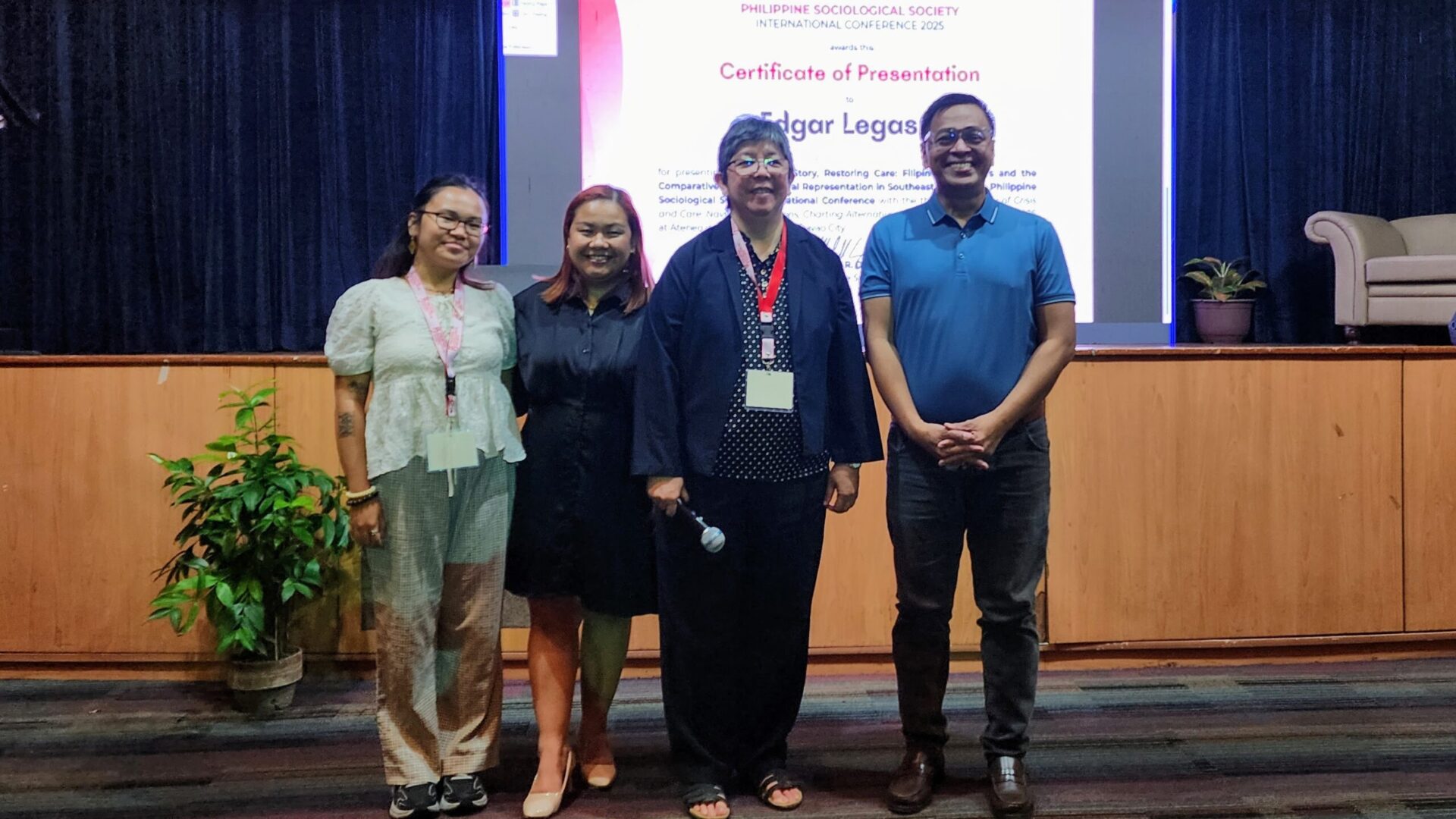
After the presentation of “Reclaiming Story, Restoring Care” at the 2025 PSS International Conference.
Engagement Details
Event: 2025 Philippine Sociological Society International Conference Conference Theme: Sociology of Crisis and Care: Navigating Tensions, Charting Alternatives Presentation: Reclaiming Story, Restoring Care: Filipino Storytellers and the Comparative Crisis of Cultural Representation in Southeast Asia Panel: Global, Transnational, and Local Perspectives on Filipino Care Date: October 1, 2025 Venue: Finster Hall Auditorium, Ateneo de Davao University Location: Davao City, Philippines Role: Paper Presenter
The official program identifies the presentation as part of Panel 7, scheduled from 1:00 PM to 2:30 PM on Day 1.