
Share This Story
Small workplace habits can reveal how deeply culture shapes belonging, hierarchy, communication, and teamwork.
Some cultural differences in the workplace reveal themselves not through major conflict, but in small, everyday moments.
Why do Filipino nurses often wait for one another before eating lunch?
Why do they prefer to eat together rather than alone?
Why might Filipina colleagues even walk to the restroom together?
To people from more individualistic cultural backgrounds, these behaviors may seem unusual. For many Filipinos, however, they can express something deeper: relationship, belonging, companionship, and the importance of moving through the workday as part of a group.
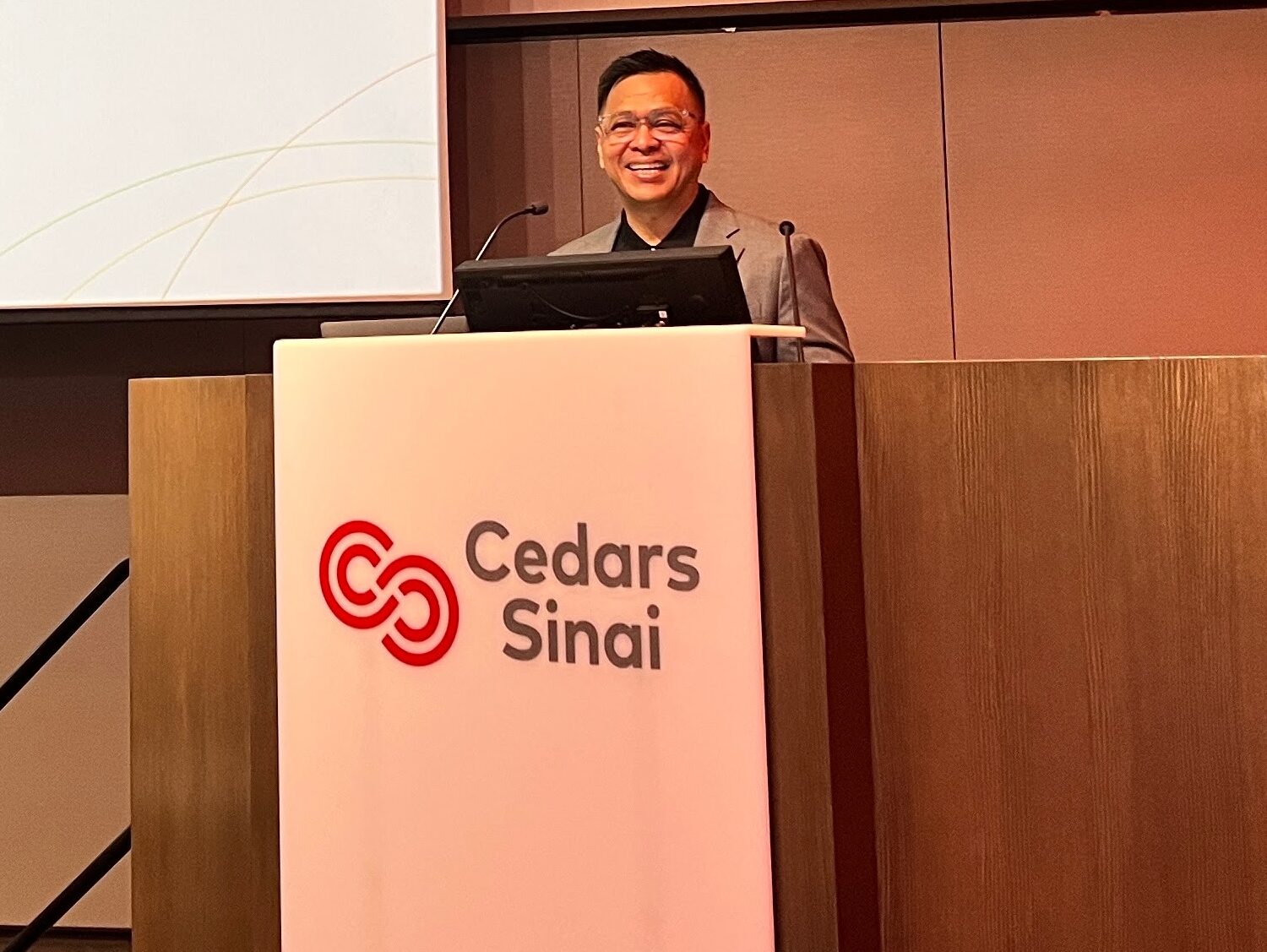
These were among the everyday cultural encounters I explored during a session on cultural intelligence for healthcare professionals at Cedars-Sinai Medical Center in Los Angeles.
Culture often hides beneath behavior
Healthcare teams are among the most culturally diverse workplaces in the world. Nurses, physicians, allied health professionals, administrators, patients, and families may bring different expectations about hierarchy, communication, disagreement, teamwork, time, and relationships.
The challenge is that culture is often invisible. We notice the behavior, but we do not always understand the cultural logic behind it.
We notice the behavior, but we do not always understand the cultural logic behind it.
The interpretive challenge
A colleague who waits for the entire group before eating may not simply be indecisive. A team member who avoids openly disagreeing with a senior colleague may not lack an opinion. A healthcare professional who invests time in relationships before discussing a difficult matter may not be avoiding the task.
What looks inefficient, indirect, hesitant, or overly social from one cultural perspective may carry a different meaning from another. It may be a way of preserving harmony, showing respect, strengthening trust, or affirming membership in the group.
From judgment to cultural curiosity
Cultural intelligence begins by slowing down the impulse to judge behavior too quickly. Instead of asking only, “Why are they doing that?” we can ask, “What cultural value or expectation might make this behavior meaningful?”
This does not mean every behavior must be accepted without question. Healthcare teams still need clear standards, safe practices, accountability, and effective communication. Cultural intelligence does not remove those expectations. It helps teams understand how people may approach them differently.
That shift matters because culturally diverse teams do not become effective simply by bringing different people into the same workplace. They become effective when people learn how to interpret difference, communicate across it, and build trust without assuming that their own habits are the only reasonable ones.
Why this matters in healthcare
In healthcare settings, small misunderstandings can affect teamwork, confidence, participation, and patient care. Differences in how people speak to authority, raise concerns, request help, give feedback, or handle disagreement can shape whether important information moves freely through a team.
A culturally intelligent team becomes better at noticing these differences before they harden into frustration or stereotype. It creates more space for questions, clarification, and adaptation.
The goal is not to reduce people to national or cultural labels. Filipino nurses are not all the same, just as no cultural group is internally uniform. Culture offers context, not a complete explanation of any individual.
But context matters. It helps us see that everyday workplace behavior may carry meanings that are easy to miss when we interpret everyone through our own cultural lens.
About the session
The session was part of Talk of the Hour, a career development program organized by the Fil-Am CARES Employee Resource Group in partnership with Organizational Development Services.
Titled Decoding the Intersections: Communication Styles, Generational Shifts, and the Context of Cultural Intelligence (CQ), the seminar brought together perspectives on cultural intelligence, communication styles, generational differences, and advanced communication in healthcare workplaces.
My contribution focused on the foundations of cultural intelligence and how culture influences the ways people communicate, build relationships, interpret behavior, and work with others.
Editorial disclosure: This article was developed from Ned Legaspi’s professional experience and revised for publication with AI-assisted editing. The ideas, interpretations, experiences, and final approval are the author’s.
Share This Story