The 15th Biennial Conference of the Asian Consumer and Family Economics Association brought together scholars and researchers from different countries to exchange ideas on consumer behavior, family economics, culture, identity, and other issues affecting people and societies across Asia and beyond.
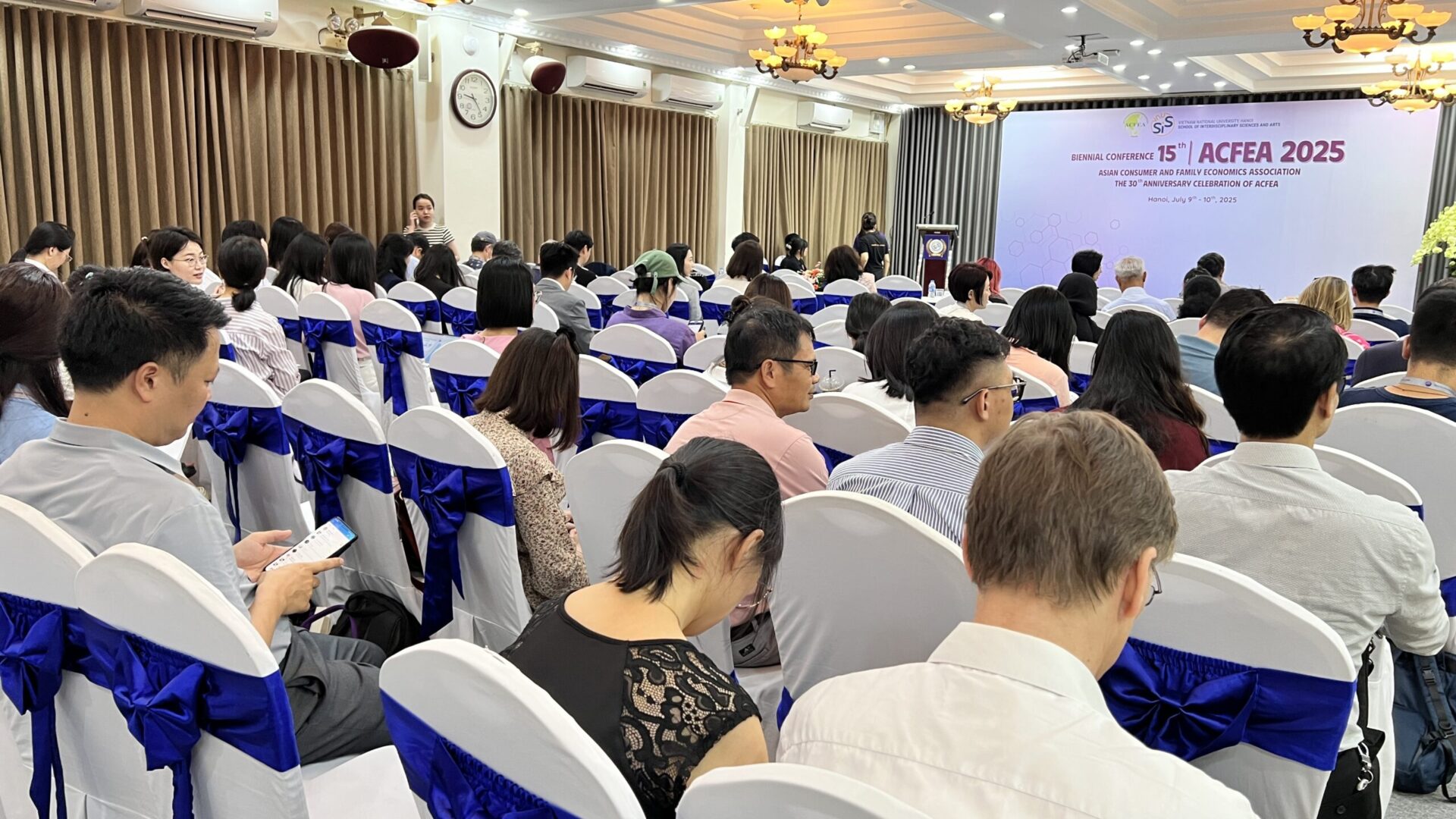
Held in Hanoi, Vietnam, the conference was a much larger gathering than the academic events I had previously attended. The scale was immediately visible in the number and diversity of participants, the multiple sessions, and the formal protocols surrounding the presentations. The event also received coverage on Vietnamese television, reflecting the visibility of the gathering within its host country.
Scholars and researchers from different countries gather for the 15th Biennial ACFEA Conference in Hanoi.
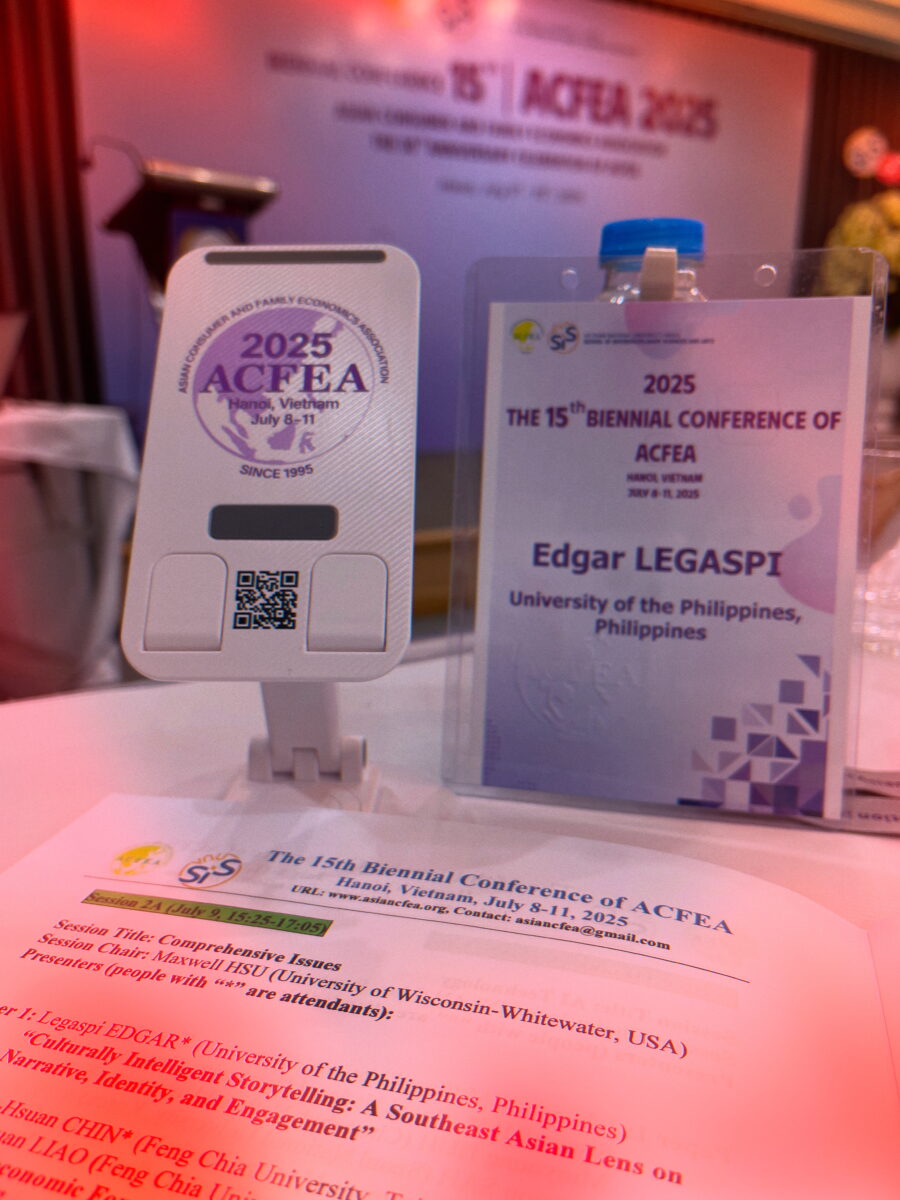
I presented “Culturally Intelligent Storytelling: A Southeast Asian Lens on Narrative, Identity, and Engagement.” The paper had been accepted into the official conference program following academic review.
The presentation explored a question at the heart of my continuing work: How can Southeast Asian stories remain culturally rooted while connecting meaningfully with audiences across different cultural contexts?
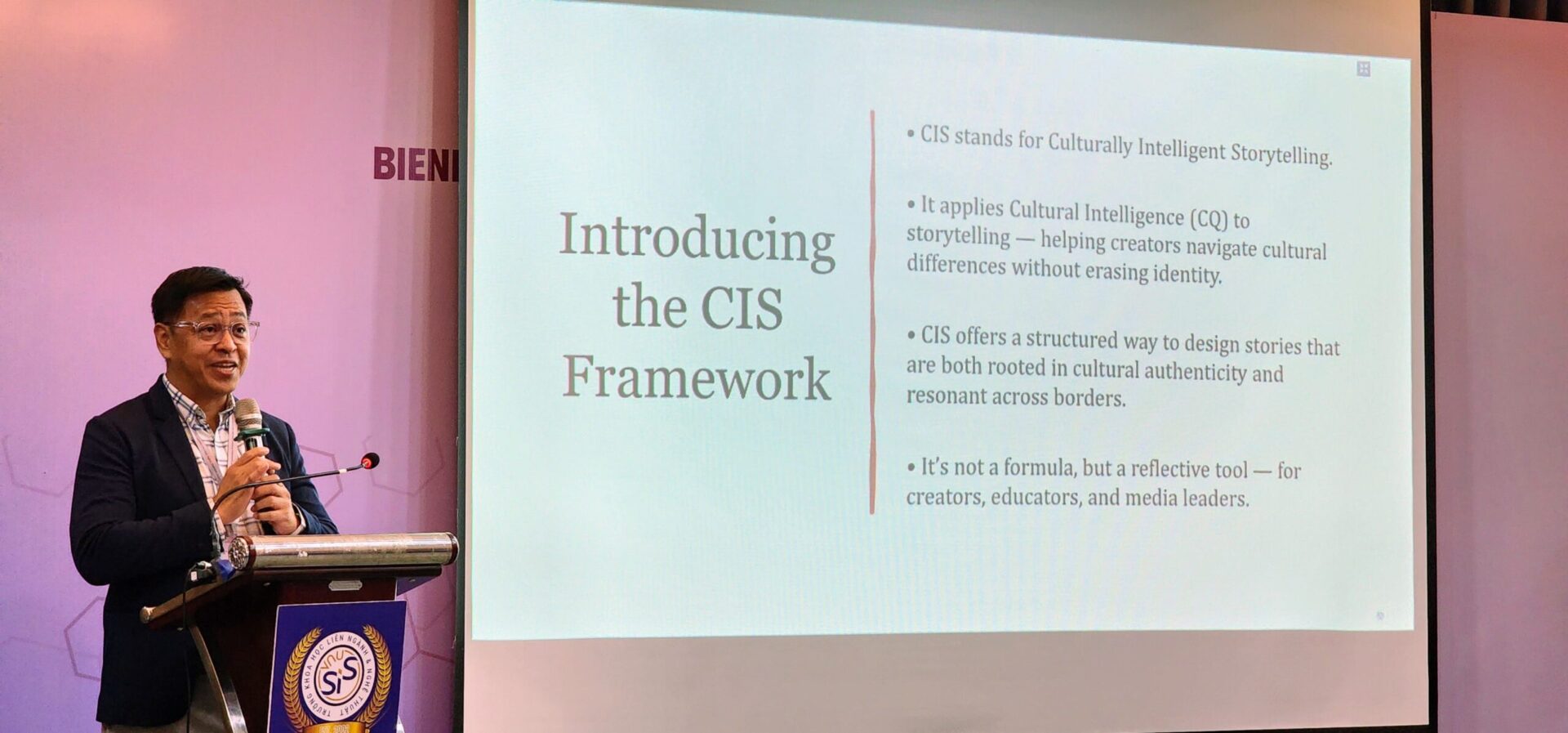
Through the CIS Bamboo Framework, I examined how narrative identity, cultural values, and audience engagement intersect when stories travel across borders.
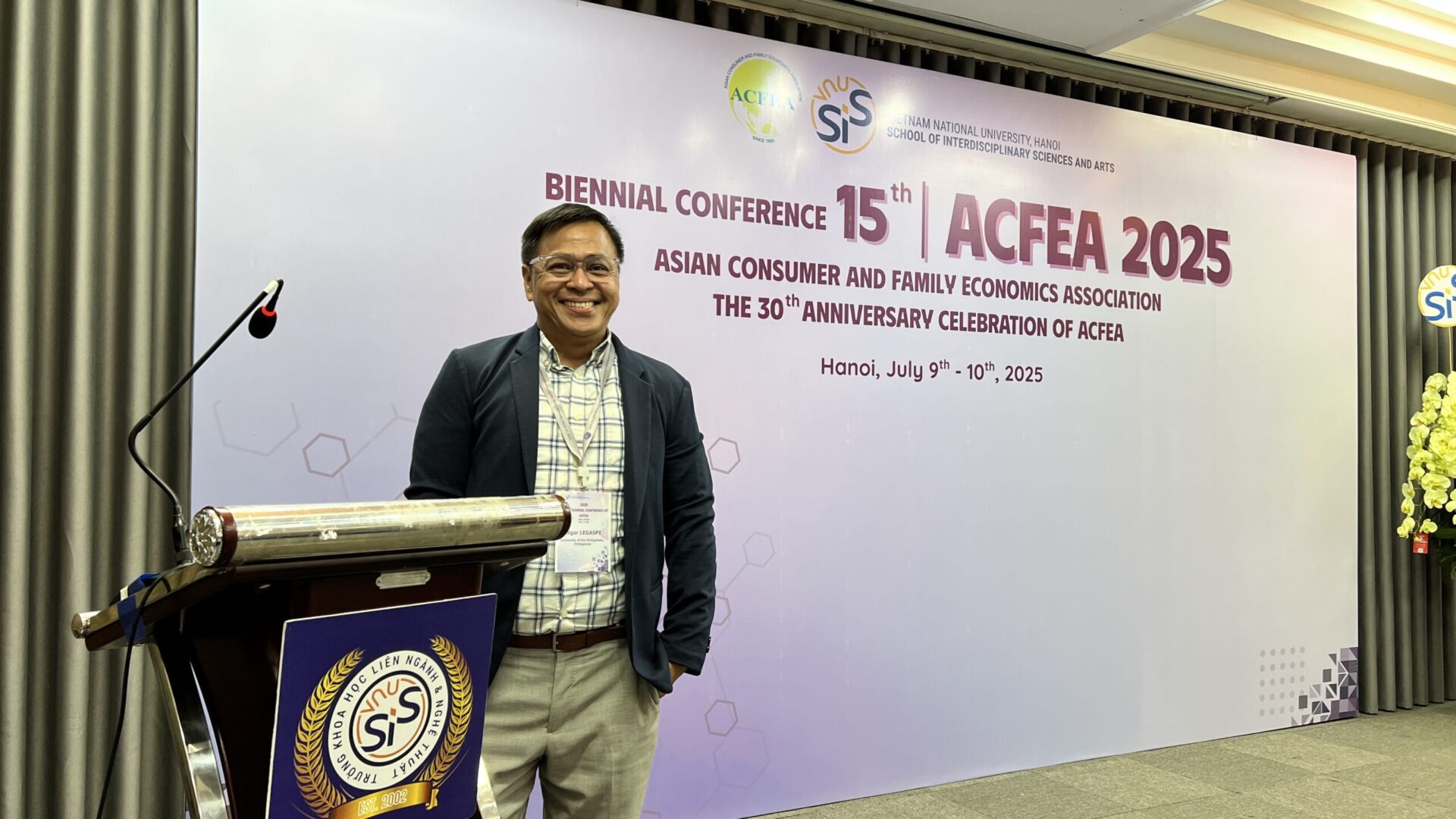
The conference marked my first speaking engagement in another Southeast Asian country.
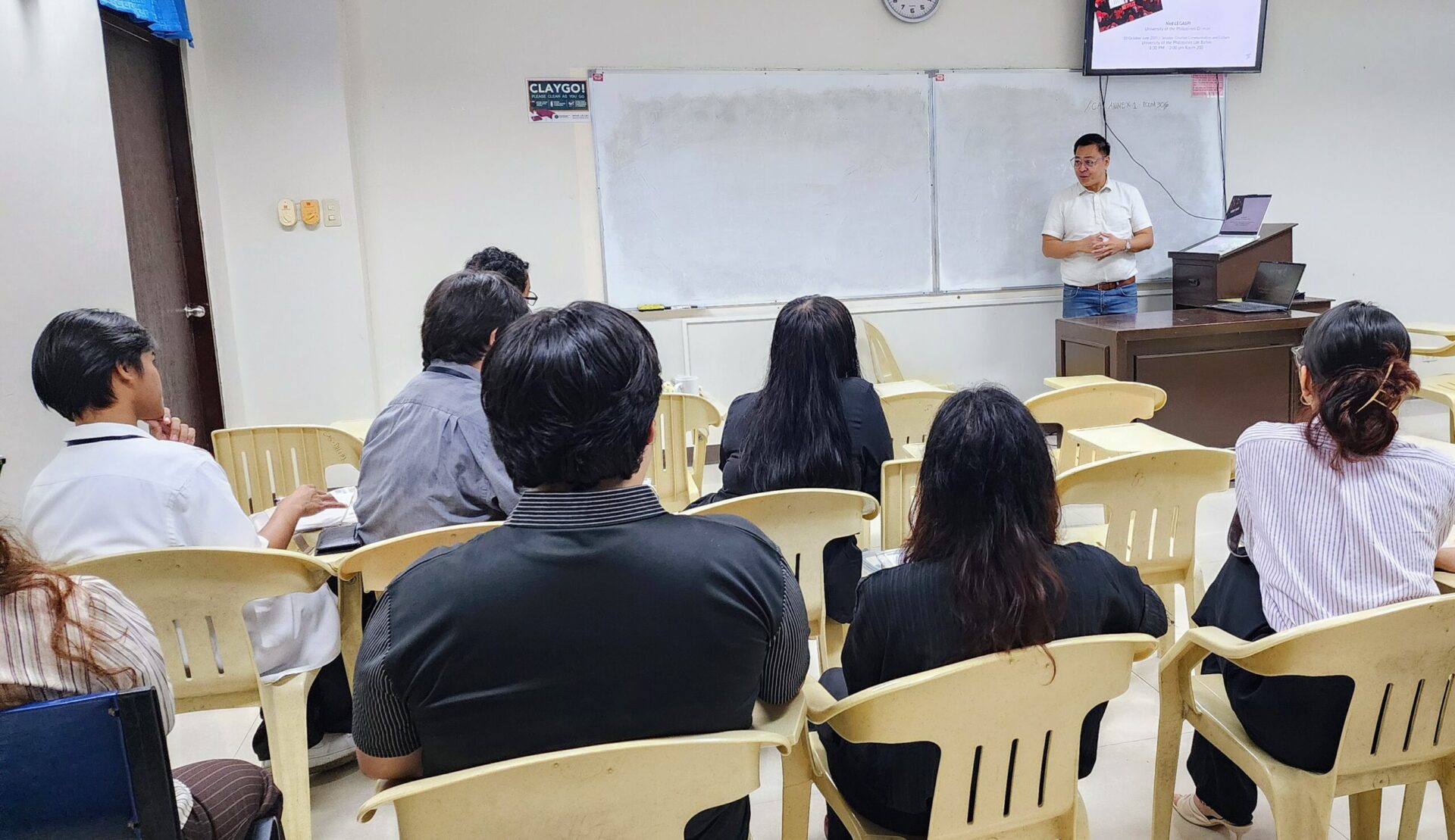
Ned Legaspi at the 15th Biennial ACFEA Conference in Hanoi, his first speaking engagement in another Southeast Asian country.
Engagement Details
Event: 15th Biennial Conference of the Asian Consumer and Family Economics Association Date: July 8–11, 2025 Location: Hanoi, Vietnam Presentation:Culturally Intelligent Storytelling: A Southeast Asian Lens on Narrative, Identity, and Engagement Format: Academic Conference Presentation
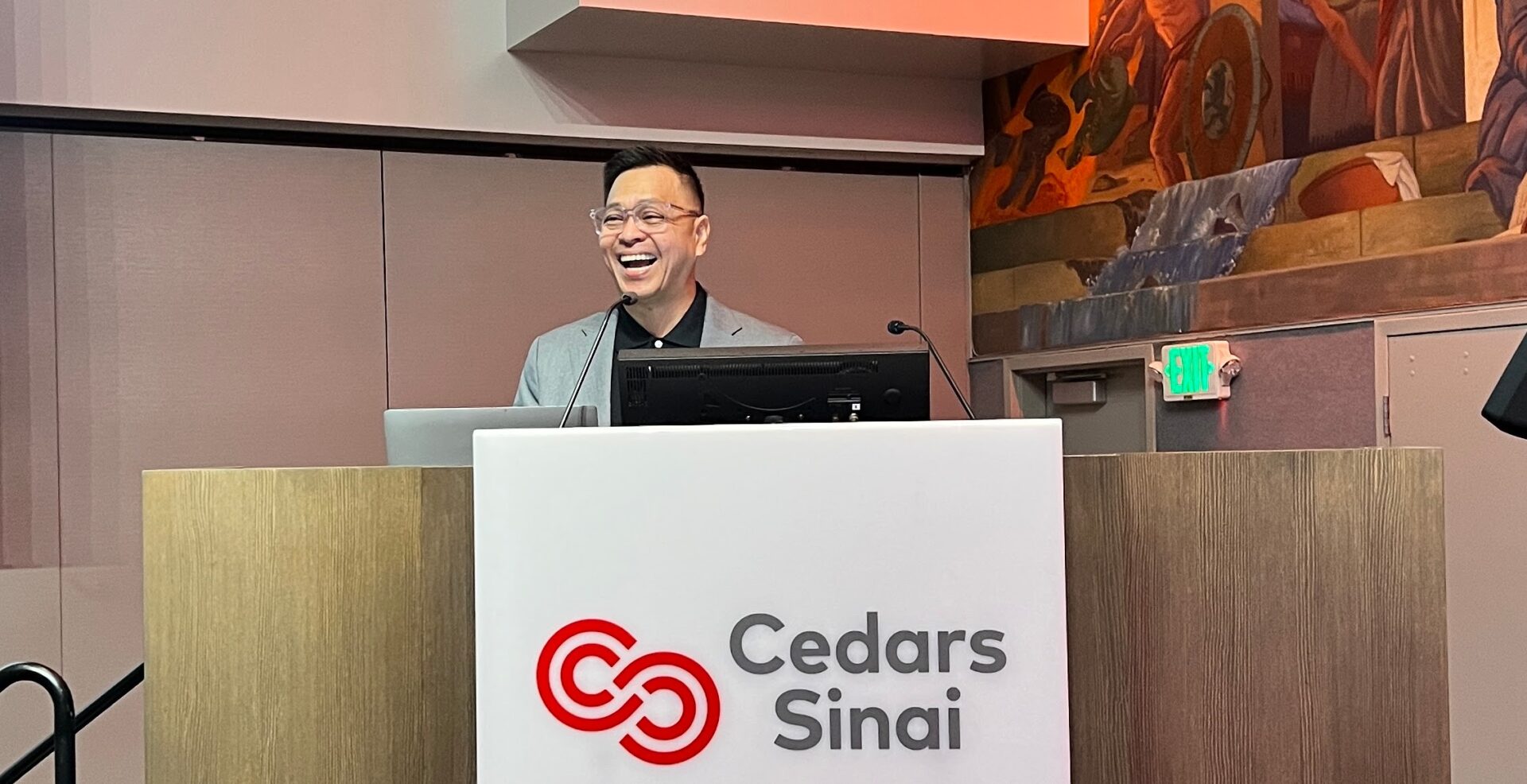
Ned Legaspi presents the CIS Framework and discusses how Cultural Intelligence can help stories remain culturally authentic while connecting across borders.
Bringing the Conversation Closer to Home
After Manila and Tokyo, Hanoi felt different.
This was my first time presenting my work in another Southeast Asian country. The geography mattered to me because the CIS Bamboo Framework grew from questions I had accumulated through three decades of working across countries and cultures, many of them involving Southeast Asian creators, stories, and audiences.
In Hanoi, I was no longer only talking about Southeast Asia. I was speaking from within the region, to an international community gathered in one of its capitals.
My participation was made possible through the generous support of the University of the Philippines Office of International Linkages Travel Grant, which fully covered the trip. That support allowed me to represent the university and bring this emerging body of work into a wider international academic conversation.
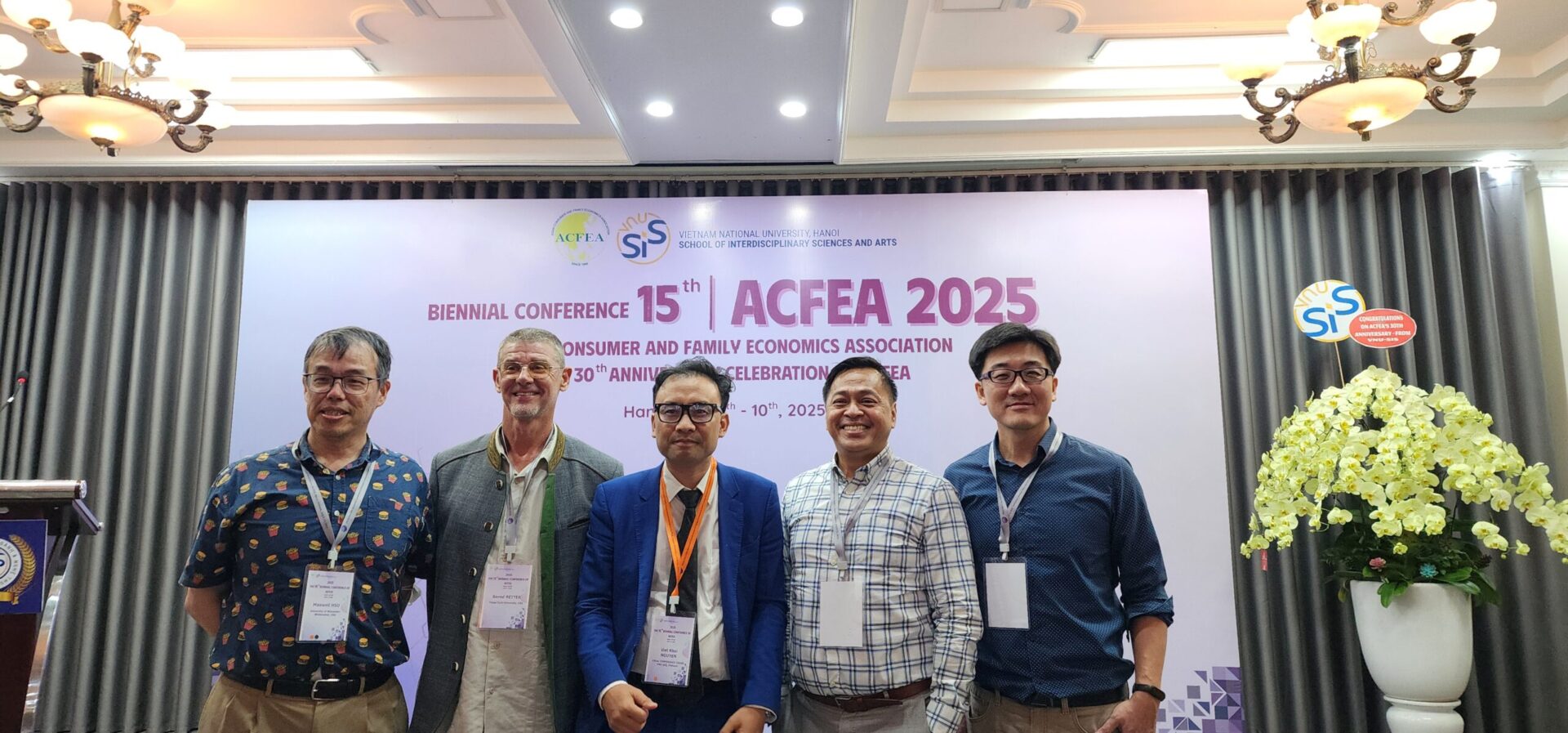
Ned Legaspi with fellow presenters after a conference session in Hanoi, where discussions continued around the CIS Bamboo Framework and its applications.
There was also something culturally instructive in the process of preparing for the conference itself.
As part of the local protocol, presenters were required to submit presentation materials in advance for review by the appropriate authorities in Vietnam. For someone working with Cultural Intelligence, this was not merely an administrative detail. It was also a reminder that communication takes place within institutional and cultural contexts.
Different societies approach authority, rules, institutional responsibility, and public communication differently. Entering another cultural context requires more than bringing the same presentation to a different country. It requires understanding the environment in which communication takes place and respecting the processes that make that exchange possible.
That, too, is part of Cultural Intelligence.
When a Framework Becomes a Conversation
One of the most encouraging moments came through conversations with my co-presenters.
They were curious about the CIS Bamboo Framework. Their questions went beyond the individual paper I had presented. They wanted to understand more about how the framework worked, how its different parts connected, and how cultural insights could be translated into a practical approach to storytelling.
Those conversations mattered to me.
A framework begins as an attempt to organize ideas. But it becomes more meaningful when other people start asking what they can do with it, how it might apply to their own contexts, and where the conversation might go next.
That was what I experienced in Hanoi.
The CIS Bamboo Framework had begun from questions shaped by years of media practice. In Manila, I first brought those questions into an academic conversation. In Tokyo, I saw how they could connect with the viewing experiences of someone from another culture.
And in Hanoi, in my first presentation in another Southeast Asian country, the conversation came closer to home.
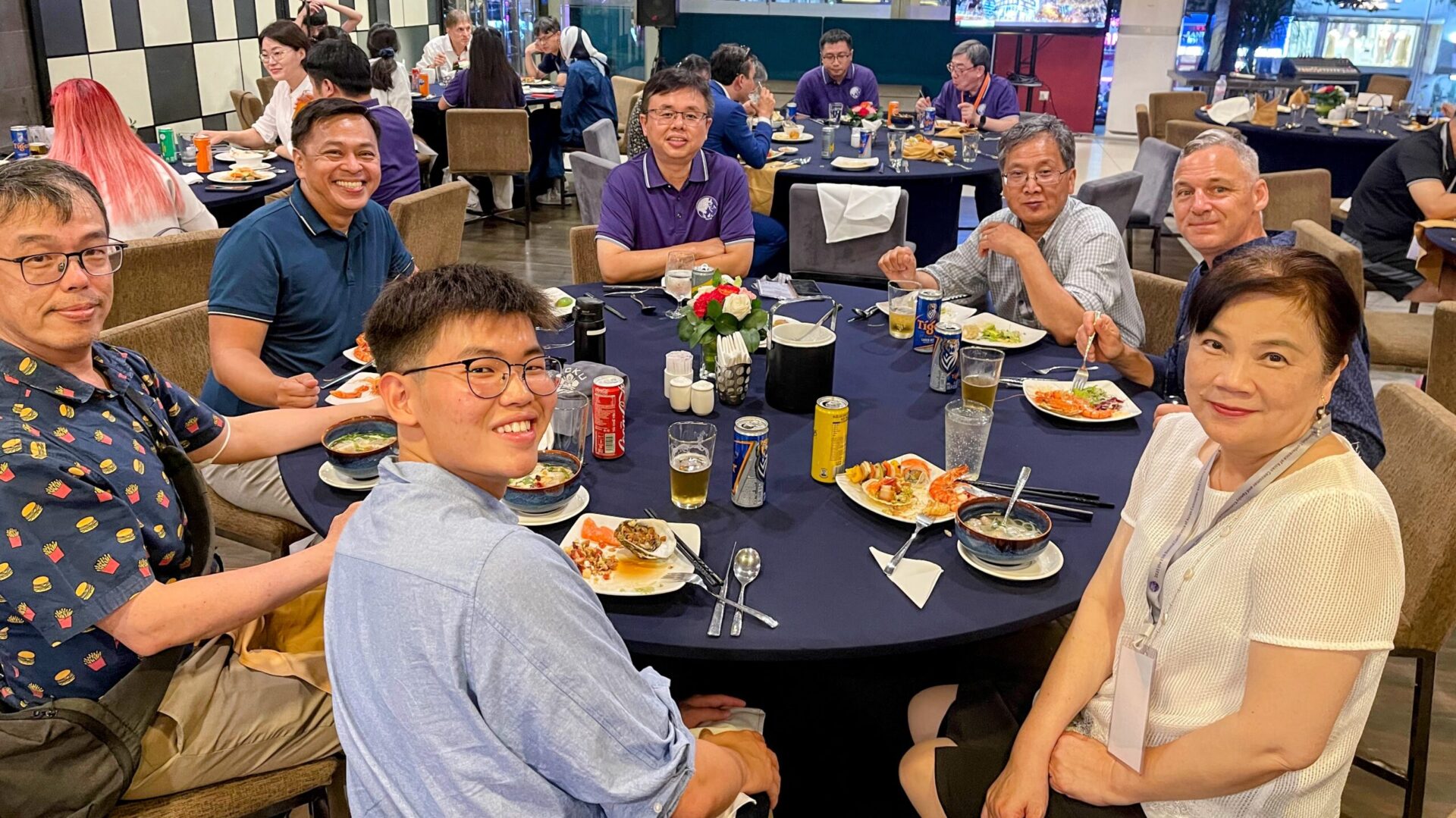
Ned Legaspi with a co-presenter and new scholars he met during the welcome dinner of the 15th Biennial ACFEA Conference in Hanoi.