

The Philippine Launch · July 23, 2026
The book came home through a library.
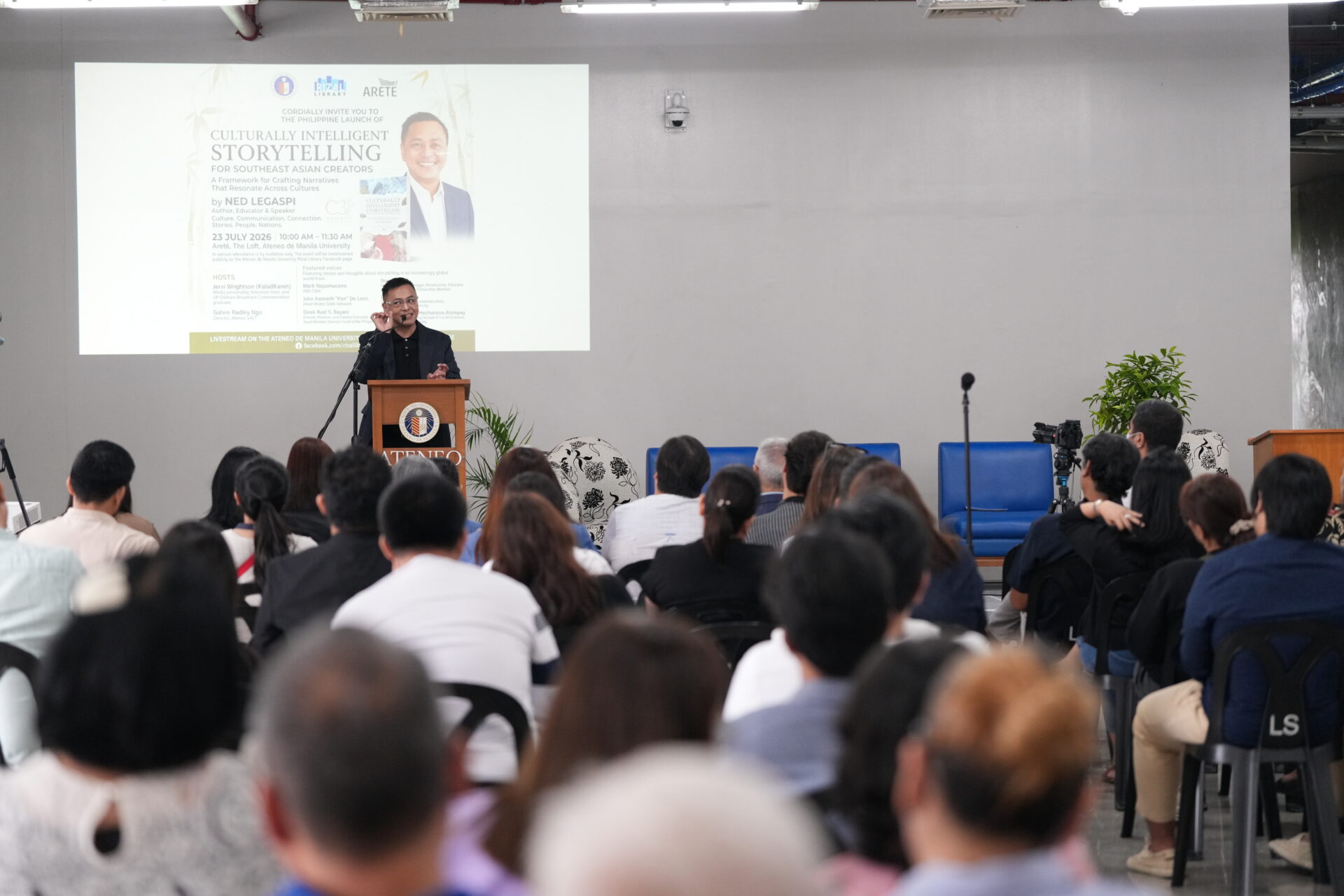
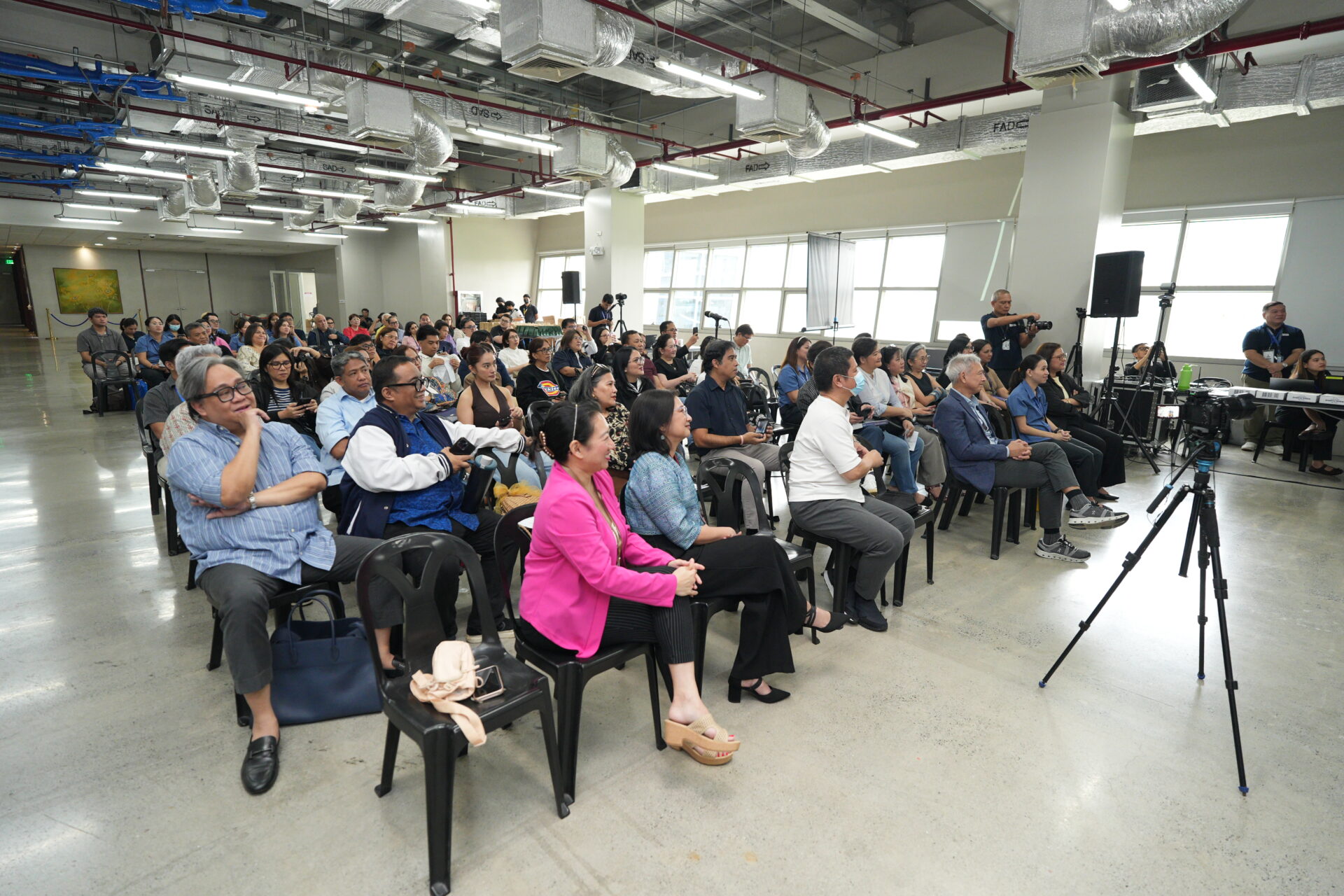
What began as a simple plan to make my book available to my students became something larger: a Philippine launch that brought together people from media, education, the social sciences, and the many communities that had accompanied me long before the book existed.
In late 2025, Culturally Intelligent Storytelling for Southeast Asian Creators first met readers at its international launch in Santa Monica, California. Its journey continued through a gathering in San Francisco. But bringing the book to the Philippines required a different kind of moment. I did not want to repeat what had already happened in the United States. I wanted the homecoming to create a conversation that could only happen here.
How it began
From a classroom to the Rizal Library
The path to the launch began in the classroom. The Department of Communication of Ateneo de Manila University invited me to teach Writing for Film. Its chair, Dr. Christine Cox, encouraged me to include the CIS Bamboo Framework discussed in the book as one of the lenses my students could use in writing for the screen. In January 2026, I joined Ateneo as a part-time faculty member.
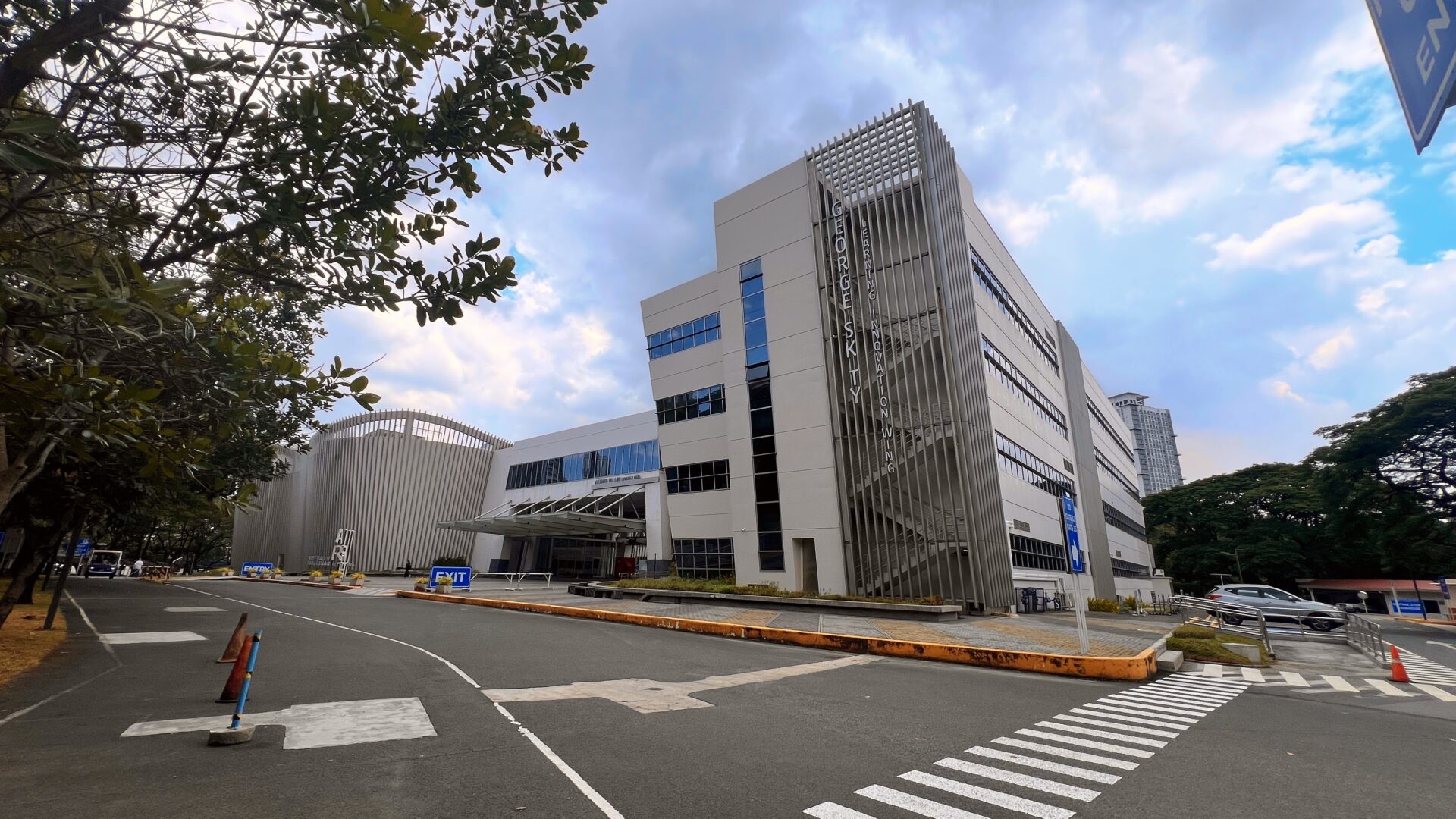
I wanted to donate copies of the book to the Rizal Library, the main library of Ateneo de Manila University, so that my students could access it. The library bears the name of José Rizal, the Philippines’ national hero, who studied at the Ateneo and was himself an Atenista, as members of the Ateneo community are known. The first person I approached was Edz Santos, Graduate Librarian II. He asked a question that changed the direction of the story: Had the book already been launched in the Philippines?
“In the United States, yes,” I told him. “But not yet here.”
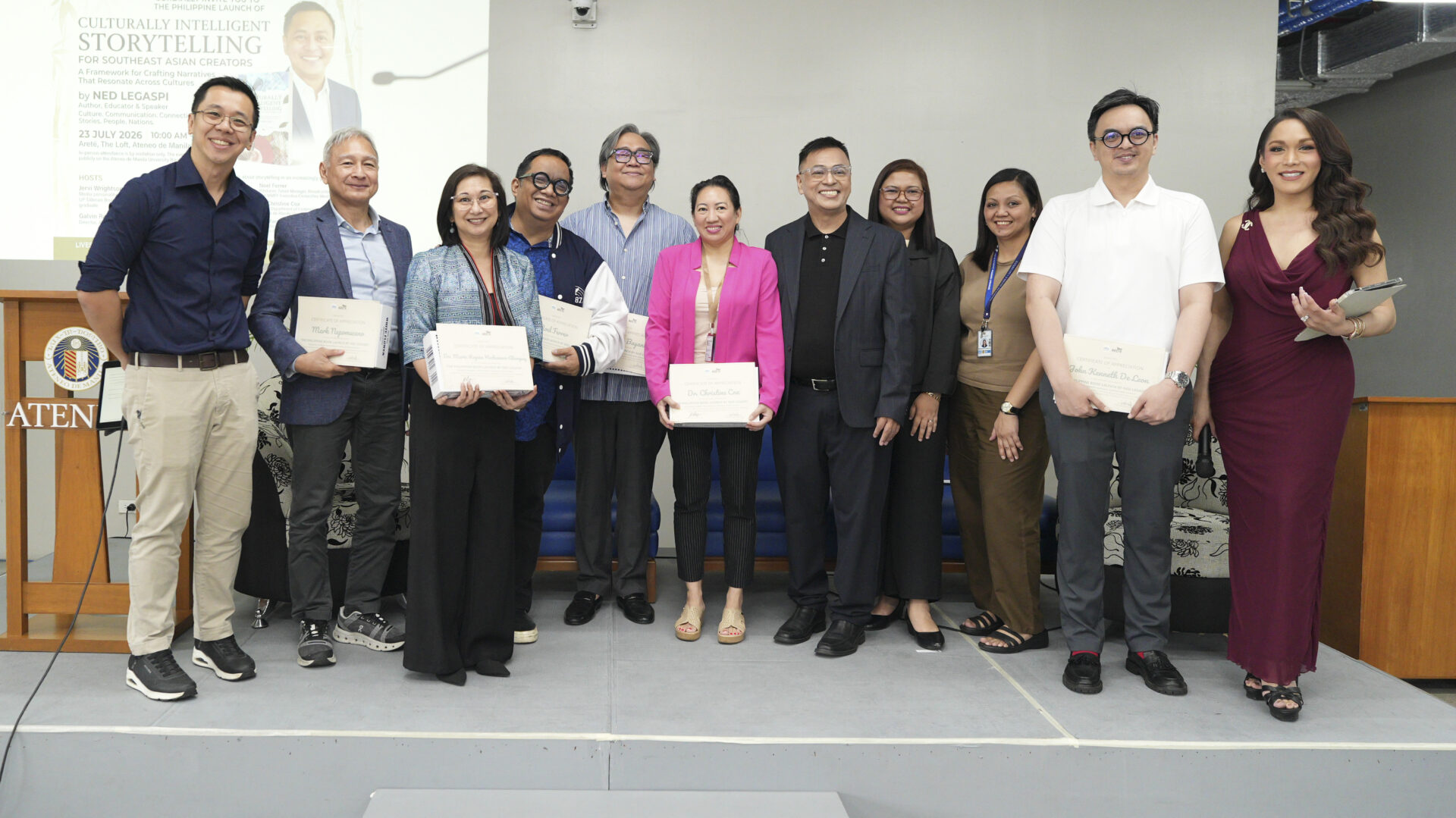
Edz and Mark James G. Cayabyab, RL, MTM, Head of the Reference and Information Services Section, reviewed the book and saw its value for the Rizal Library’s collection. They brought the proposal to University Librarian Joenabie E. Arevalo, RL, MLIS. After reviewing it, she approved the Rizal Library’s role as the institutional organizer and presenter of the Philippine launch, in cooperation with Areté.
Designing a different kind of launch
The library gave me room to shape the program. From the beginning, I knew this could not be only an announcement that the book was now available in the Philippines through Fully Booked and online marketplaces. The gathering also had to mark the official donation of copies to the Rizal Library.
Rather than delivering a long lecture about my own book, I invited people connected to different stages of a story’s journey. In turn, I asked them to speak from their own experience and raise the concerns, tensions, and possibilities facing Filipino storytellers today. My role would come at the end: to listen, synthesize, and explain why I wrote the book, including what it could address and what remained part of a much larger conversation.
The first library to receive the book
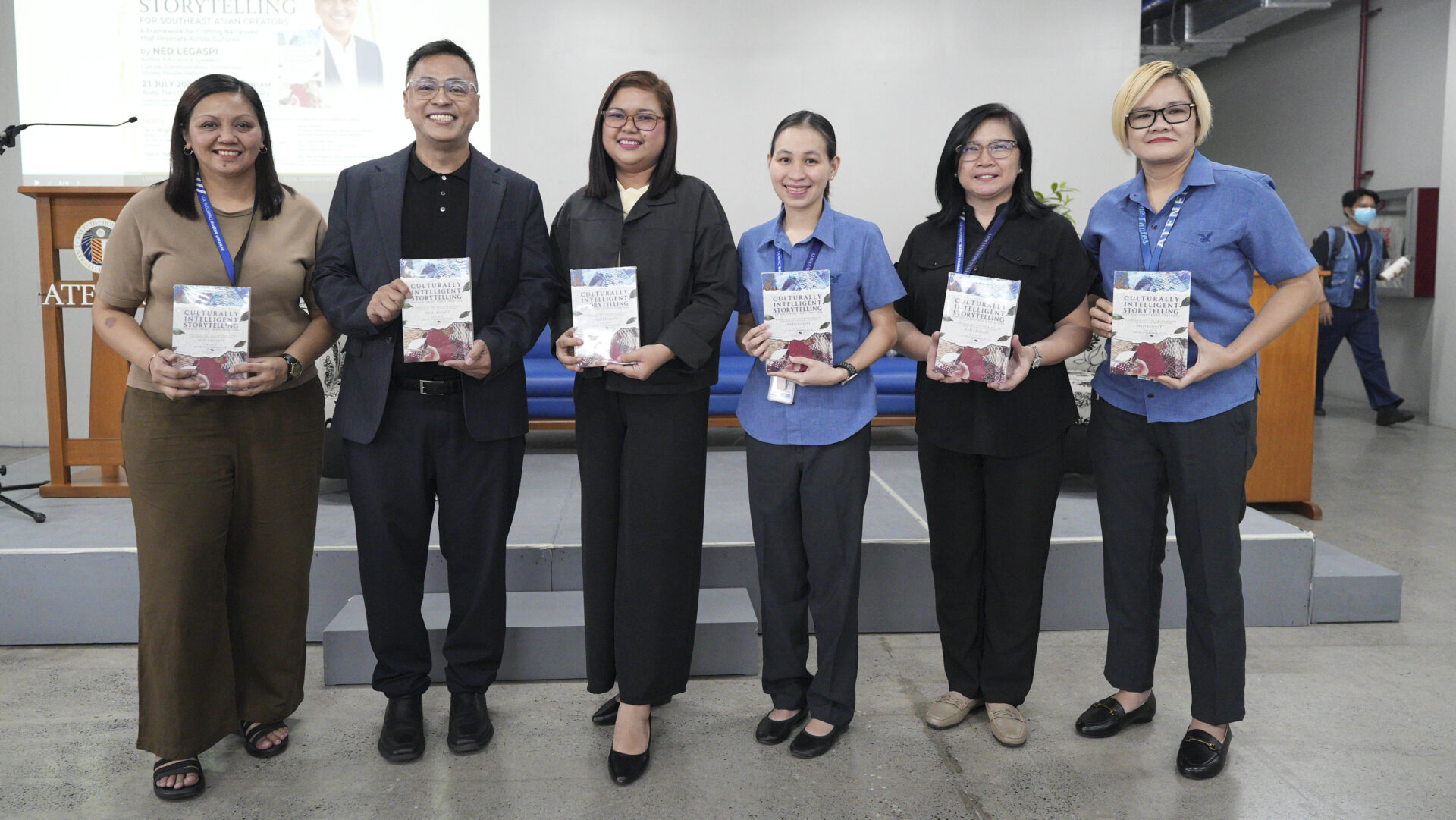
That ceremonial donation was not an event accessory. Instead, it marked the beginning of another journey for the book. The Rizal Library became the first library in the Philippines to receive copies through an initiative I hope to extend to other institutions. It felt right that the organization that helped bring the Philippine launch into being would also become the first library to welcome the book into its collection.
The first conversation
What helps Filipino stories travel?
The first set of speakers looked outward, toward the changing media industry and the conditions under which Filipino content enters global markets.
Purpose and possibility
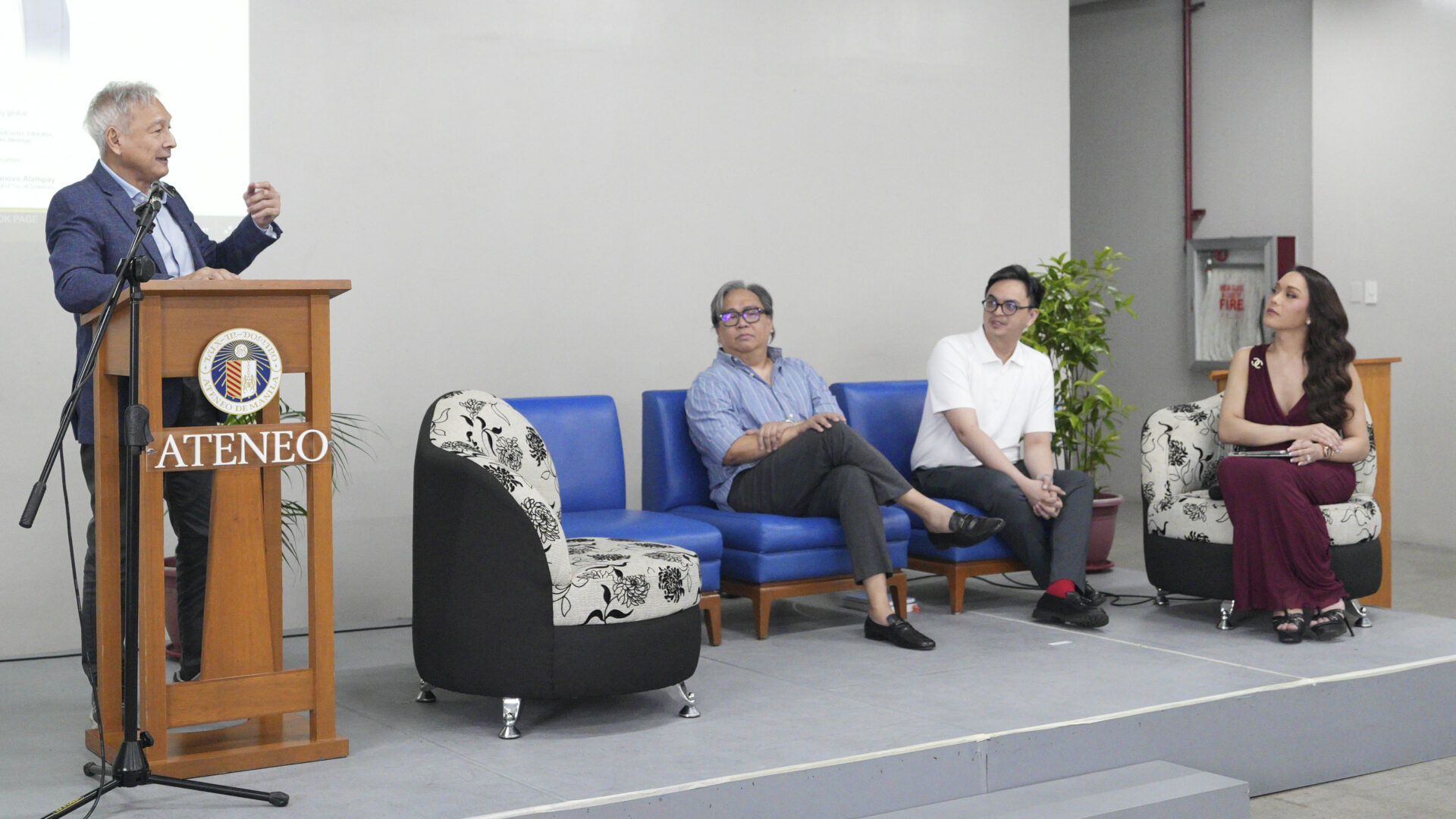
Mark Nepomuceno approached global success from both intrinsic and extrinsic perspectives. Reaching beyond the domestic market can serve a cultural purpose by making Filipino experiences visible to wider audiences. It also responds to business realities: new markets, new distribution systems, and the need for sustainable growth. Going global brings together cultural responsibility and commercial necessity.
Specificity and emotional clarity
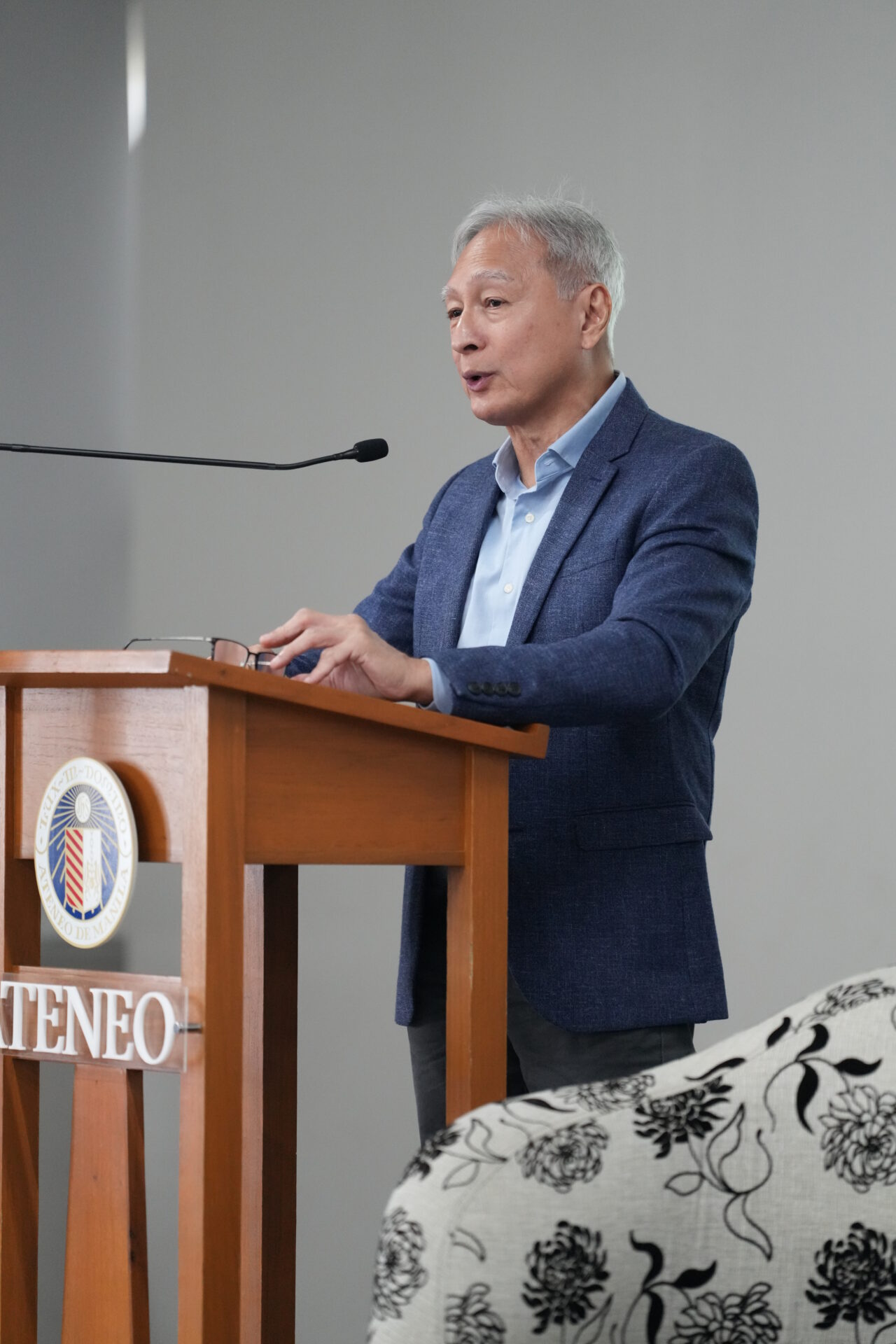
Direk Ruel S. Bayani challenged the assumption that content needs spectacle to travel. From his experience creating and selling Filipino content, a story can cross borders when it possesses cultural specificity and emotional clarity. Its details may be unmistakably Filipino, but the emotion must be clear enough for audiences elsewhere to enter.
A changed creative landscape
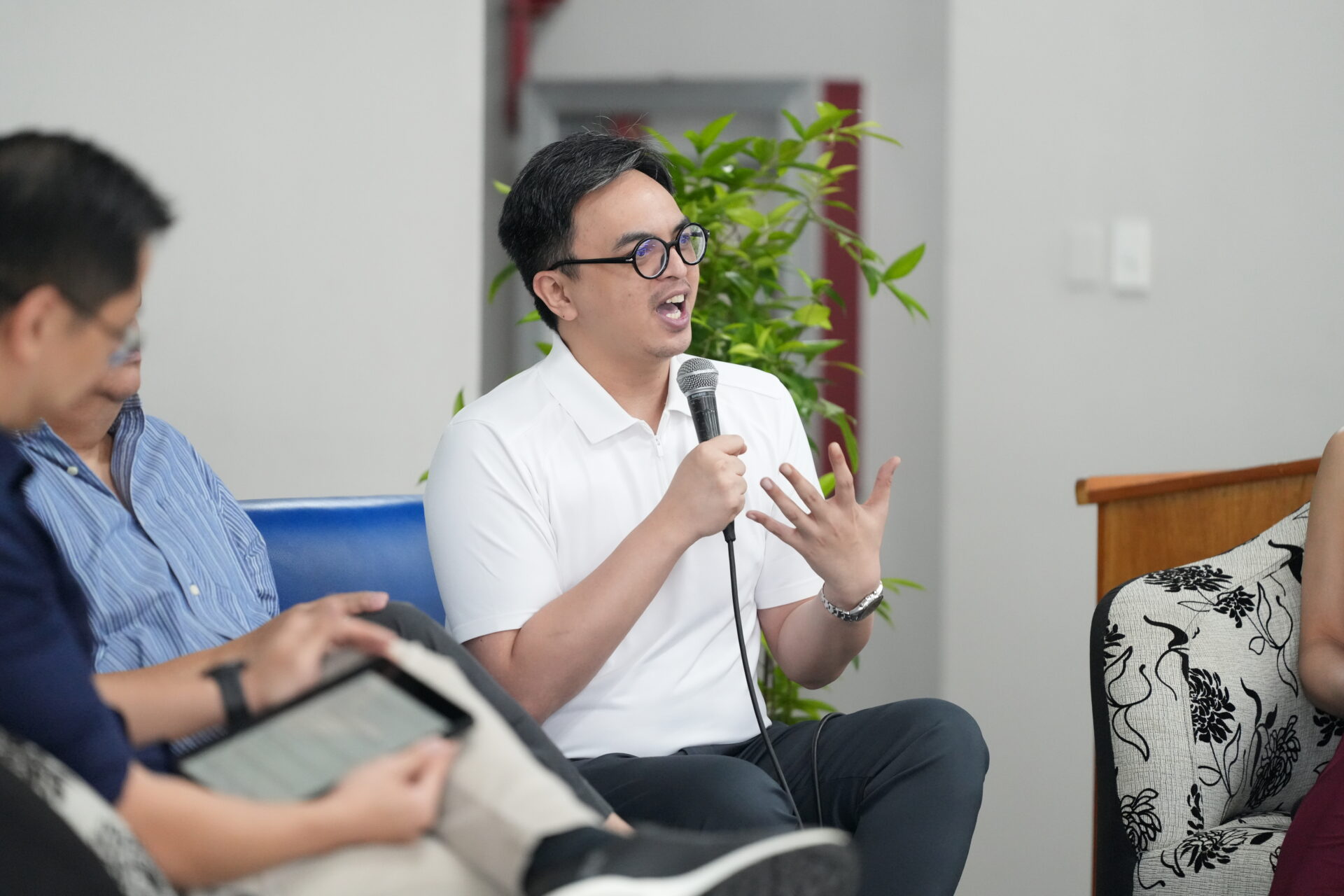
Ken de Leon located the conversation in today’s writing and production environment. Filipino creators increasingly collaborate with streaming platforms, enter co-production arrangements, and compete in a marketplace where stories cross borders quickly. Cultural intelligence becomes part of how writers understand partners, audiences, and the conditions under which their work will travel.
Stories do not become global by erasing where they come from.
The second conversation
What kind of storyteller will you become?
The second set of speakers brought the discussion inward, toward culture, creative identity, resonance, and the human work stories are asked to do.
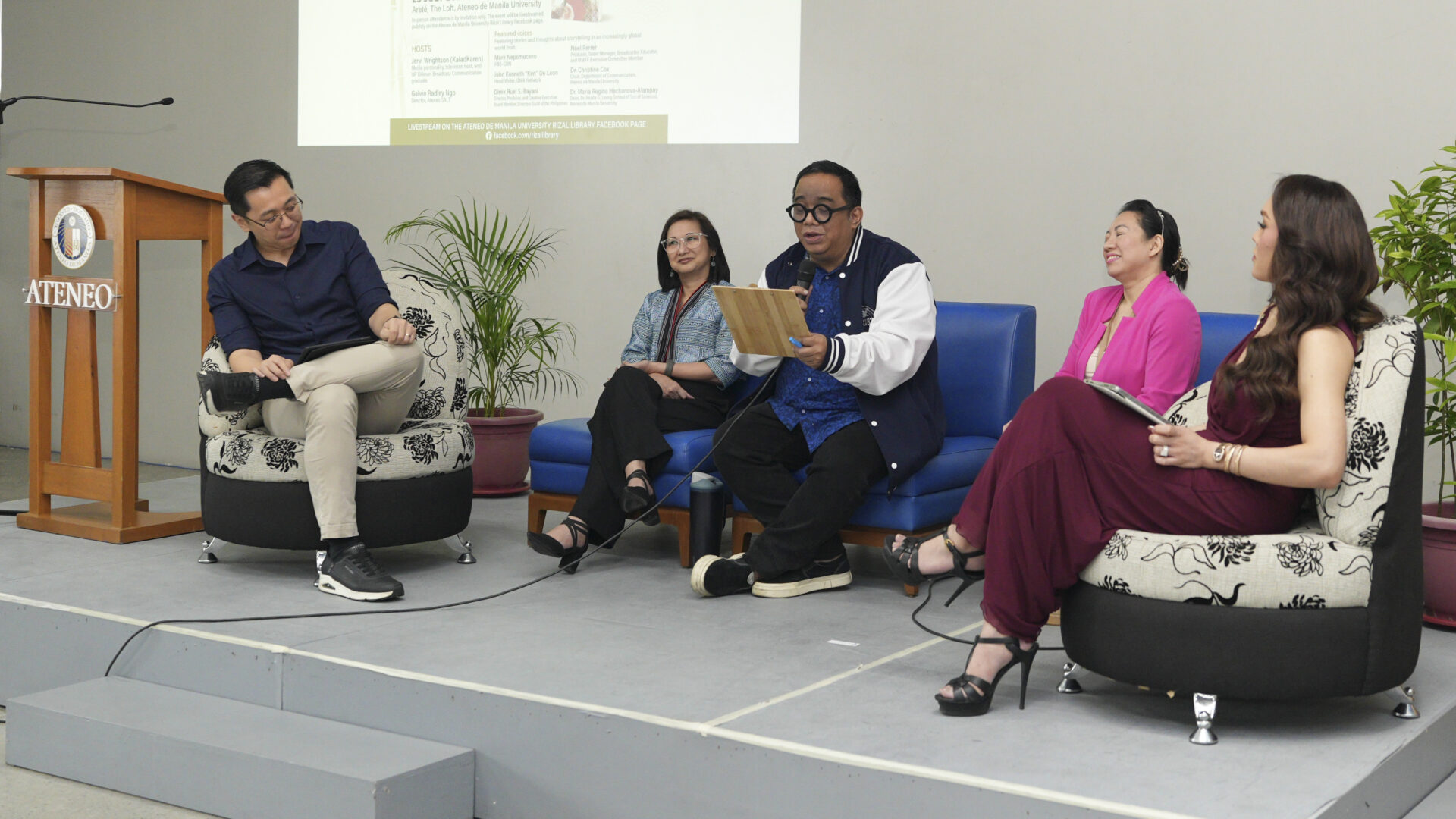
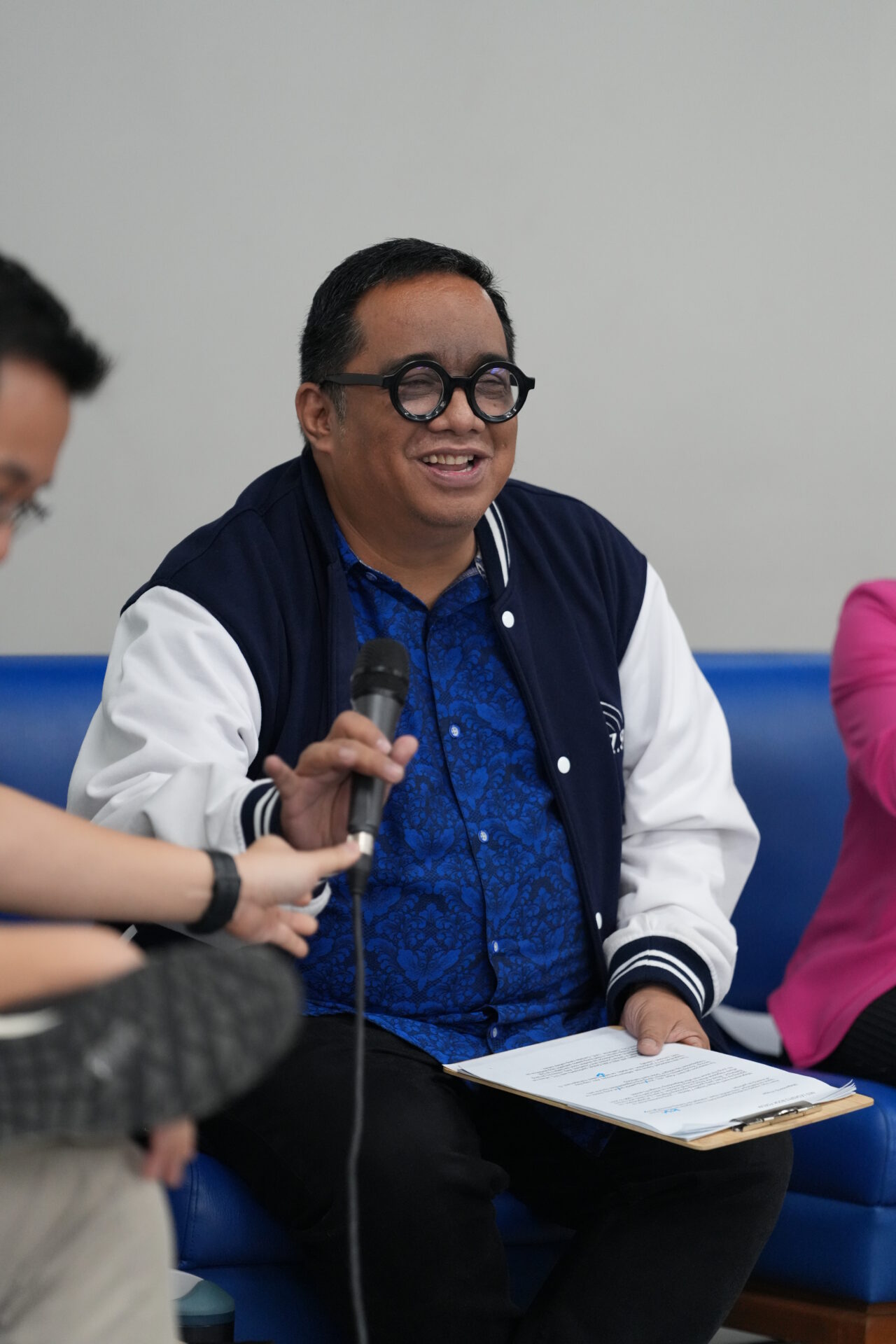
Why the adobo matters
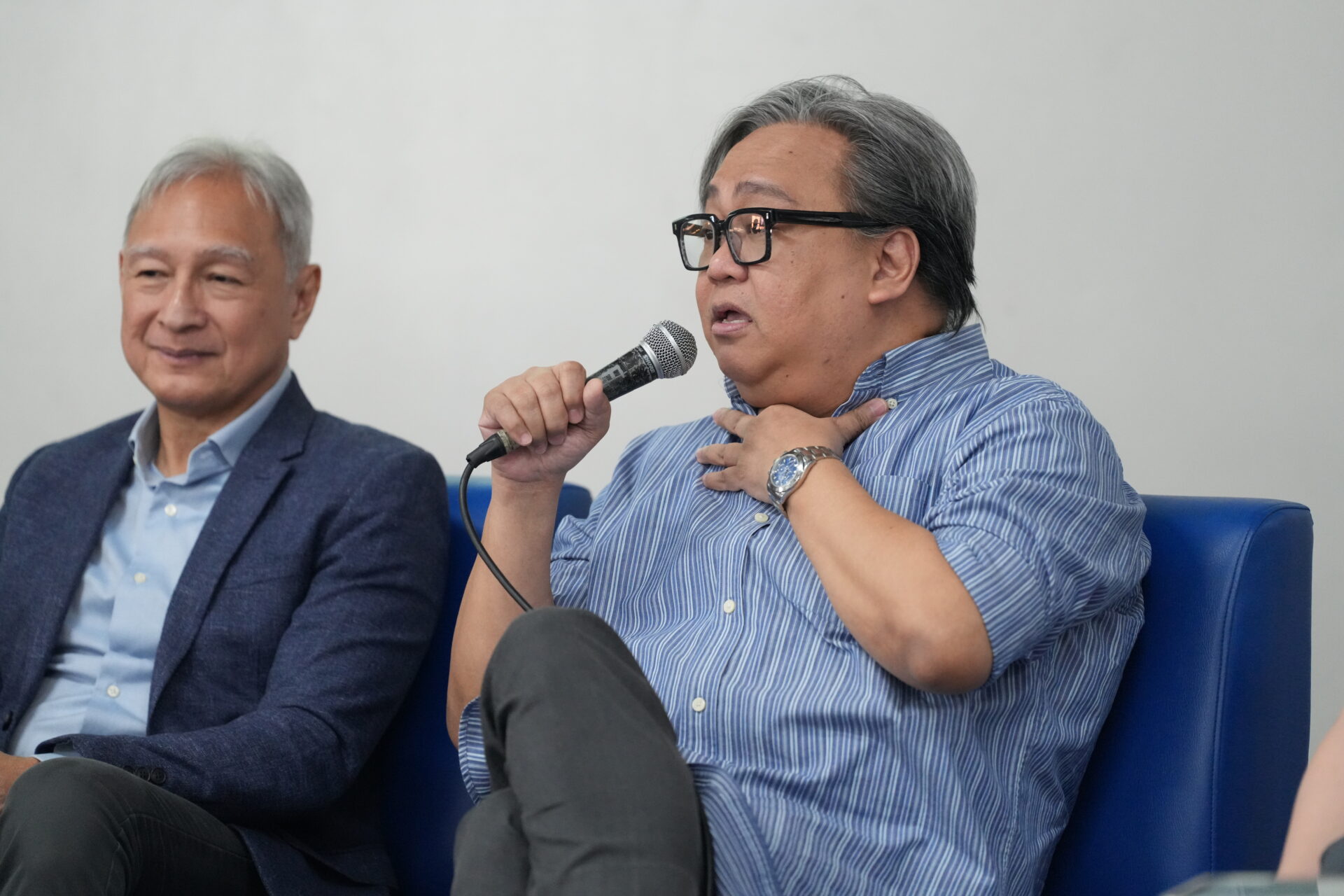
For Noel Ferrer, culture is not an accessory added to an artist’s work. It is the language through which the work acquires meaning. His image was memorable: creators do not need to “translate” adobo to make it acceptable to the world. They need to show why the adobo matters in the lives, relationships, and memories of the people in the story.
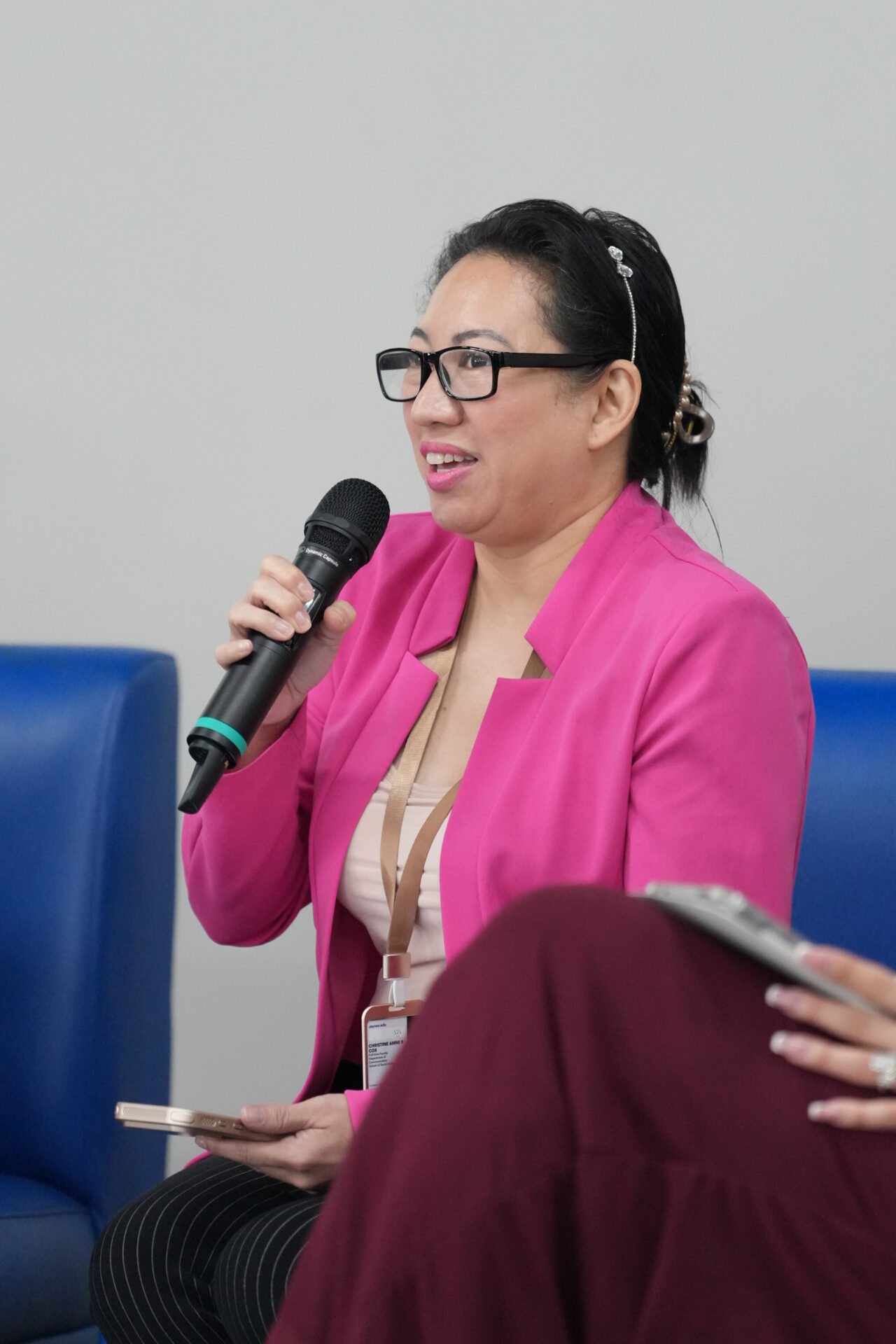
Creative identity
Dr. Christine Cox turned the discussion toward the storyteller. The question is not merely whether we can tell stories, but what kind of storytellers we choose to become. Global relevance does not require Filipino creators to imitate established models from elsewhere. It asks us to understand our standpoint and speak from it with intention.
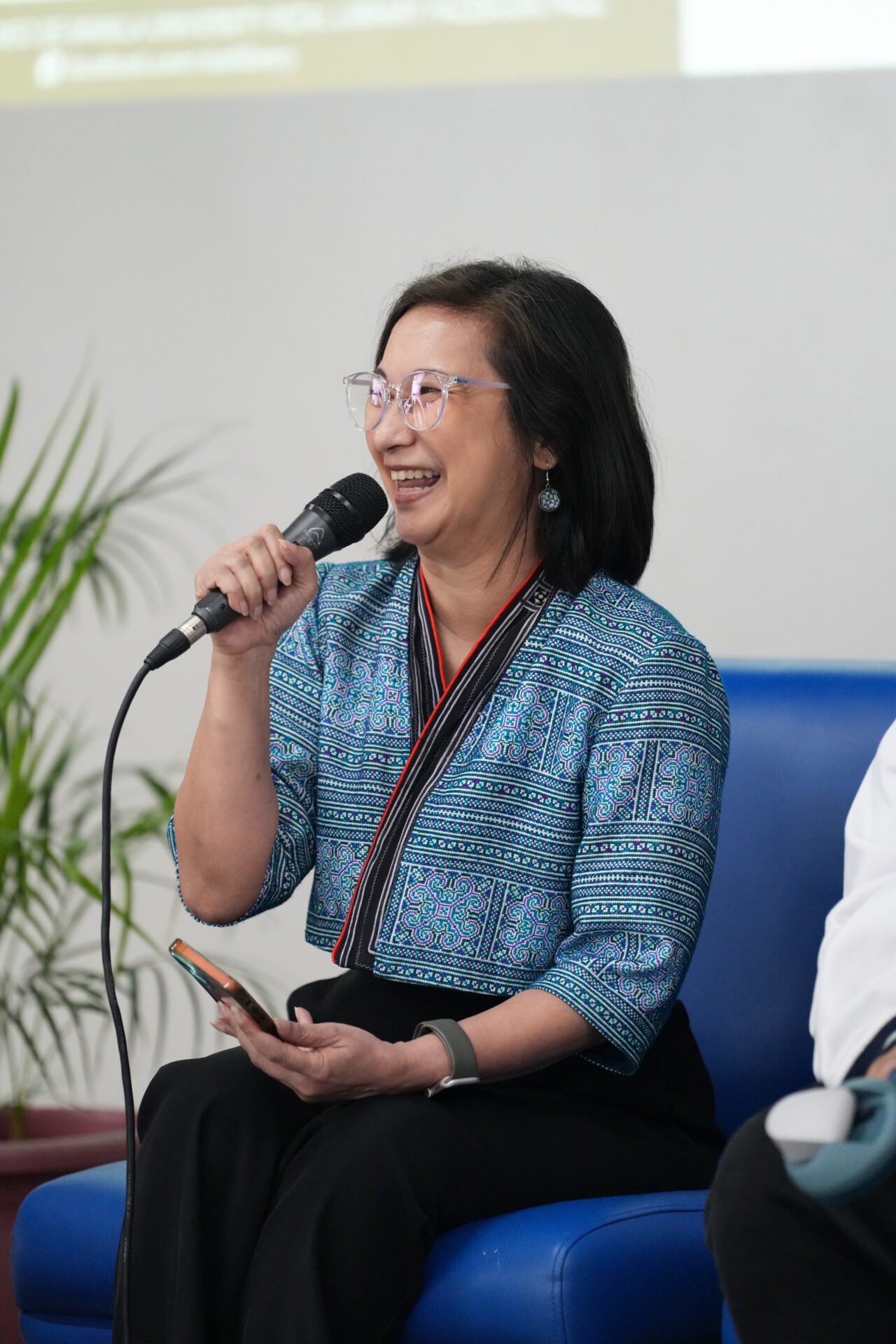
Stories that change hearts
Dr. Gina Hechanova-Alampay brought the perspective of the social sciences. Research helps us understand people and societies, but stories allow that understanding to resonate. They make knowledge felt. Stories matter because they can reach people emotionally and, in doing so, change hearts.
We do not have to translate the adobo. We have to show why the adobo matters.
Holding the conversation together
Two hosts, two worlds, one generous room
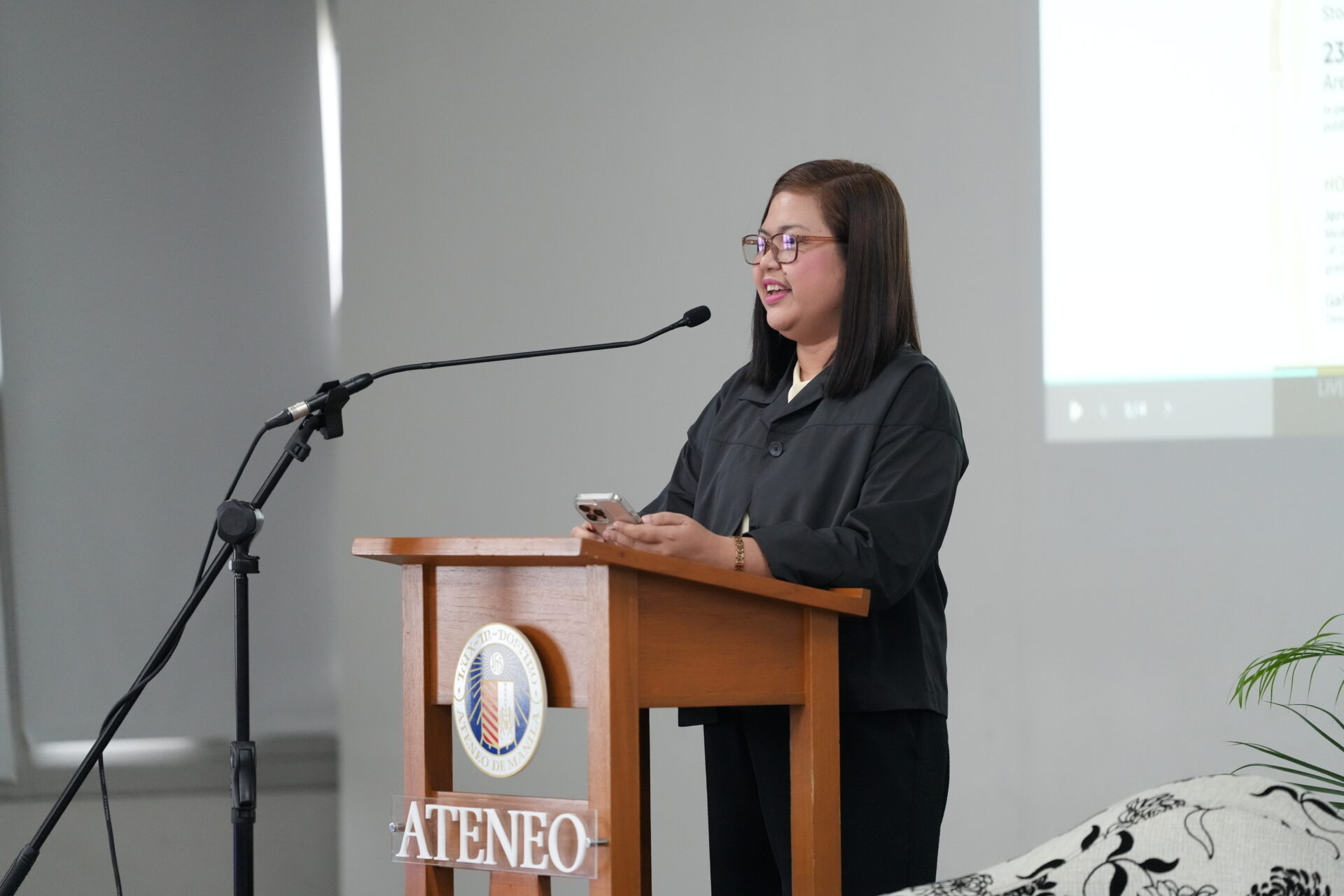
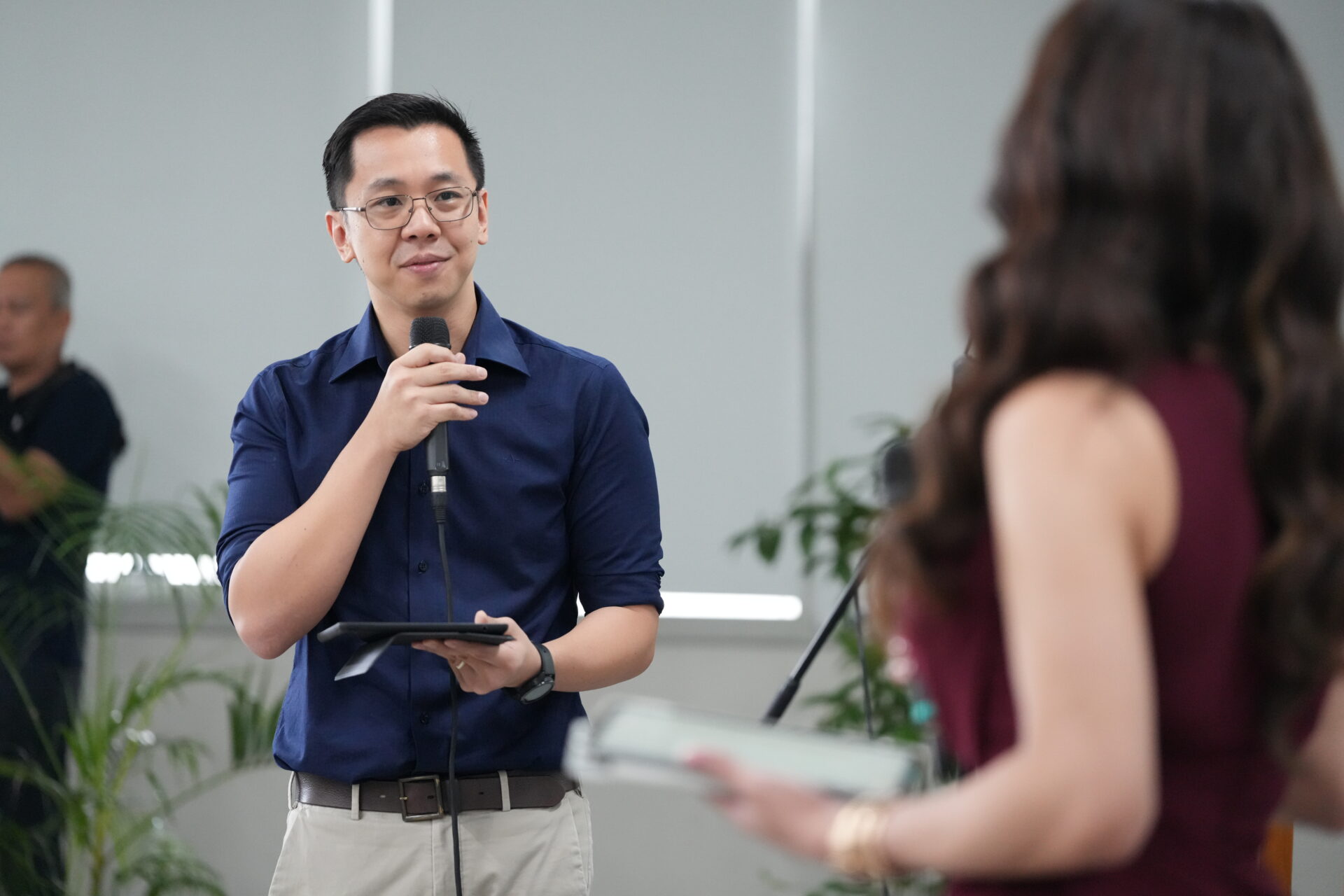
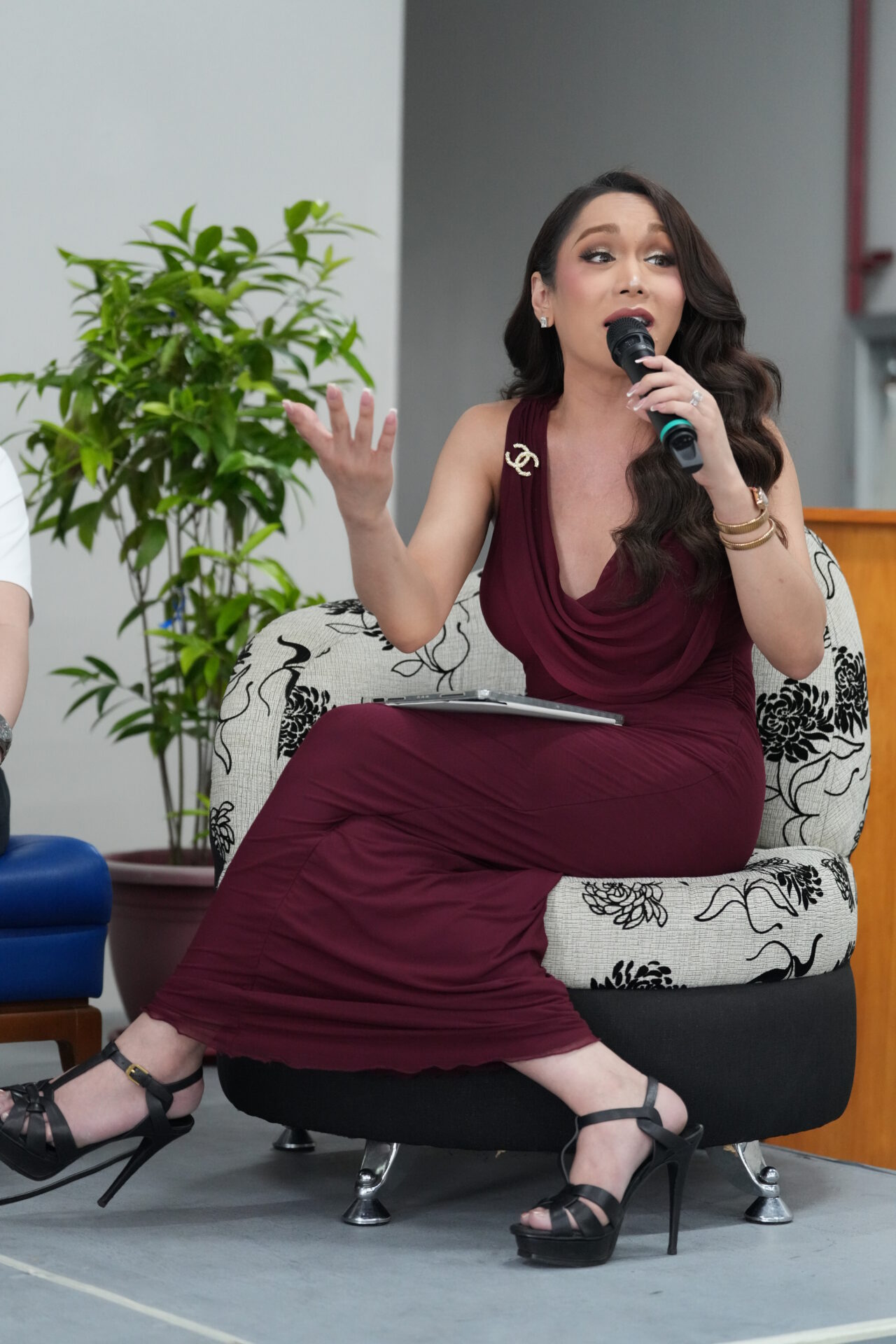
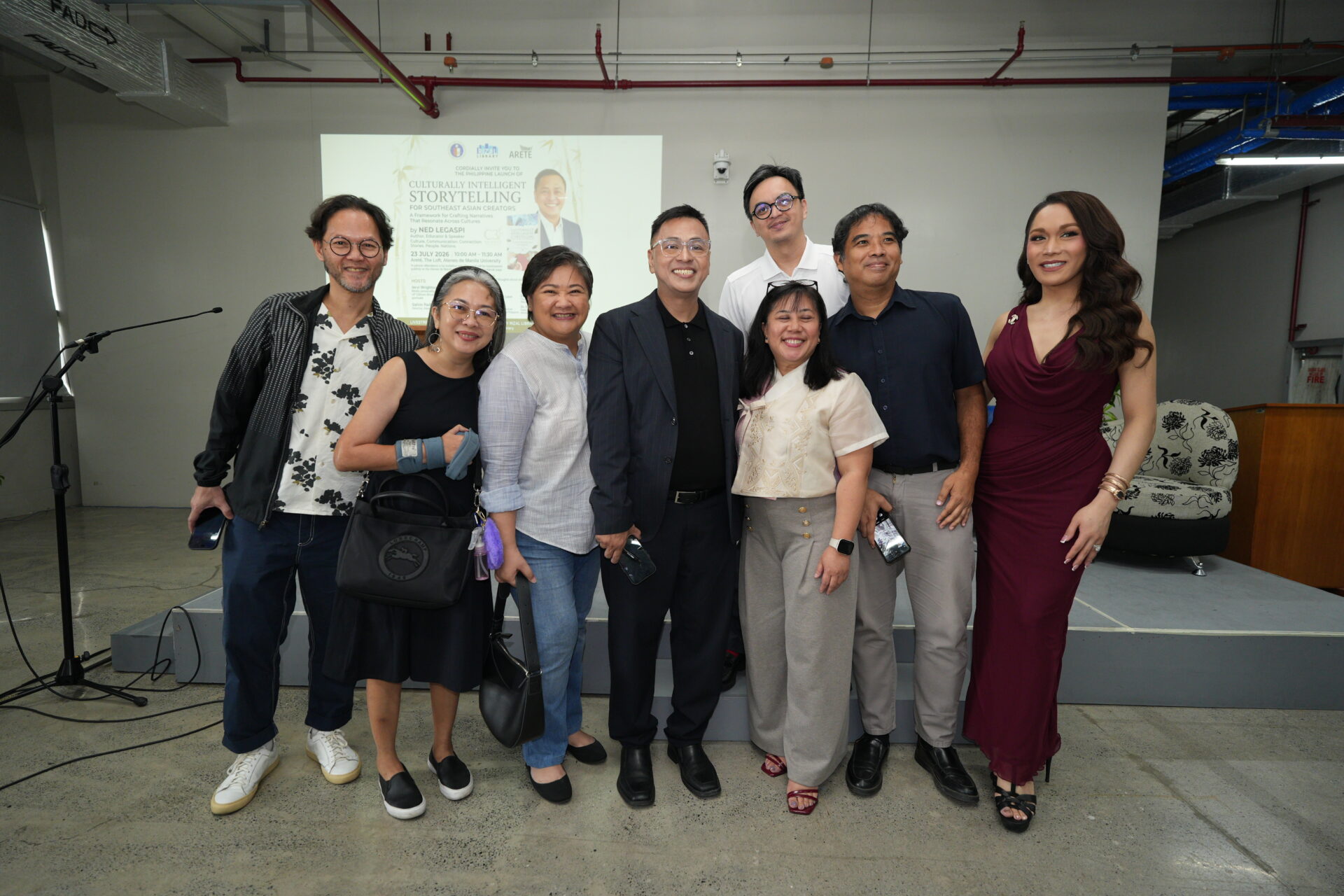
The discussion was guided by two hosts who reflected the worlds the launch brought together. Galvin Radley Ngo, Director of the Ateneo Institute for the Science and Art of Learning and Teaching, brought the perspective of education and institutional innovation. Jervi Wrightson, also known as KaladKaren, brought her experience in television, broadcasting, acting, writing, and screen media. Together, they made the conversation thoughtful, lively, and accessible.
The synthesis
Why I wrote the book
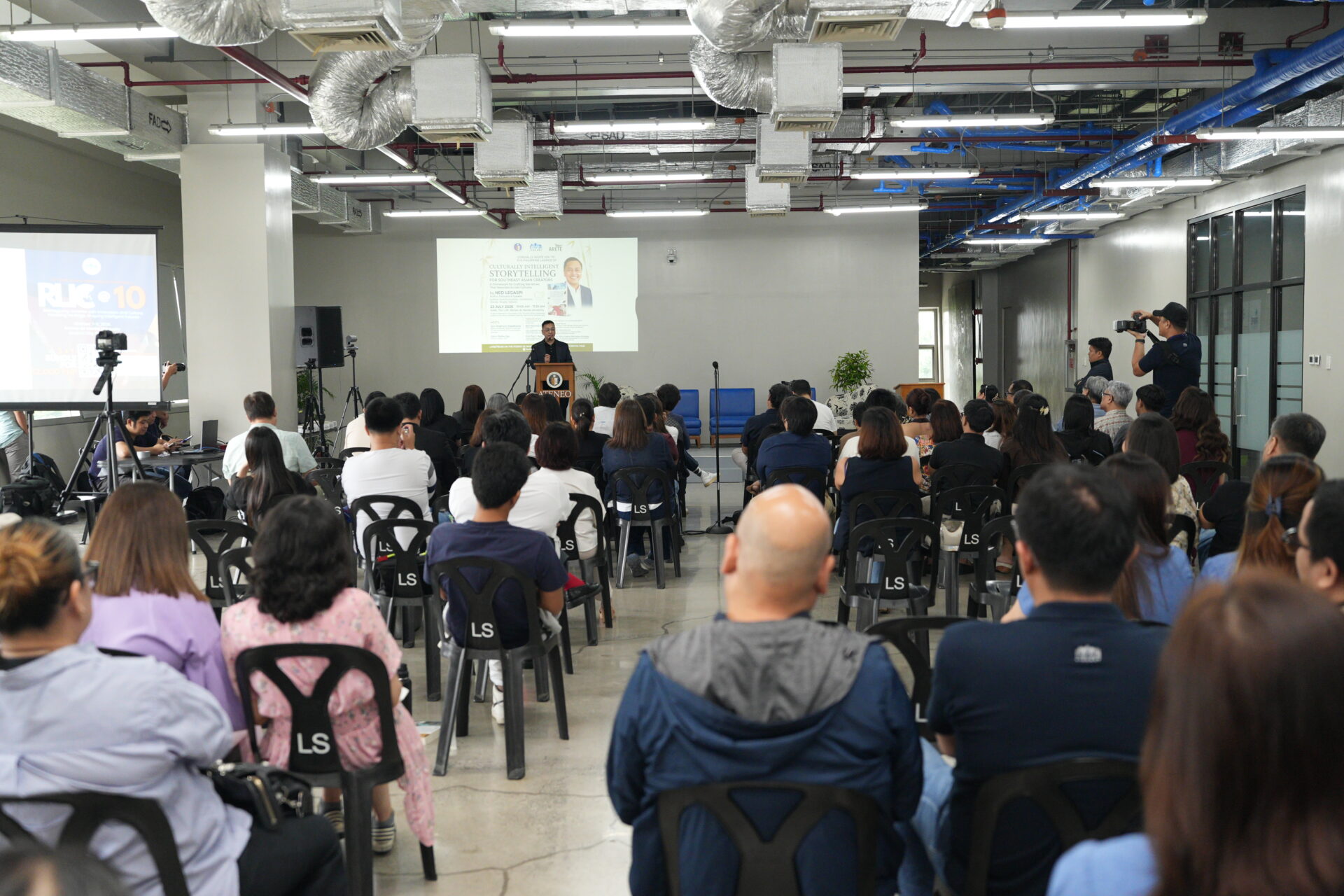
As I listened, I heard the different parts of the same problem. Filipino creators want their stories to travel, but the path involves more than technical skill or market access. It asks us to understand the culture within the story, the culture of the people making it, the culture of the partners who will carry it, and the culture of the audiences who will receive it.
This is why I developed the CIS Bamboo Framework. Its roots ask creators to examine cultural grounding and identity. Its craft asks how culture shapes character, conflict, emotion, and meaning. Its pulse asks how stories move through industries, platforms, and audiences. Its leaves ask what the story finally contributes when it enters the world.
The book does not promise a formula for instant global success. Instead, it offers a way to ask better questions: What are we preserving, and what are we explaining? Which assumptions are we making? What may resonate, and what might be misunderstood? Most importantly, what kind of relationship are we building between the culture from which a story comes and the people we hope will receive it?
The visual story
A cover rooted in Southeast Asia
The book’s visual identity began with Kutz de Jesus, the Filipino visual artist who designed its cover. She created it as a collage of her paintings, bringing together dominant colors drawn from the flags of Southeast Asia. The result reflects the many cultures and creative voices for whom the book was written.
I was unable to thank Kutz during the program, so I want to recognize her here for giving the book a cover that carries both artistic energy and a distinctly Southeast Asian spirit. You can explore more of her work at kutzdejesus.com.
A homecoming made personal
The people who were already part of the story
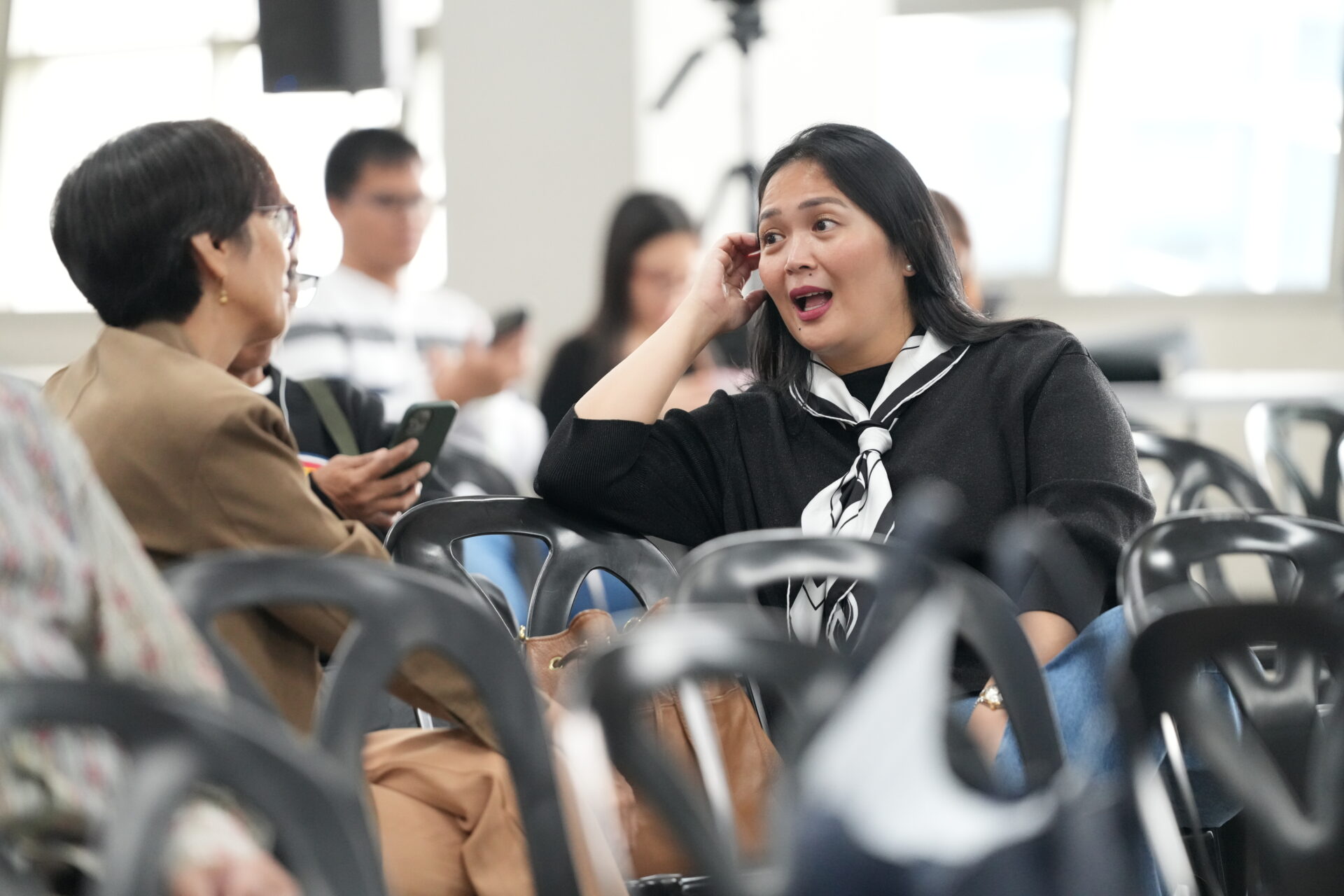
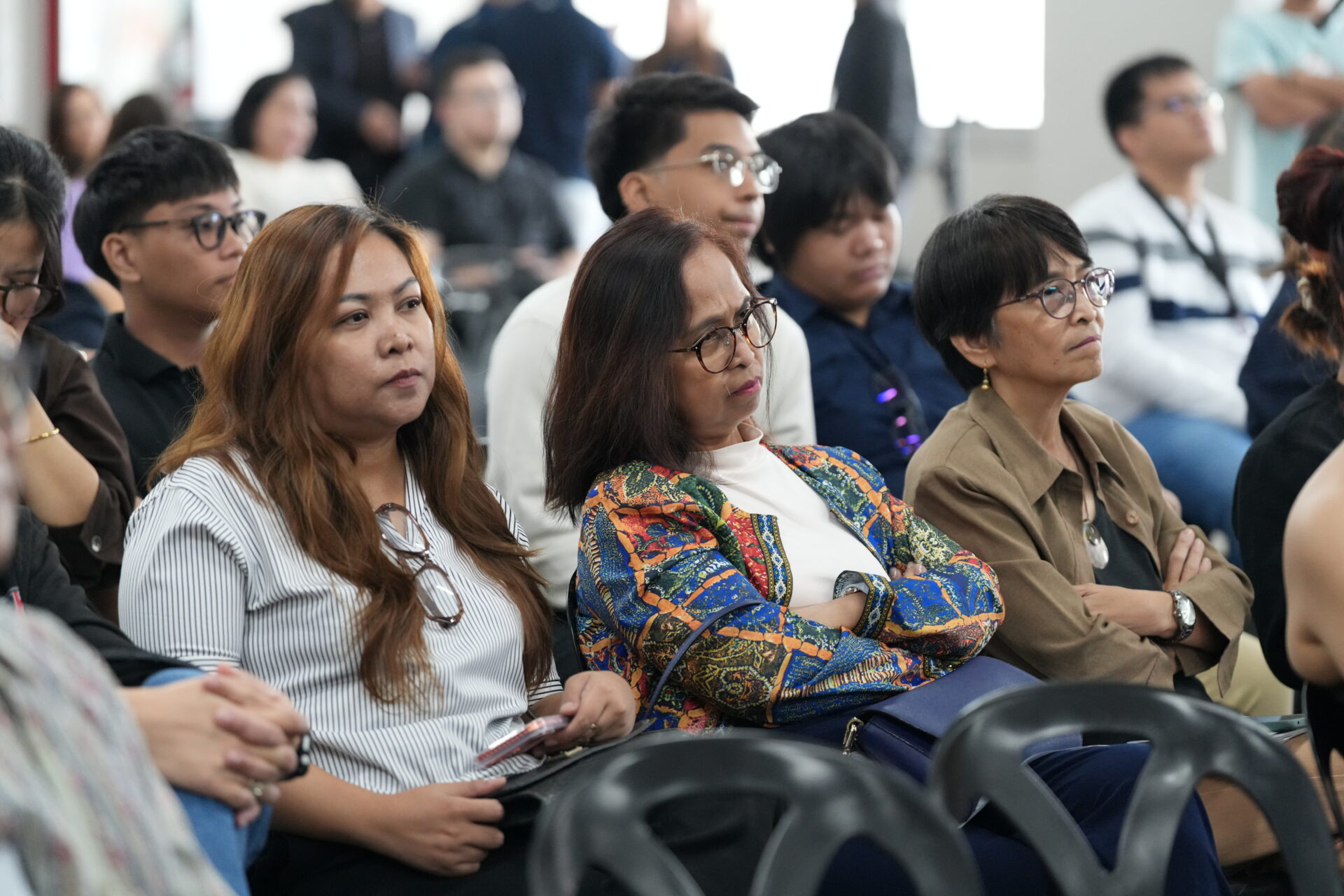
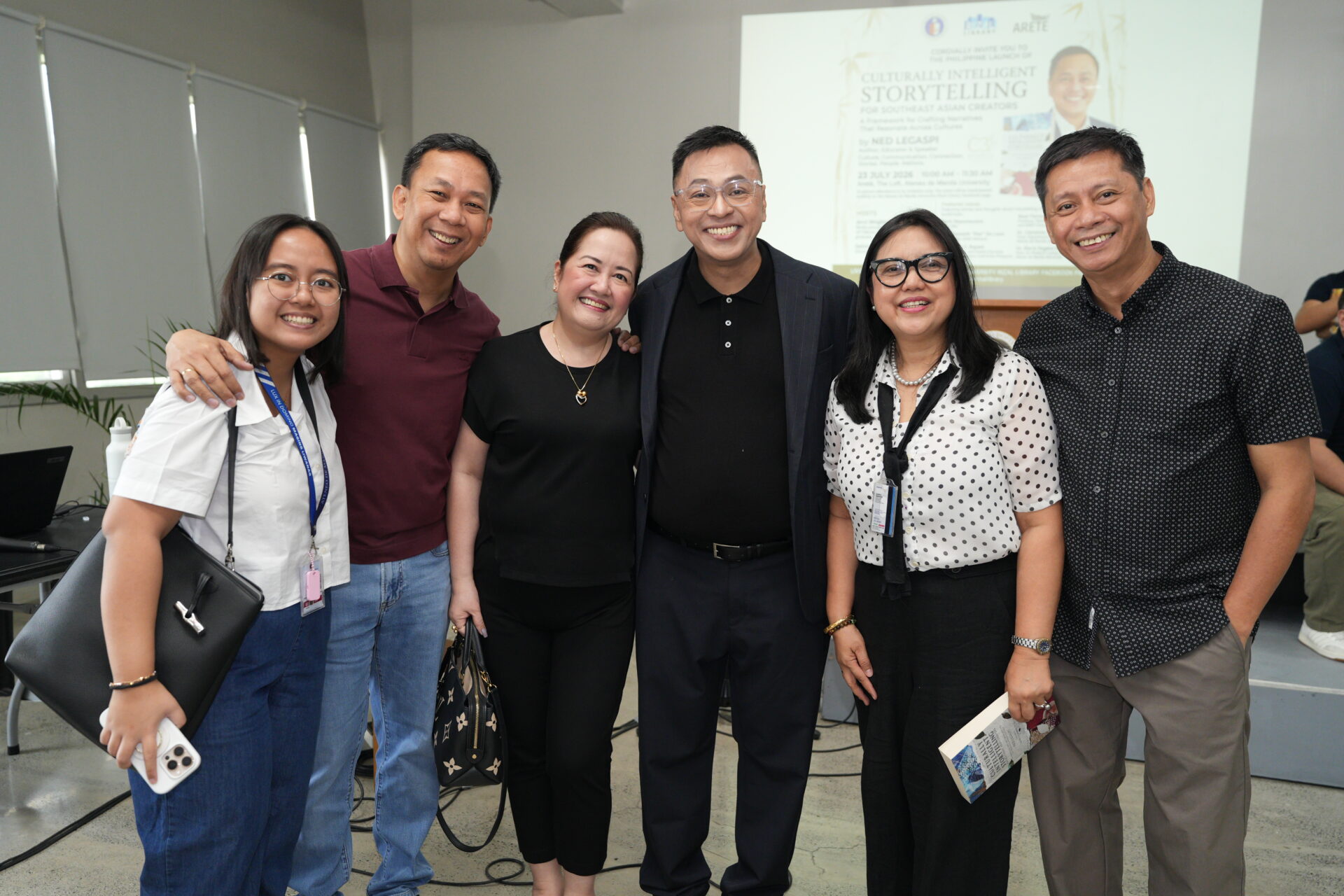
A launch may celebrate a new book, but the people in the room often carry much older stories. My sisters Rachelle, Shirley, and Marlene were there, with Niko and Robin seated behind them in the photograph. Our sibling Beng was also present, although not captured in this image. Not pictured are my brothers Alex, who lives and works in Dubai, and Mark, who lives in the southern part of Metro Manila. The book had traveled far, but this milestone became deeply personal in the presence of family.
Friendships across the years
I was also grateful to see longtime friends from UP SAMASKOM, including Batchy Batchitos, our close barkada within Batch 90.1. They knew me long before this book existed.
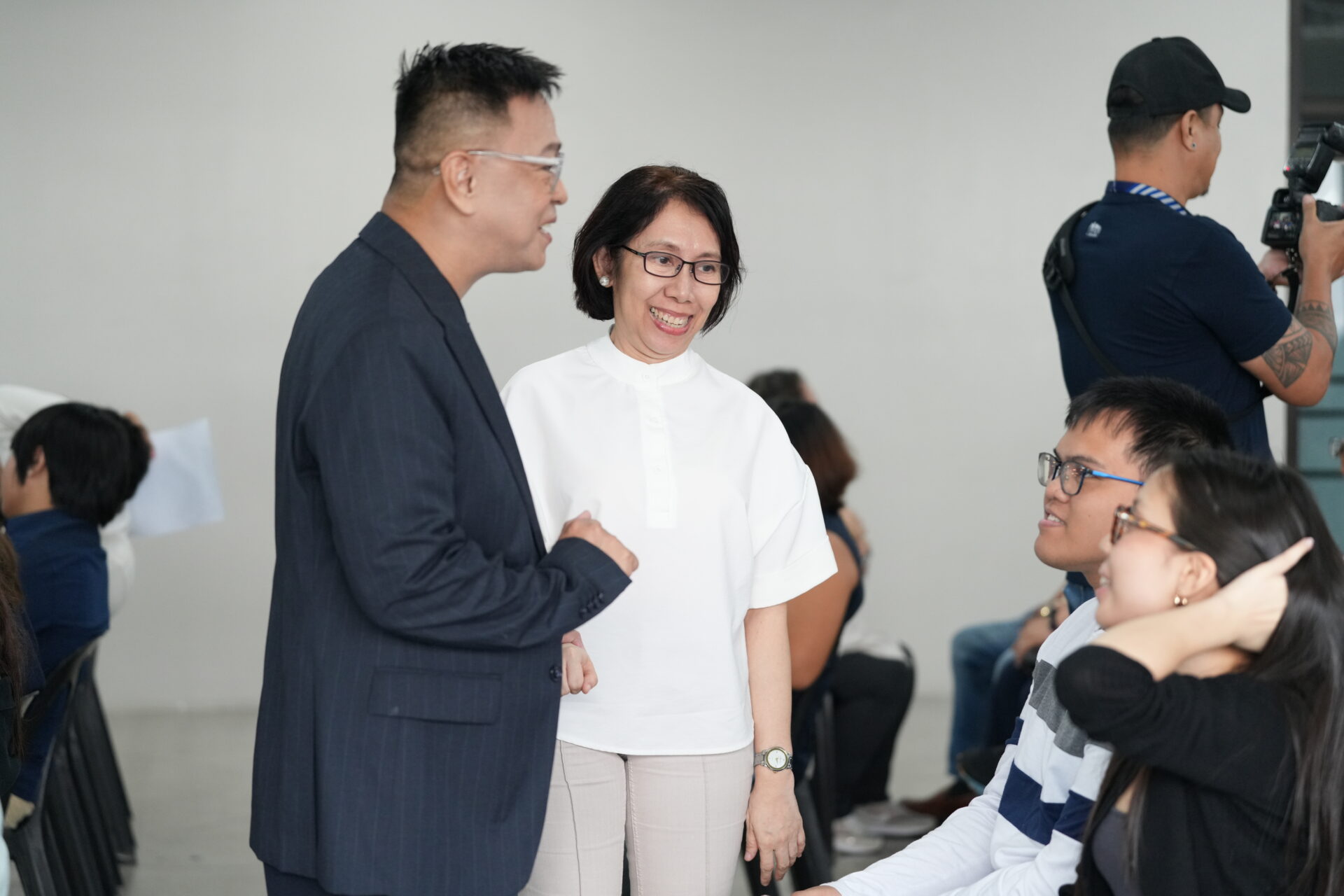
Meanwhile, some connections made the gathering feel wonderfully small. My best friend from elementary school, Lanie Fadriquela, came with her husband, Nestor, and their daughter, Mia, my inaanak or goddaughter. Standing with us were my colleague Dr. Leni Hernando of the Ateneo Department of Communication and her husband, who happens to be Nestor’s best friend. Small world, indeed.
I also want to thank my college friend Aileen Carreon, a public relations professional who generously helped with the event’s media outreach. Her support helped bring the book and its ideas into conversations beyond the launch venue.
With gratitude
Ned Legaspi would like to thank the special friends and partners who supported the event.
Ana Pama-Pratap
Jay Diaz
JC Catibog
Ka Emy Remigio L. De Guzman
Lanie Fariquela
Ofelia Szell
Paulo Gavino
Roel Michael Legaspi
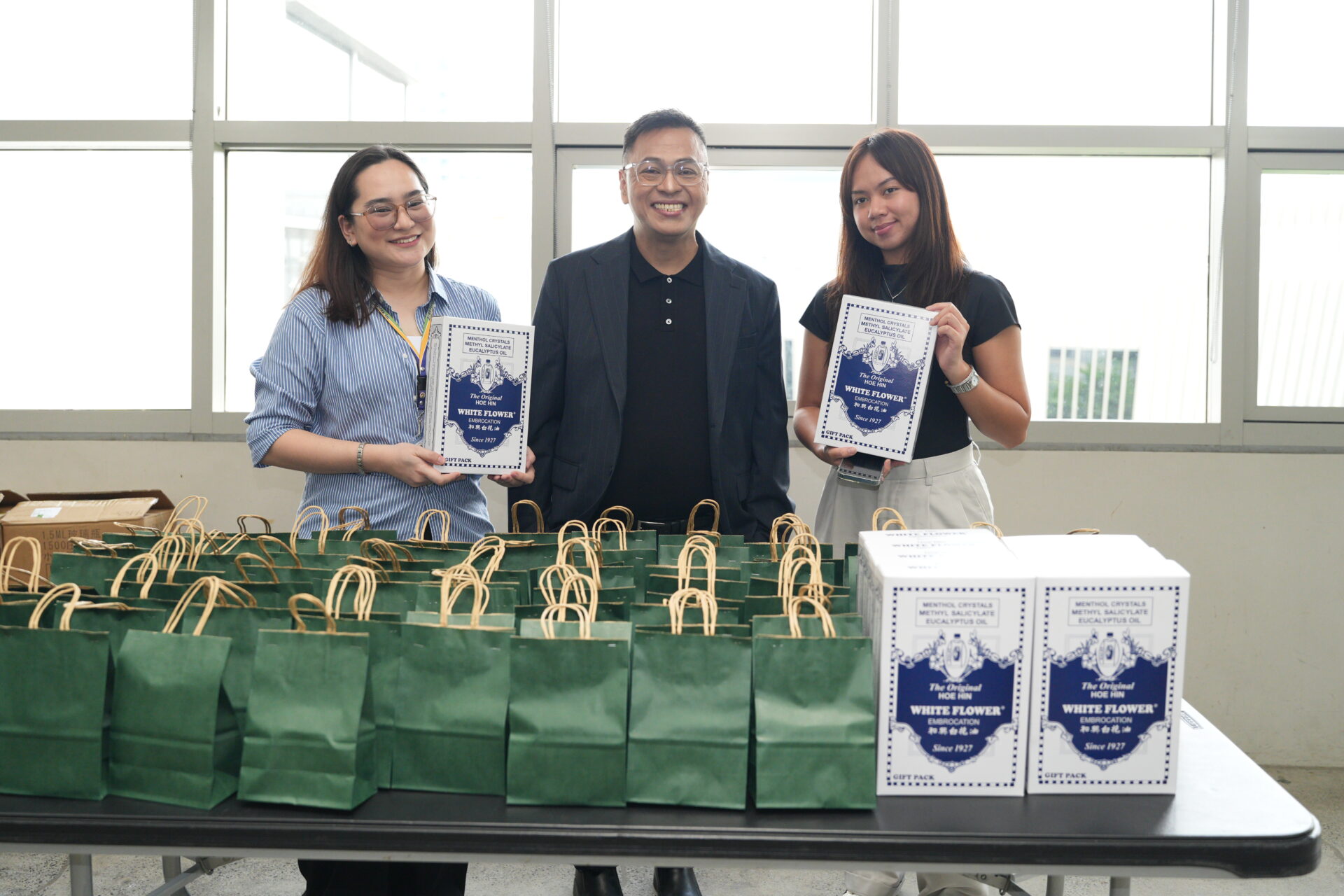
Thank you to Buddy Caramat of Manulife for the Manulife ballpen giveaways. Thank you as well to Jelma Philippines, together with Dei Bayna, Mars Narcida, Lucy Mayo, Chin Ferrer, and Will Ke, for providing giveaways for all attendees and gift packs for the hosts and speakers.
Special thanks to
Syrhyl Opinion
Merwin de Mesa of Luc1d
Erickson Floresca for the photography
Dindo Parco Pingol and John Ron for the video coverage
Kitchen City for the pre-packed meals
Vince Manese
Ava Albino
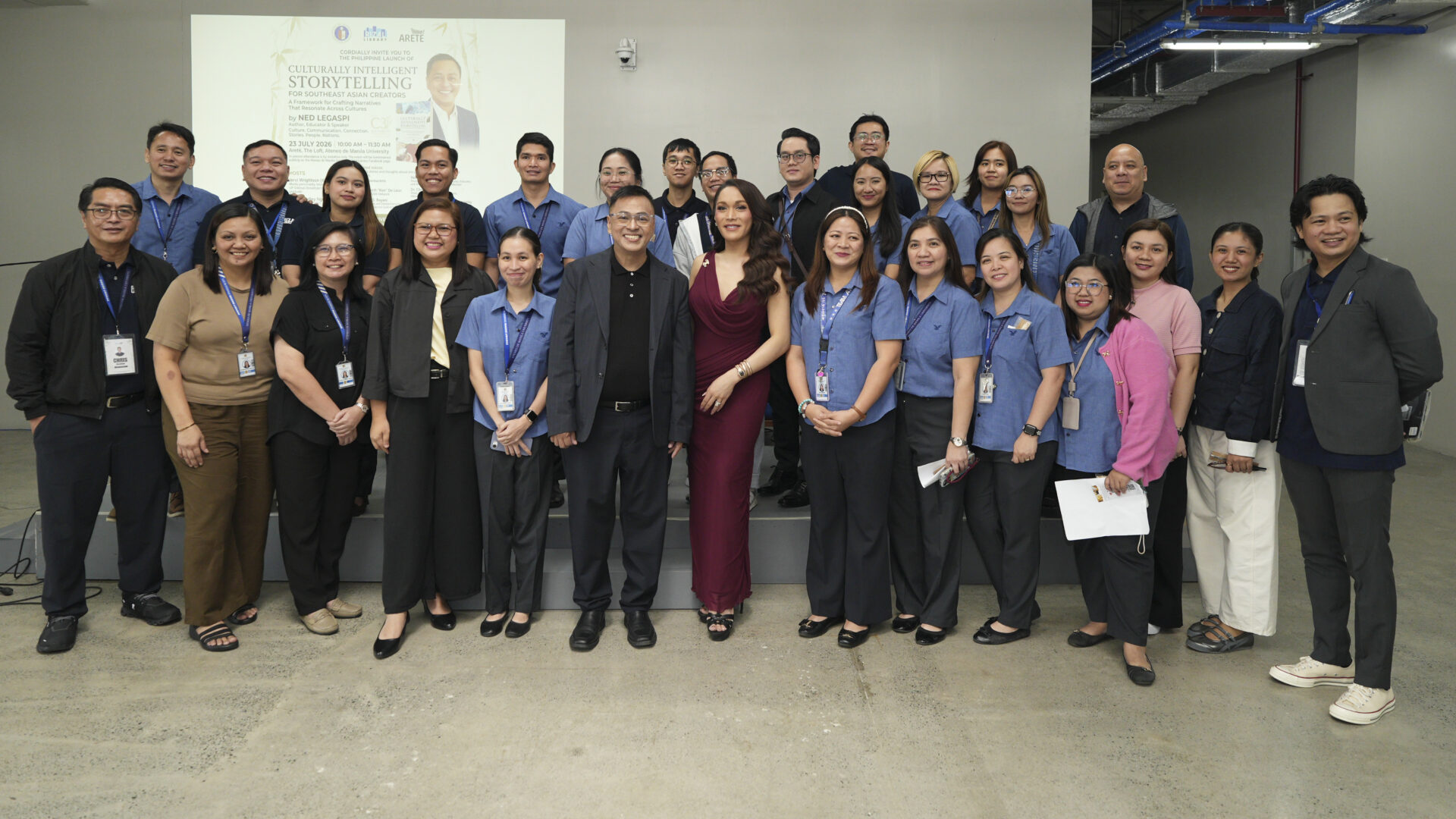
Special thanks as well to Simplicitive Ventures, Inc., the official Philippine distributor of Culturally Intelligent Storytelling for Southeast Asian Creators. For bulk orders, email [email protected].
Continue the journey
Discover the framework behind the conversation.
Culturally Intelligent Storytelling for Southeast Asian Creators is for writers, filmmakers, media professionals, educators, communication leaders, and anyone who wants locally grounded stories to connect meaningfully across cultures.
Download a free sample preview
Read a sample and begin exploring how culture shapes the stories we tell, the way audiences receive them, and the connections stories can create.