

A book can be finished quietly, one page at a time. But there comes a moment when it has to leave the writer’s hands and meet the world. For Culturally Intelligent Storytelling for Southeast Asian Creators, that moment came in Santa Monica, California.
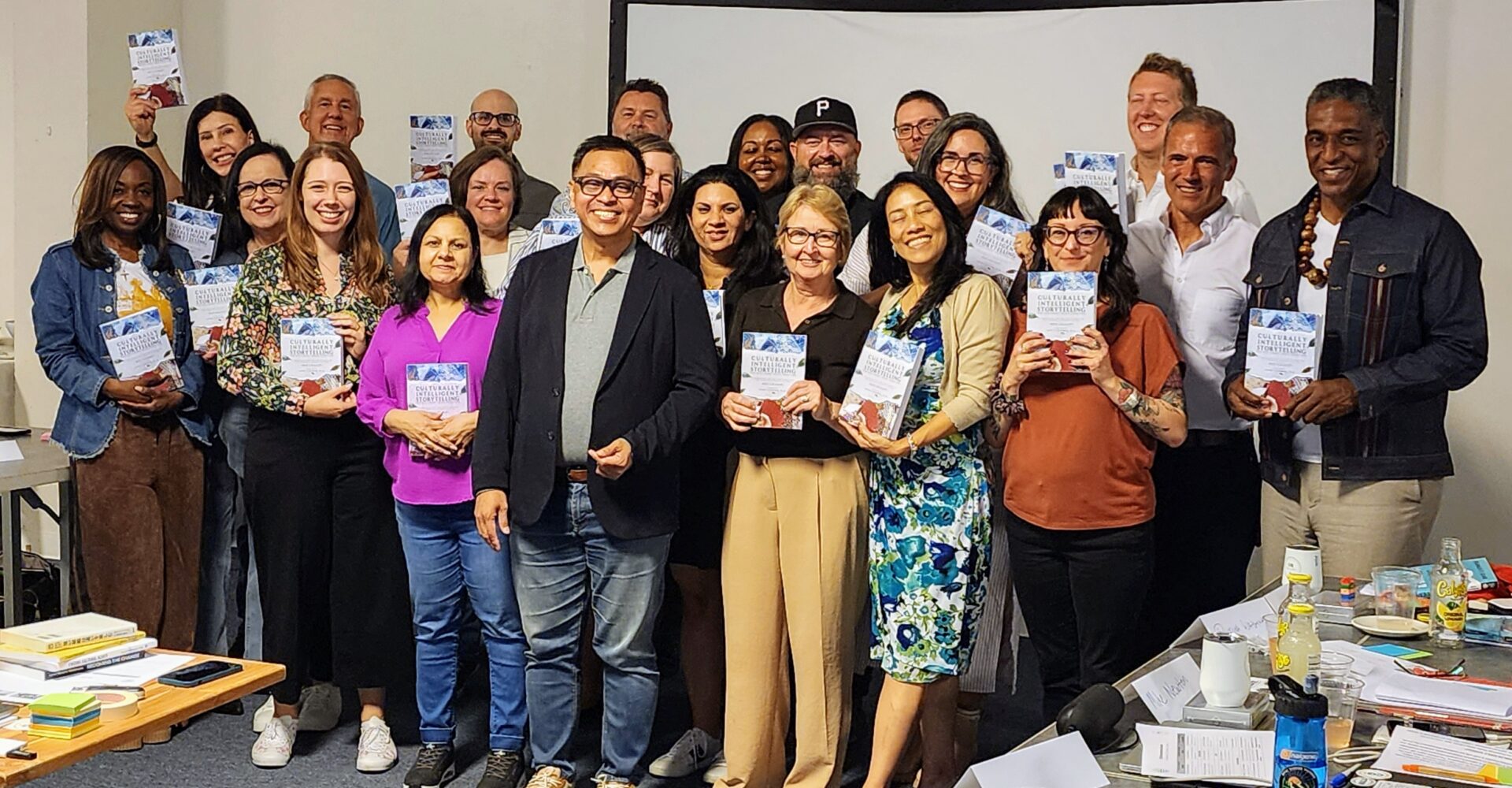
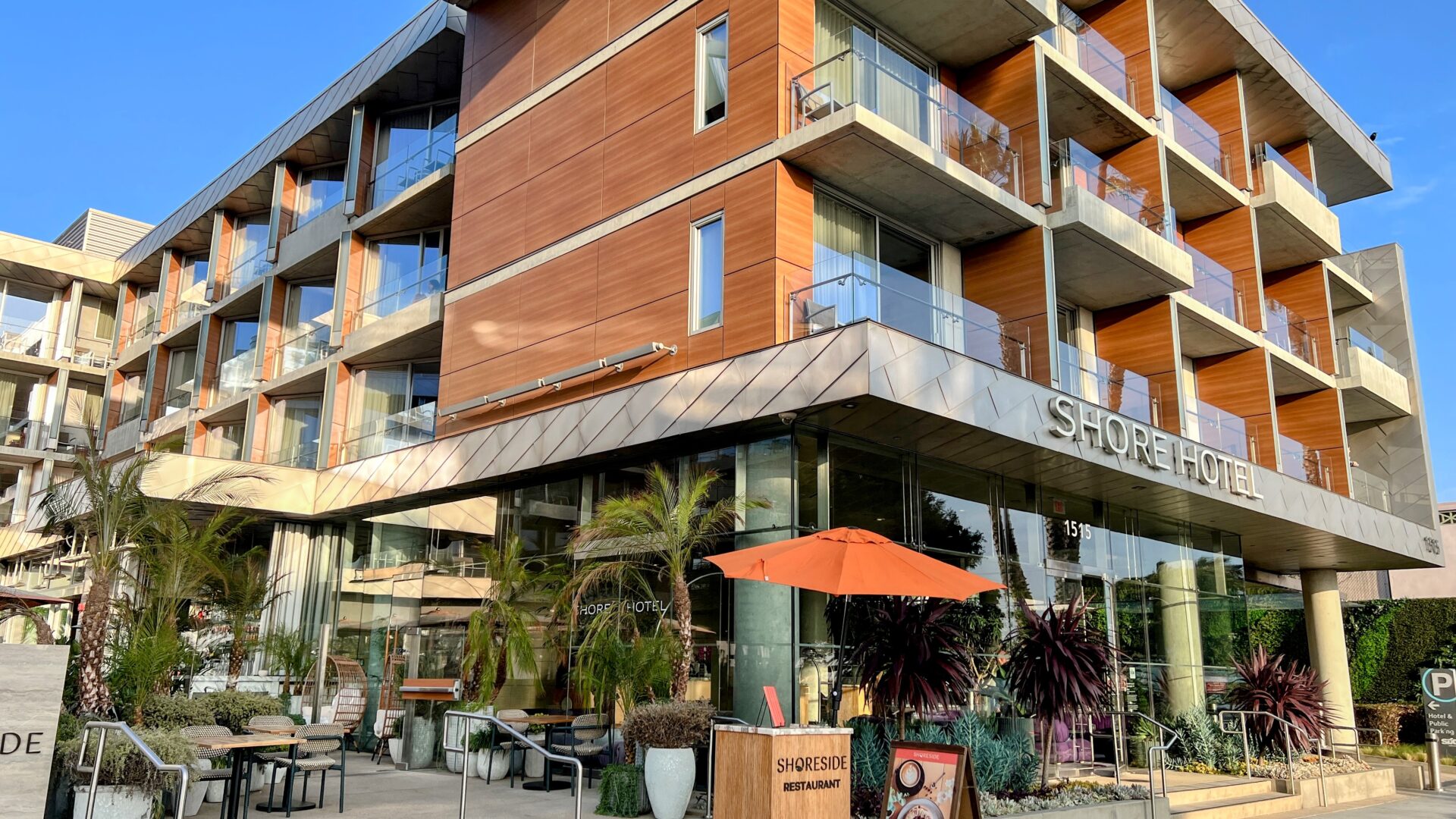
On November 4, 2025, I launched the book internationally at the Shore Hotel during the annual CQ Fellows Retreat. Cultural Intelligence Fellows came from different parts of the world, bringing work shaped by many professions, cultures, and lived experiences.
The retreat was the right place for the book to begin its public journey. The CQ Fellows program, led by cultural intelligence scholar Dr. David Livermore, helps practitioners apply cultural intelligence to a specific field. In my case, that field was storytelling, especially the challenge of creating stories that can cross cultures without losing the culture that gave them life.
Six books, six ways of applying cultural intelligence
My book was one of six new works presented at the CQ Fellows International Book Launch. Each book showed how cultural intelligence could move beyond theory and become part of real-world practice.
For me, that meant asking a question that had followed me through three decades in global media: How can Southeast Asian creators connect with audiences across cultures without flattening, translating away, or apologizing for who they are?
The answer I offered was the CIS Bamboo Framework. Its four stages, StoryRoot, StoryCraft, StoryPulse, and StoryLeaf, guide creators in grounding a story in cultural identity, shaping it with intention, reading the audience and context, and allowing it to grow beyond its place of origin.
“This book is a way of reclaiming our place in global storytelling.”
I said those words before the launch, and I still believe them. Southeast Asian stories do not have to become less Southeast Asian to travel. They need cultural grounding, creative discipline, and the intelligence to meet people across difference.
A beginning, not a finish line
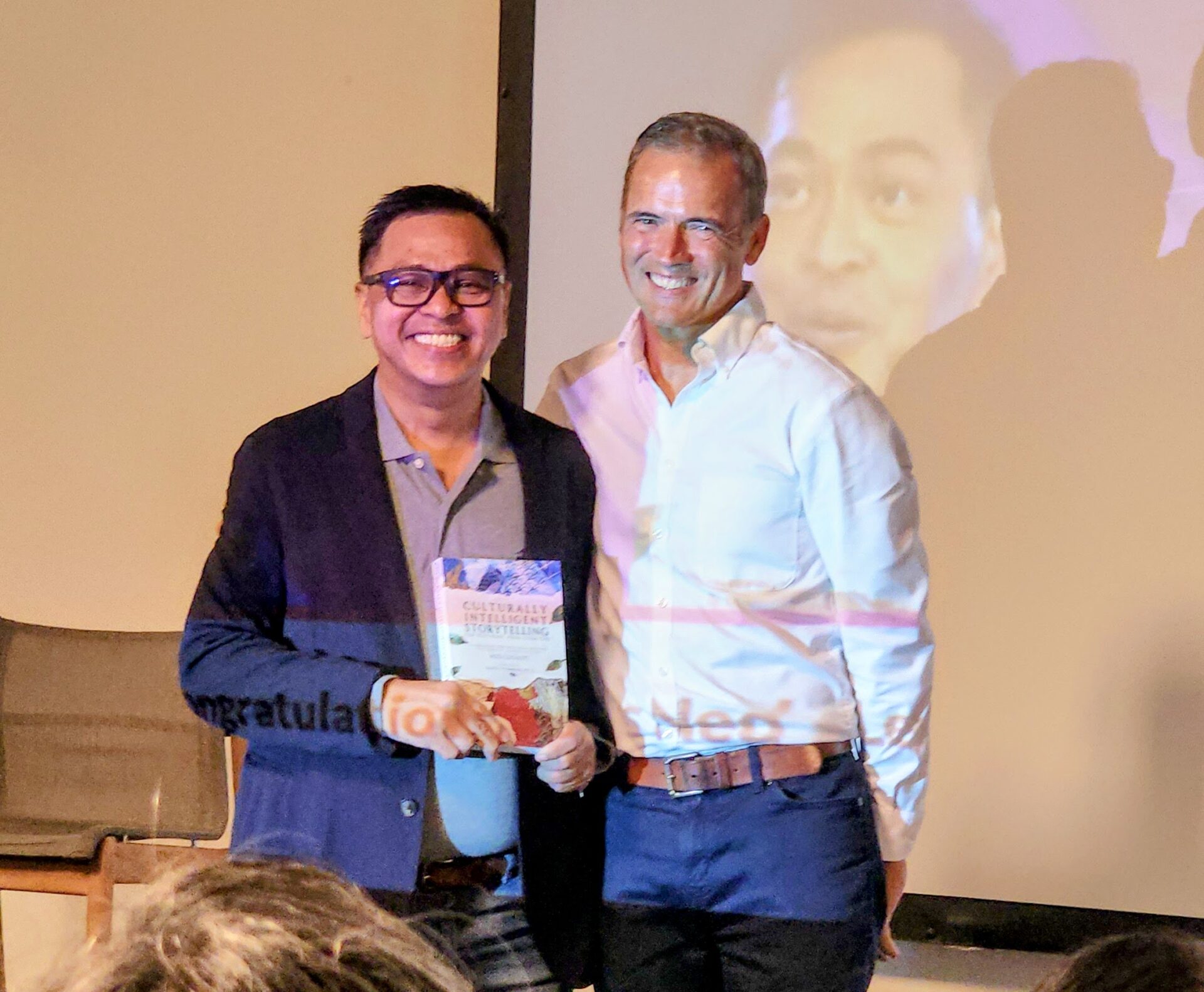
The launch also marked my debut as an international author. That description sounds like an arrival, but the day felt more like a beginning. The book had entered the company of people who were using cultural intelligence in education, leadership, business, healthcare, and other fields. It was no longer only my manuscript. It had become an invitation to test the framework, question it, teach it, and use it.
There was something fitting about beginning in Santa Monica, beside the Pacific. Across that same ocean was Southeast Asia, the region whose stories, histories, and creative traditions shaped the book. The distance made the purpose clearer: a story can travel far and still remain rooted.

The first community that received the book
I remain grateful to David and to the CQ Fellows community for giving the book its first international home. Their questions, encouragement, and work across cultures formed the larger conversation into which the book was launched.
I am also grateful to everyone who helped bring the book from an idea to a published work, and to the readers who began carrying it into their own classrooms, teams, creative practice, and communities.
Santa Monica was the first of three launch cities. The journey would continue in San Francisco, where the book met a Filipino and Filipino American community, and later at the Philippine launch at Ateneo de Manila University, where it came home. Each launch would have a different character. This first one gave the book the courage to step into the world.
This launch was covered by ABS-CBN Lifestyle and The Filipino Correspondent Network North America.