

How a question about stories grew into a wider framework for Culture, Communication, and Connection across Stories, People, and Nations
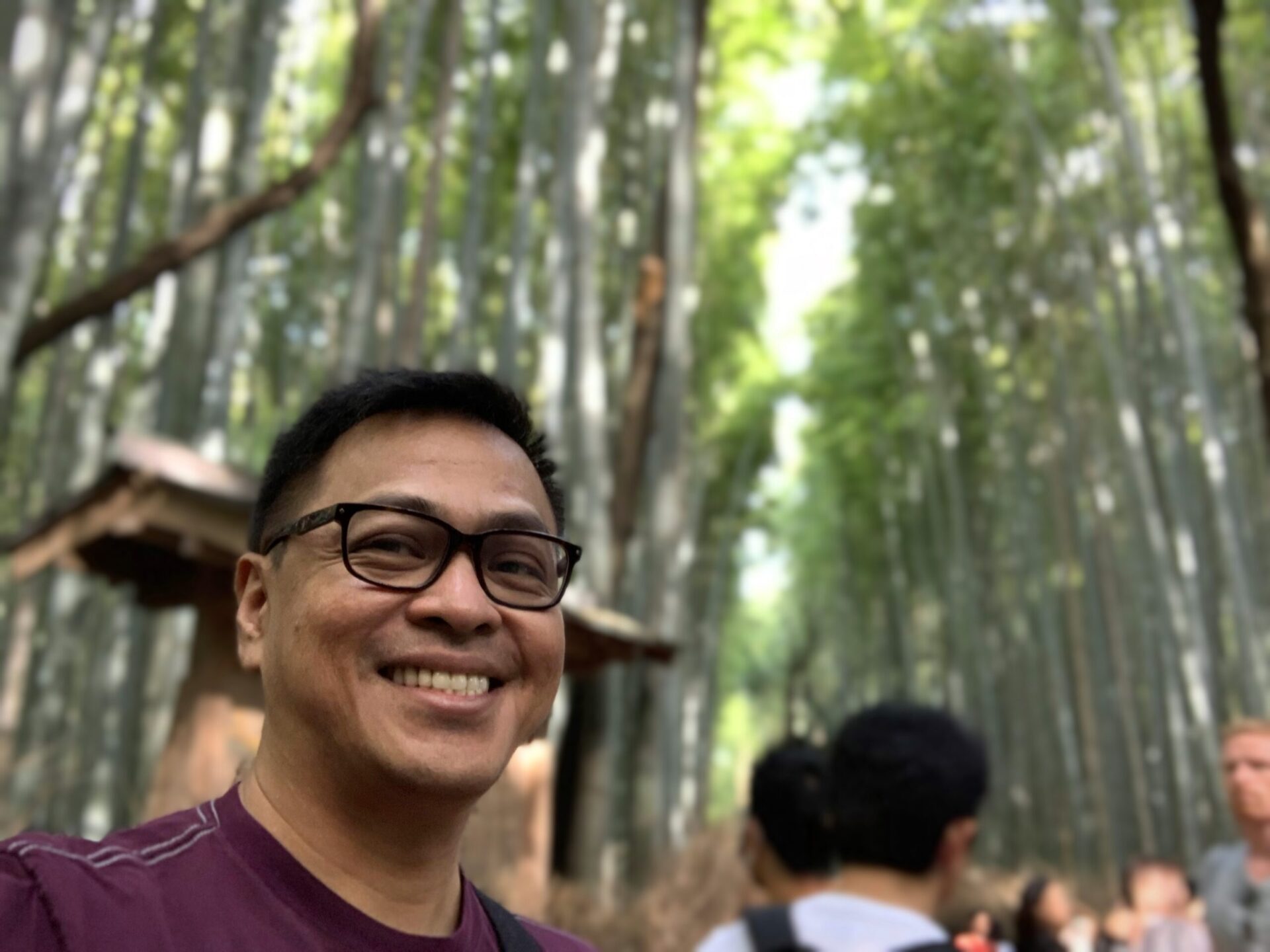
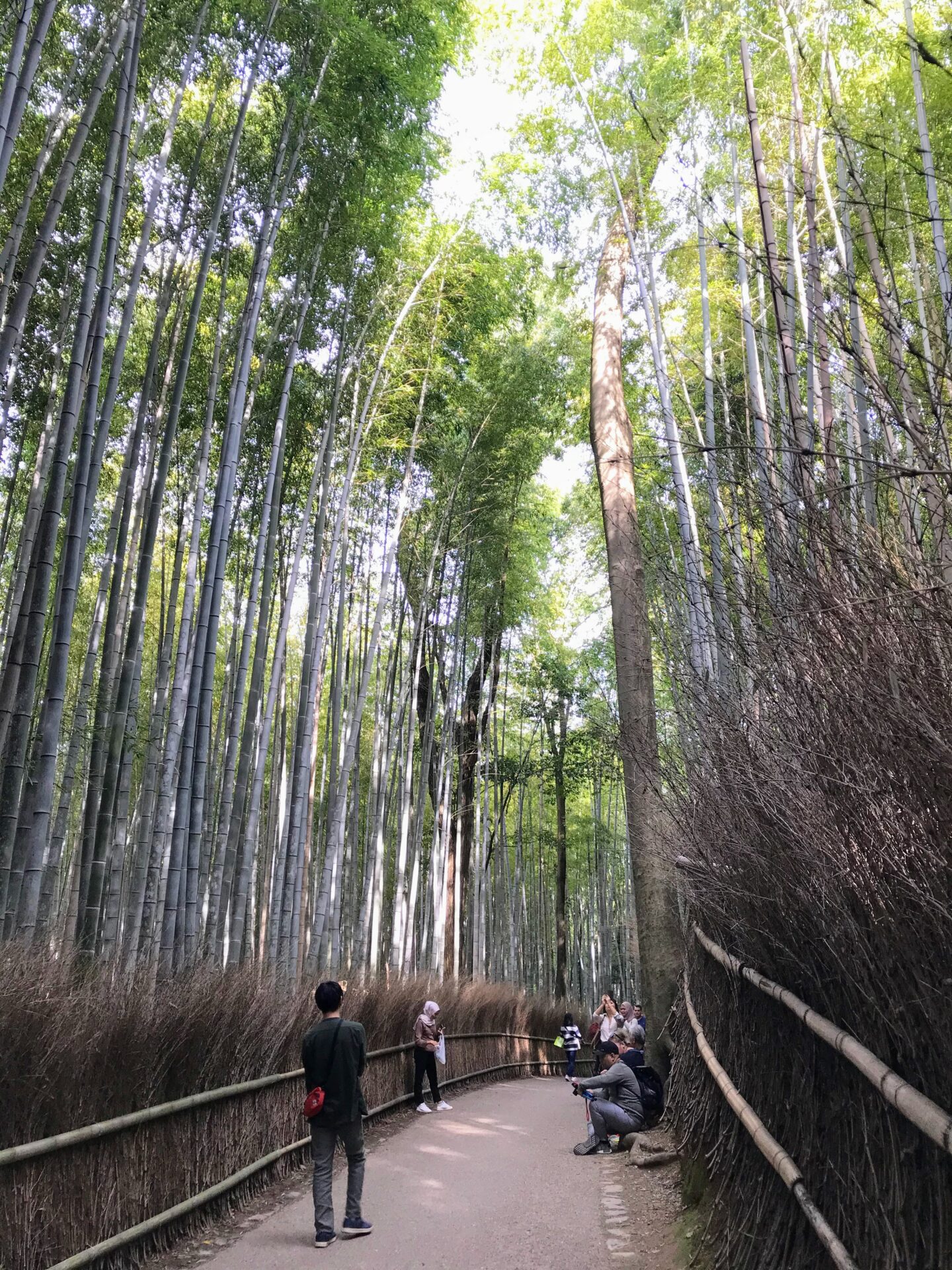
Arashiyama Bamboo Forest, Kyoto, October 28, 2019. I was still working in international media. The CIS Bamboo Framework did not yet exist, and the idea of a larger C3 Bamboo Framework had not entered my mind. Years later, a forest like this would appear in a dream and give my work its central image.
Walking Through Bamboo
The Arashiyama Bamboo Forest changes your sense of scale.
Tall bamboo stalks rise on both sides of the path and form a green canopy above. Sunlight passes through the leaves. When the wind moves across the grove, the stalks sway and touch one another, creating a soft sound that seems to travel through the forest.
Visitors try to capture the place in photographs, although the experience is difficult to reproduce. A camera shows separate stalks. Standing there, you feel the presence of the whole grove.
Most of what you see is above the ground. The system supporting it remains hidden below.
When this photograph was taken in 2019, I had not written Culturally Intelligent Storytelling for Southeast Asian Creators. I was a tourist enjoying a beautiful place.
Now, the photograph feels connected to an idea that was already waiting for me.
A Question About Stories
For much of my thirty-year career in international media, I kept asking how stories travel.
I worked with Filipino content made for audiences in different parts of the world. We could distribute a program overseas and place it on a channel or platform. That did not always mean the story would connect with the people watching it.
Some stories travelled easily. Others needed more explanation. A character could be admired by one audience and judged by another. An adaptation could make a story easier to understand while also weakening the cultural details that gave it life.
I wanted to know why this happened.
In 2018, I discovered the work of Dr. David Livermore on Cultural Intelligence, or CQ. The concept had been used in leadership, business, education, diplomacy, healthcare, and other fields where people work across cultures.
I began to wonder whether CQ could also be useful in storytelling.
Cultural values might help explain why audiences read the same character in different ways. They could also help creators think more carefully about adaptation, audience expectations, and the cultural meaning carried by a story.
The idea stayed with me while I was still working.
After my retirement, I was accepted into the CQ Fellows Program and finally had the time and structure to study the question more deeply.
Finding a Community for the Work
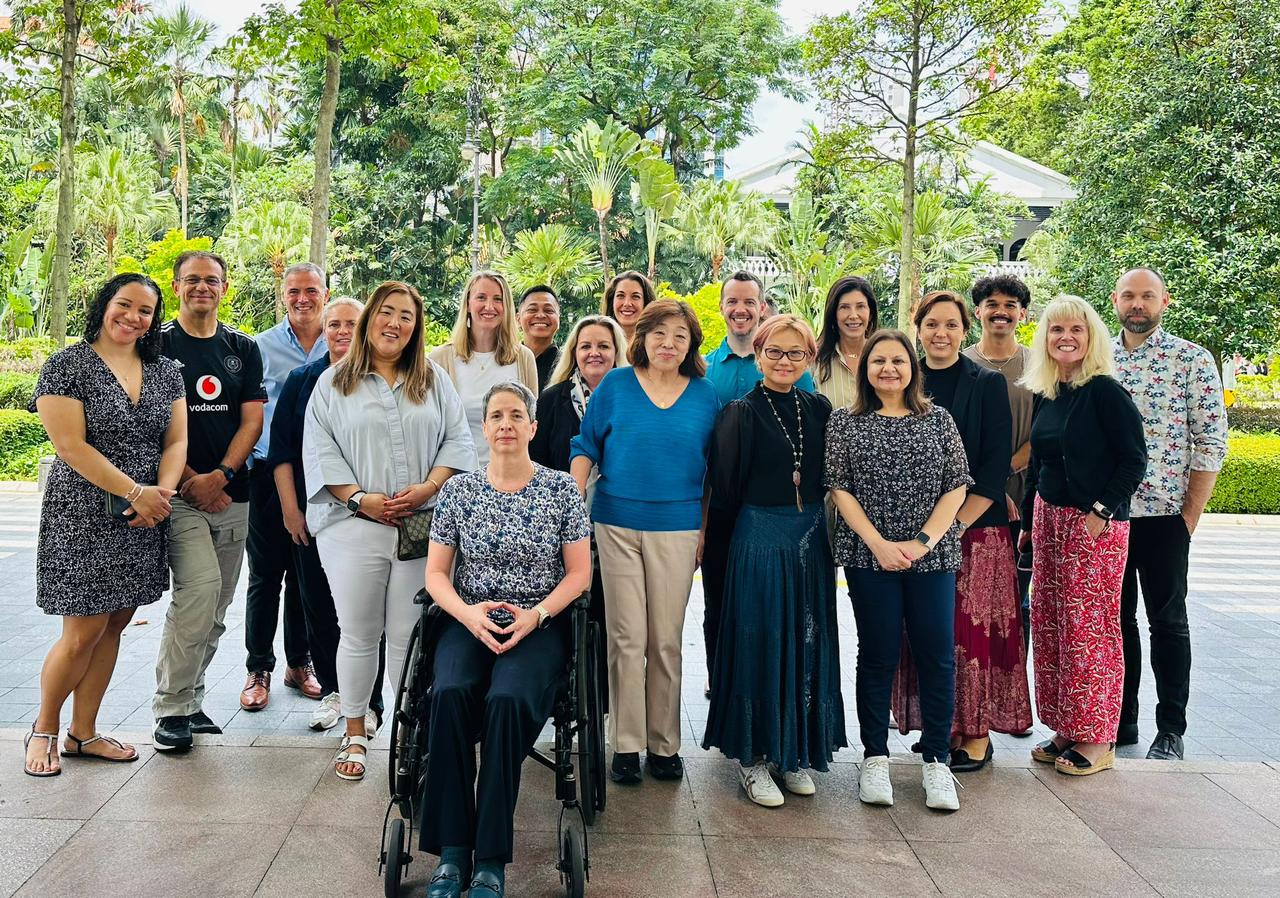
On March 13, 2024, I joined the 2024 CQ Fellows cohort for our retreat in Singapore.
The Fellows came from different countries and professional fields. Each person was exploring how Cultural Intelligence could be applied within a particular area of work.
Being part of that community gave me confidence that my question about stories could contribute to a wider discussion. Culture affects the way people understand meaning, respond to one another, and build relationships across difference.
My starting point would be storytelling.
The research became the basis of Culturally Intelligent Storytelling for Southeast Asian Creators.
While writing the book, I faced another problem. I had many useful concepts, yet I still needed a clear way to connect them.
Looking for a Framework
Cultural Intelligence gave me a strong foundation.
The Iceberg of Culture showed that the visible parts of culture are only a small part of the whole. Food, clothing, music, dance, and language are easy to notice. Beneath them are values and assumptions that shape how people understand family, authority, time, success, conflict, and emotion.
The cultural dimensions helped describe important differences among societies. The global cultural clusters offered broad patterns for thinking about audiences.
These ideas helped explain how culture affects storytelling. I still needed a method that creators could use.
A framework had to connect cultural knowledge with the actual work of developing a story. It had to guide decisions about characters, conflict, dialogue, pacing, adaptation, and audience response.
I first considered the iceberg as the main image. It was already familiar within Cultural Intelligence, although it did not feel close enough to the Southeast Asian world I was writing about. Icebergs belong to a distant landscape.
I also considered a pyramid. Its fixed levels and strong hierarchy did not match the kind of process I wanted to describe.
I wanted an image that felt alive and culturally grounded.
The Dream
One night, I dreamt that I was walking through a bamboo forest that reminded me of Arashiyama.
Tall stalks surrounded the path. Light passed through the leaves. I remember the feeling of being inside a living system, with every part linked to something beyond what I could see.
When I woke up, the word “bamboo” came to me.
The metaphor felt right almost at once.
Bamboo grows throughout Southeast Asia. It appears in houses, furniture, tools, food, music, dance, and crafts. It is part of daily life rather than an exotic symbol brought in from somewhere else.
Its strength comes from the way it grows. Bamboo is rooted below the ground, flexible in strong winds, and connected through rhizomes. A grove may look like a collection of separate stalks, even though much of its life is shared beneath the soil.
This gave me the conceptual scaffold I needed.
The CIS Bamboo Framework
The CIS Bamboo Framework follows the growth of a story from cultural grounding to audience response.
StoryRoot
StoryRoot examines the cultural foundations of a story.
These include the values, histories, relationships, beliefs, and experiences that shape its meaning. Like bamboo rhizomes, they are often hidden, although they nourish everything that appears above the surface.
StoryRoot asks creators to understand where the story comes from before deciding how far it should travel.
StoryCraft
StoryCraft is the stage where cultural understanding enters the creative process.
Characters, conflict, structure, genre, dialogue, and pacing are developed with greater awareness of culture. The aim is to protect the identity of the story while making intentional choices about how it will be told.
StoryPulse
StoryPulse considers where a story may find cultural and emotional resonance.
It looks at audience values and the kinds of meaning that may travel well across different contexts. It also accepts that a story does not need to appeal to every possible audience.
StoryLeaf
StoryLeaf focuses on what happens after the story reaches the public.
Audiences may remember, interpret, share, question, or adapt a story in ways the creator did not expect. Those responses become part of the story’s continuing life.
The four stages became a practical method for helping stories travel while remaining grounded in their cultural source. The book also develops a Bamboo Worldview based on rootedness, flexibility, interconnection, and resonance.
As I began speaking about the framework in other settings, I saw that its central ideas could also help explain experiences outside storytelling.
Returning to the Digital World
I have never been naturally drawn to social media. After taking early retirement in 2023, I spent the whole of 2024 on a digital detox. I stepped away from posting and from the pressure to remain visible online.
That changed in 2025, when Dr. David Livermore approved the first draft of my book. I realised that developing the CIS Bamboo Framework was not enough. If I wanted people to understand the work, I also had to help them discover it.
So I began posting about cultural intelligence.
One of the people who noticed was Janeth Zafra Mauricio, a former colleague and friend. She contacted me to ask what cultural intelligence was and what kind of work I was doing after retirement.
I told her that I had begun speaking about the subject.
Janeth worked at Cedars-Sinai. She explained that October was Filipino American History Month and that their team was preparing an event where healthcare professionals could earn continuing education credits. She asked whether I could speak about cultural intelligence and cross-cultural communication.
Her message opened the door that eventually brought me to Cedars-Sinai. It also placed the framework inside a professional environment where its usefulness could be tested beyond storytelling.
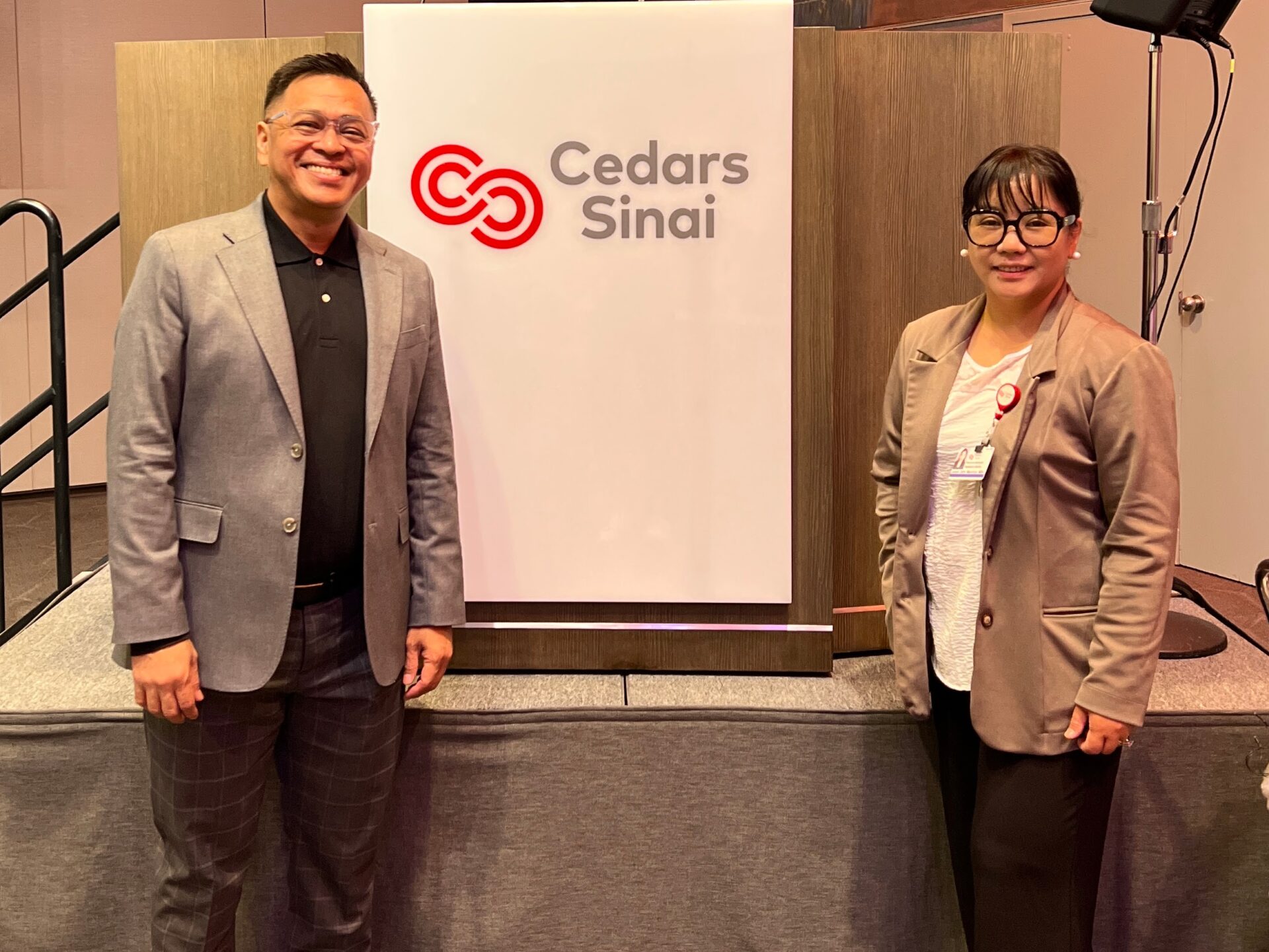
Without the return to social media, Janeth’s message may never have arrived. Without her invitation, the People lens might have taken a very different path.
A Conversation in London
In September 2025, I travelled to London to speak at SOAS University of London.
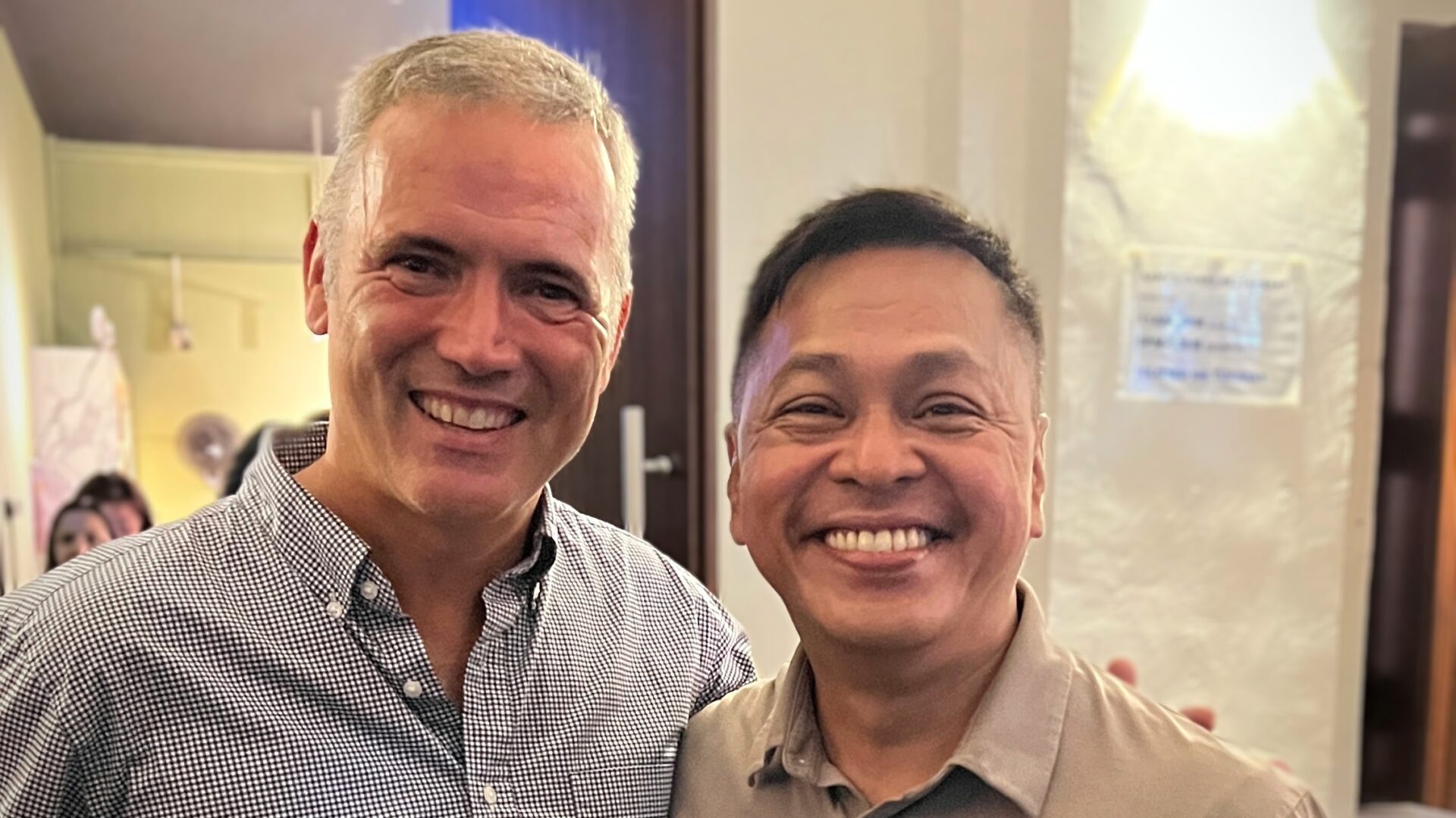
While I was there, I met two former colleagues from The Filipino Channel. Igi Bumagat had worked as an events specialist, while Luis Bariuan had served as an ABS-CBN Europe country manager.
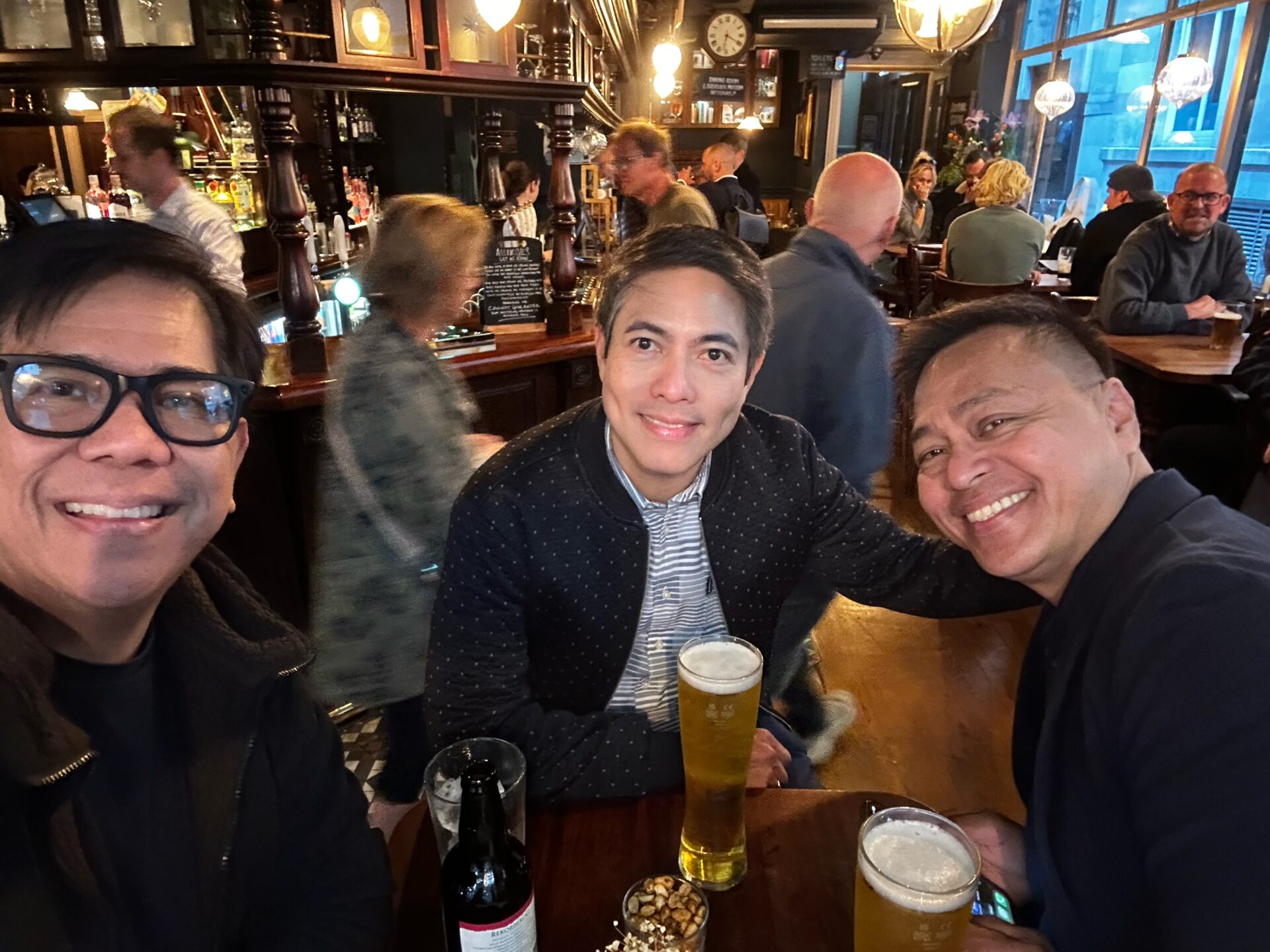
After dinner, Luis brought us to a bar in Leicester Square. During our conversation, he asked what I was doing after retirement.
I told him about my book on culturally intelligent storytelling. I also mentioned that Cedars-Sinai had invited me to speak the following month about Cultural Intelligence and cross-cultural communication in healthcare.
Luis immediately connected the idea to Filipino nurses and caregivers working in Europe.
He suggested that the work might also help non-Filipino administrators understand their Filipino staff. Many employers already recognised Filipino healthcare workers as skilled and caring. They might know less about the cultural values affecting how Filipinos communicate, relate to authority, participate in groups, and handle disagreement.
His observation added another side to the problem.
Filipino professionals need skills for working across cultures. The organisations employing them also need to understand the cultural background of the people entering their workplaces.
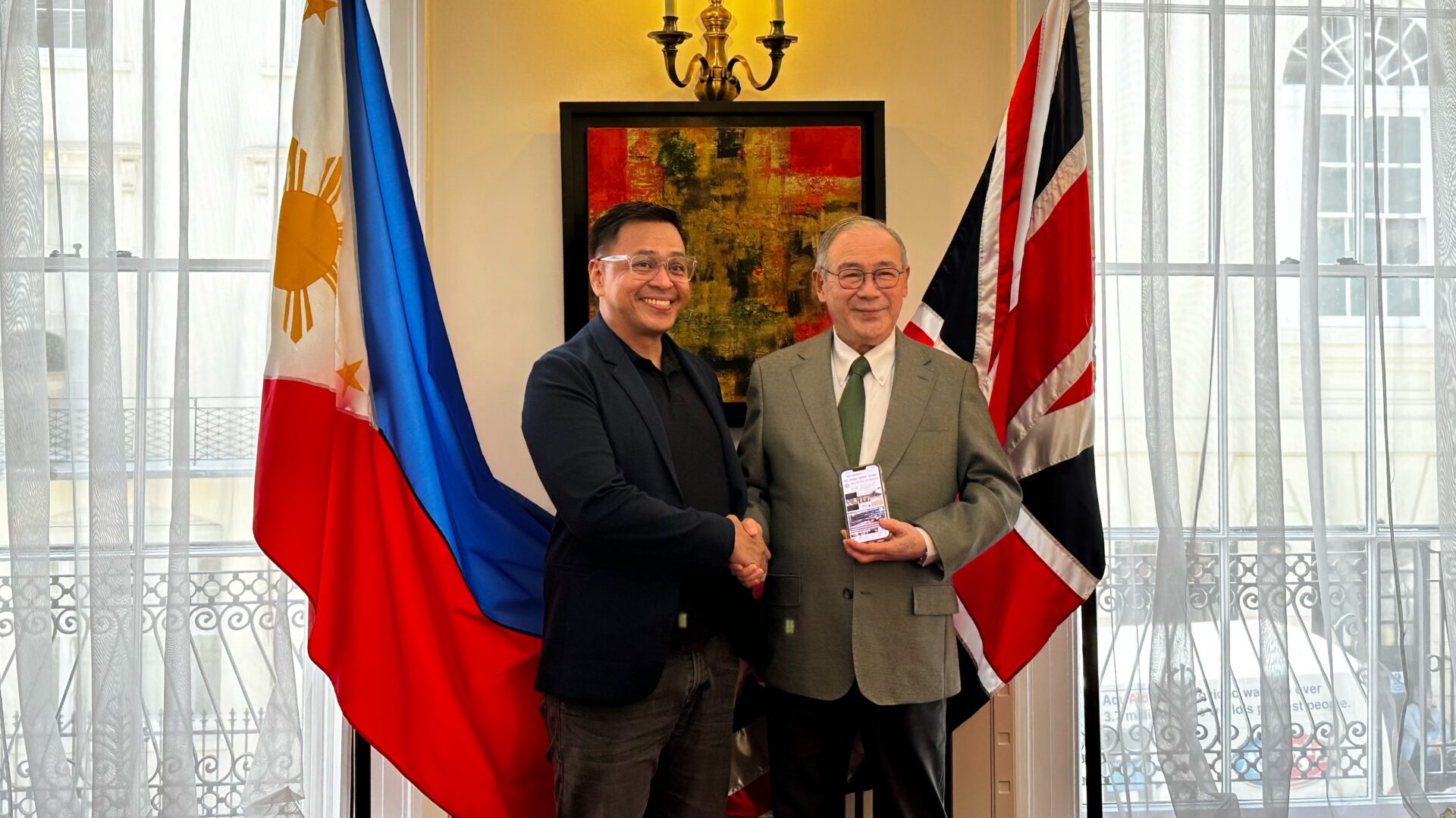
Luis then contacted someone at the Philippine Embassy and asked whether I could pay a courtesy visit to Ambassador Teodoro L. Locsin Jr. A time slot was confirmed within minutes.
Beyond Tinikling, Pancit, and Beauty Pageants
The following day, Igi, Luis, and I visited the Philippine Embassy in London. We met Deputy Chief of Mission Raphael S. C. Hermoso and Ambassador Locsin.
The meeting also brought me back to an earlier part of my career.
I began at ABS-CBN as a writer and later became head writer of several programs. Ambassador Locsin had been one of the television hosts whose programs I handled. Our first professional connection came through broadcasting. Decades later, we were meeting again as I was building a new body of work around culture.
I told him about the book and the ideas behind Cultural Intelligence.
Our discussion moved toward Filipino culture abroad. Ambassador Locsin asked whether Filipino culture had become too closely identified with tinikling (the bamboo pole dance), pancit (a staple Filipino noodle dish), and beauty pageants.
The visible markers are important. They carry history, memory, and pride. They are also only part of culture.
The conversation reminded me of the iceberg.
Below the visible surface are Filipino ideas about family, hierarchy, obligation, faith, dignity, success, community, and identity. These values influence the way Filipinos live abroad and the way other societies understand them.
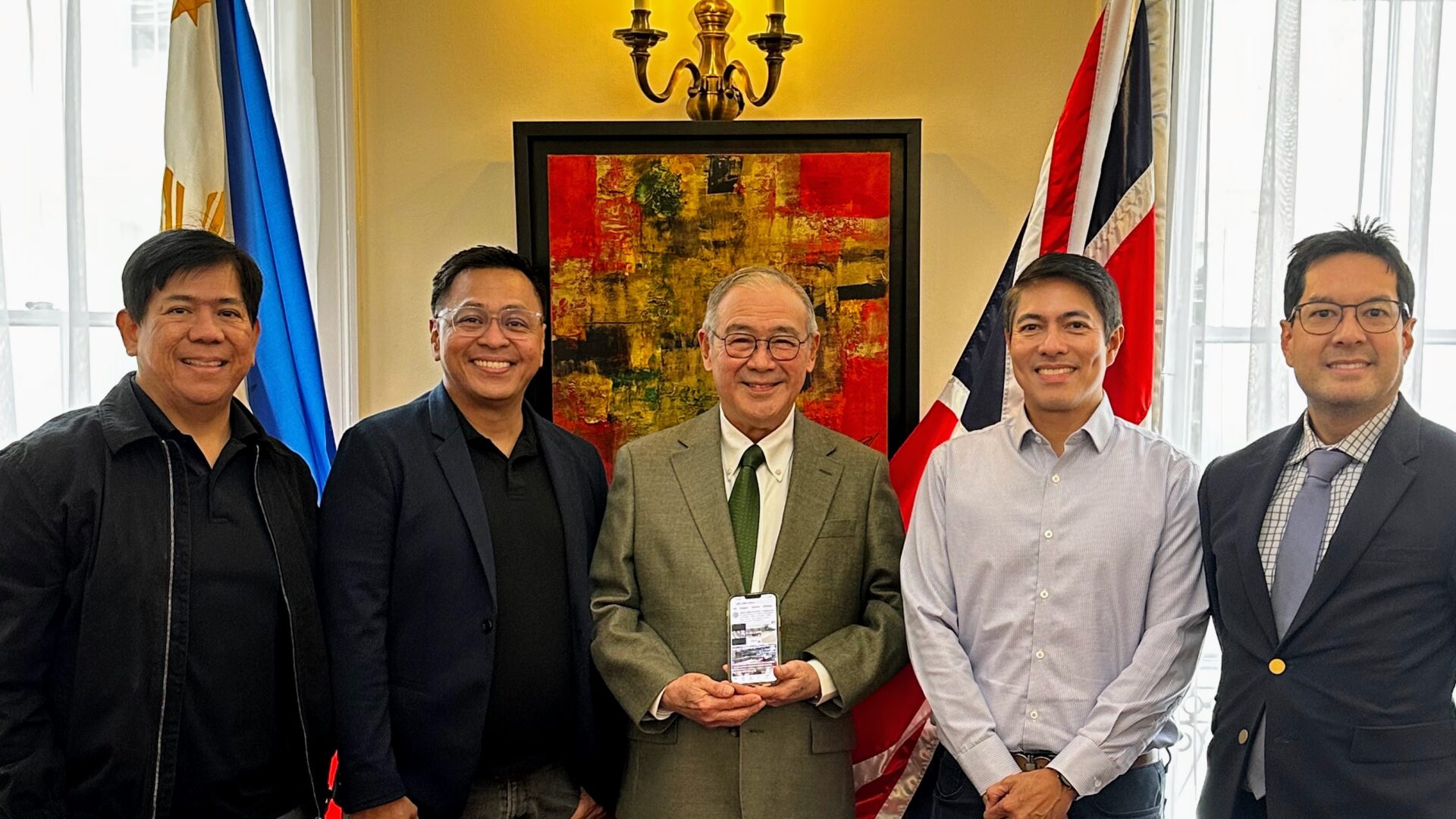
During that meeting, I began to see that Cultural Intelligence could also be useful at the level of nations.
Countries communicate through diplomacy, migration, cultural programs, institutions, media, and the daily lives of their citizens abroad. Other societies interpret those messages through their own history and experience.
Formal relations between countries do not guarantee understanding. A nation can present its culture without showing its depth. Diplomatic communication can remain clear on paper while trust stays weak in practice.
The idea was still developing, although the Nations lens had started to take shape.
The Cedars-Sinai Turning Point
A month later, on October 28, 2025, I delivered the Cedars-Sinai talk that Janeth had helped make possible and that Luis and I had discussed in London.
The moment brought together several strands of the journey: David Livermore’s approval of the book draft, my reluctant return to social media, Janeth’s invitation, and the London conversation that widened my understanding of the problem.
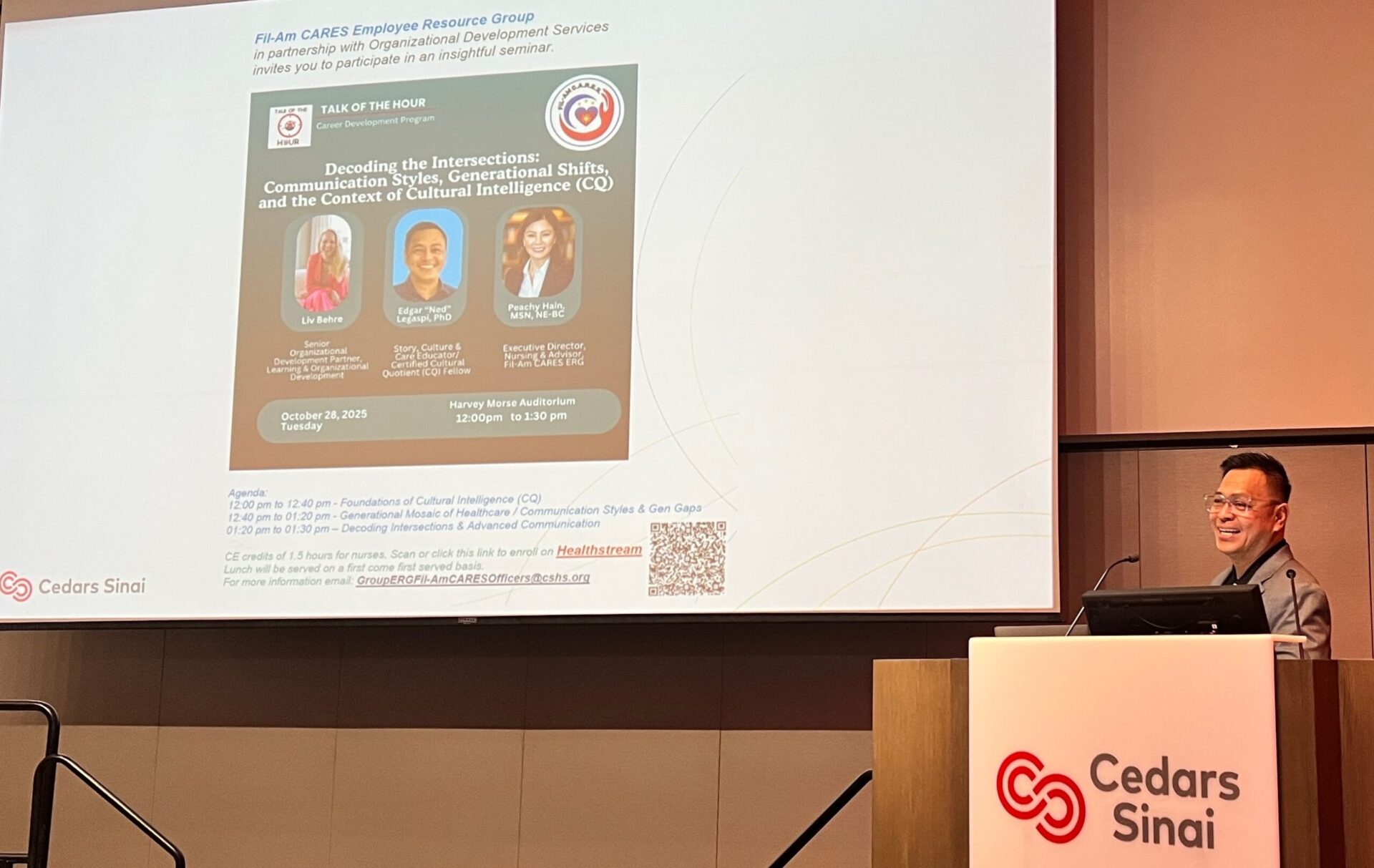
The audience included healthcare professionals, many of them Filipino.
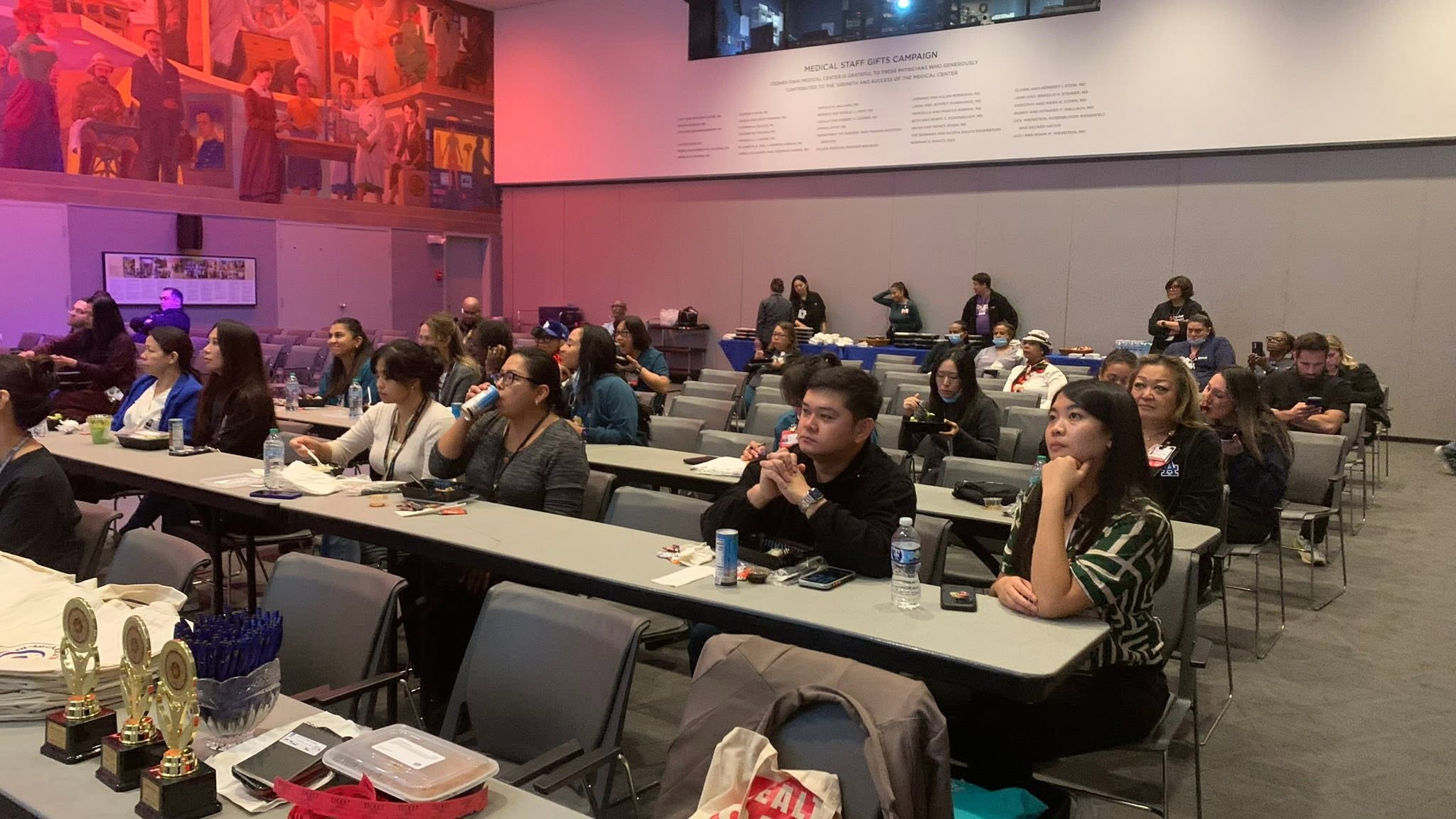
I spoke about cultural dimensions that could affect professional life.
One was identity. Individualist cultures often expect people to speak for themselves and make independent decisions. Filipinos may place greater weight on the group, relationships, and harmony.
Another was authority. Filipino professionals may be familiar with formal titles and clear hierarchy. In lower-power-distance workplaces, staff members may be expected to question decisions and speak directly to senior colleagues.
Communication style was also important. Filipinos often rely on tone, timing, implication, and relationship. Many American workplaces expect meaning to be stated more directly.
These tendencies can create misunderstandings when people do not recognise the cultural assumptions behind them.
A nurse who hesitates to challenge a doctor may be judged as passive. A carefully softened message may sound unclear to someone who expects direct language. A blunt response may feel disrespectful to someone who gives greater value to harmony and status.
After the session, a Filipino male nurse approached me. He said the discussion had helped him understand experiences from his own professional life.
He wanted to know how the concepts could be operationalised.
He was interested in their practical use during shifts, handovers, team discussions, and workplace conflict. His question moved the discussion from awareness to application.
The exchange made the need clearer.
Janeth had opened the institutional door. The nurse’s question showed what needed to happen once I stepped through it. Together, those two moments helped crystallise the People lens.
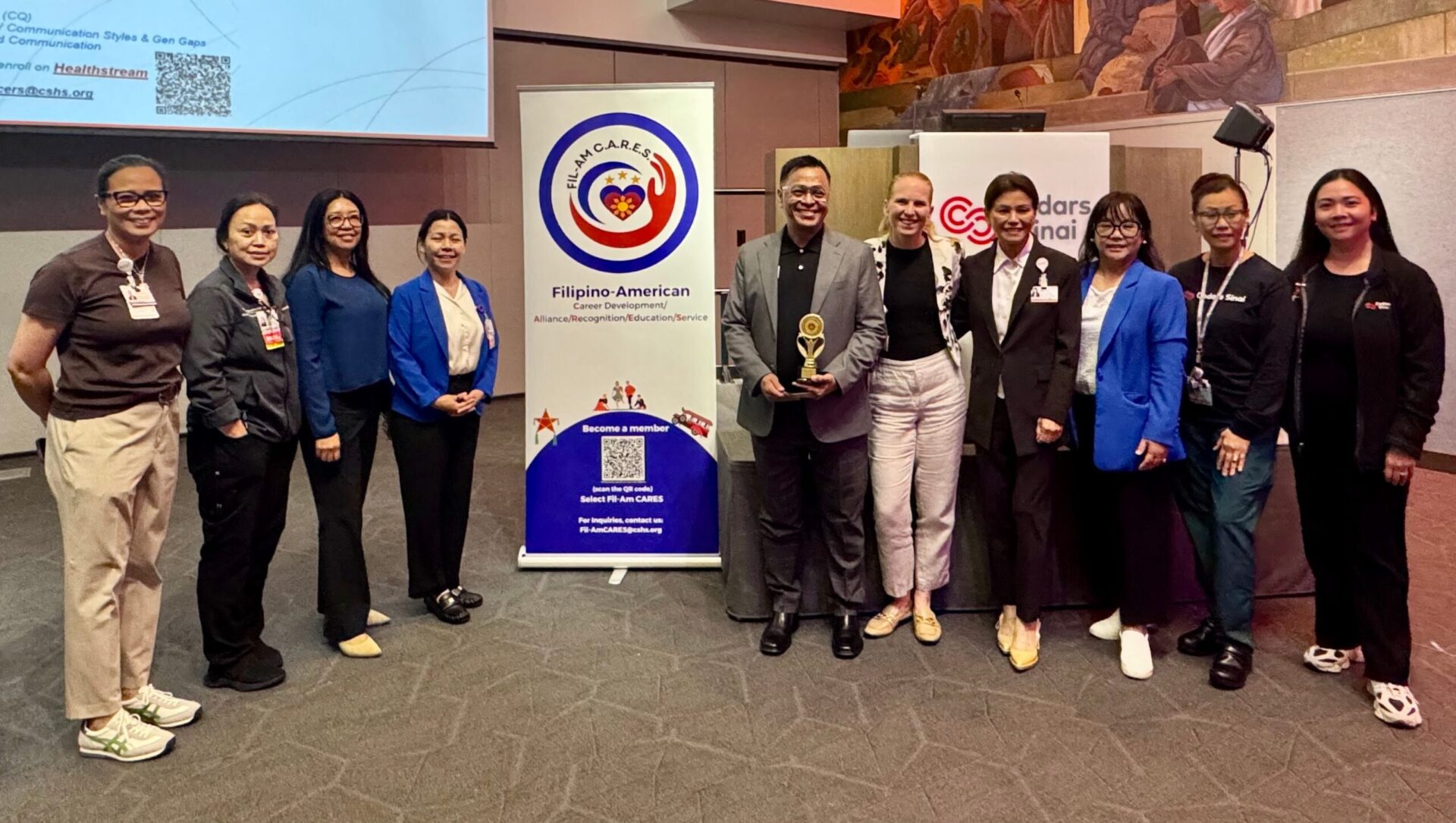
Filipino professionals needed language for understanding the cultural assumptions they carried into the workplace. They also needed tools that could support clearer communication and stronger relationships within diverse teams.
Culture shaped the setting.
Communication affected the movement of meaning.
Connection showed the result.
These ideas became the basis of C3.
Nations Are Carried by People
The London and Cedars-Sinai experiences were closely linked.
Nations are often discussed through governments, laws, borders, and official relations. They are also represented through people.
Migrants, nurses, teachers, artists, diplomats, students, and families become part of how a country is seen abroad. Their daily behaviour contributes to the image others form about their nation.
They also enter workplaces and communities shaped by another society’s cultural expectations.
A Filipino nurse may bring collectivist values into a workplace that rewards individual initiative. Respect for hierarchy may be interpreted as a lack of confidence. Indirect language may be seen as avoidance.
A workplace misunderstanding can therefore carry a larger cultural history.
This is where People and Nations begin to overlap.
An interaction between two colleagues may also involve migration, institutions, national identity, and unequal power. An embassy stands within the same space. It represents the country while supporting citizens who are living inside another cultural system.
The Nations lens asks how a country communicates its identity, how others interpret it, and what kind of relationship develops through those exchanges.
From One Lens to Three
By the end of 2025, I had seen the same movement in three areas.
Stories
Within Stories, culture influenced the way narratives were created and understood.
People
Within People, it affected communication, teamwork, adaptation, and trust.
Nations
Within Nations, it shaped representation, migration, diplomacy, and cross-border relationships.
Stories, People, and Nations became three lenses within one larger inquiry.
Culture, Communication, Connection
In 2026, I returned to the bamboo metaphor and began developing the C3 Bamboo Framework.
The framework is still growing. Its main movement is already clear.
Culture
Culture shapes what people bring into an encounter.
It includes history, identity, values, expectations, and experience. It can be influenced by nationality, family, profession, religion, generation, language, and social background.
These factors affect what people consider normal, respectful, credible, or meaningful.
Communication
Communication moves meaning between people and groups.
Words are part of it. Tone, timing, silence, symbols, behaviour, and context also matter.
Meaning can change as it moves. People may interpret the same message differently because they are using different cultural assumptions.
Connection
Connection describes what the encounter produced.
It may lead to trust, understanding, participation, and a stronger relationship. It may also lead to distance, confusion, exclusion, or conflict.
Communication alone does not guarantee connection. A message may be delivered clearly and still fail to reach the other person in the intended way.
A story may be available without resonating.
People may work together without trusting one another.
Countries may maintain diplomatic relations while continuing to misunderstand each other.
C3 offers a way to study the path from cultural context, through communication, toward connection.
Before the next section, it may be worth pausing here. Where do you already see Culture, Communication, and Connection at work, in a team you lead, a story you are telling, or a room you regularly walk into? That question is where a framework stops being interesting and starts being useful.
How C3 Relates to CIS
The C3 Bamboo Framework expands the field of inquiry.
The CIS Bamboo Framework remains the detailed application for storytelling. Its stages and methods were designed for creators who want their stories to travel across cultures.
C3 provides the wider structure in which that work now sits.
The People and Nations applications still require more research, testing, and collaboration. Giving them names does not mean they are already complete.
Bamboo begins below the ground. Its rhizomes grow before the next shoot becomes visible.
That is how I understand this stage of the work.
C3 Bamboo Framework
Culture, Communication, and Connection across Stories, People, and Nations.
CIS Bamboo Framework
The detailed storytelling application for creators working across cultures.
Returning to Arashiyama
When I look again at the Arashiyama photograph, I see the early image of a framework whose meaning became clear much later.
A bamboo grove looks like a collection of separate stalks. Beneath the soil, the plants belong to an interconnected system.
The parts of my work have grown in a similar way.
The book, the CIS Bamboo Framework, the talks, the teaching, the field encounters, and the C3 Journal each have a visible form. Their roots meet around the same concern: how culture shapes meaning and how communication affects human connection.
Stories, People, and Nations have their own questions and applications. They also share a common ground.
Bamboo grows from deep roots. It survives strong winds because it can move without losing its centre. Its rhizomes allow new shoots to appear beyond the original stalk.
That is the kind of framework I hope C3 will become: grounded in Southeast Asian experience, open to new contexts, and capable of growing through the work of other people.
I began with a question about stories travelling across cultures.
The work now asks how meaning moves across Stories, People, and Nations, and what kind of connection grows from that movement.
The C3 Bamboo Framework is my way of continuing that inquiry.
Like the grove in Arashiyama, it is still growing.
Editorial disclosure: This cornerstone article was developed from Ned Legaspi’s professional experience, research, field encounters, and framework development, then designed for publication with AI assistance. The ideas, chronology, interpretations, photographs, and final approval are the author’s.