Heritage can be physically returned. But can meaning, memory, and identity be returned with it?
I explored this question at the Annual Philippine Studies Conference 2025 at SOAS University of London, where scholars, researchers, cultural workers, and community advocates gathered to examine the repatriation of Philippine heritage across objects, archives, memory, and community life.
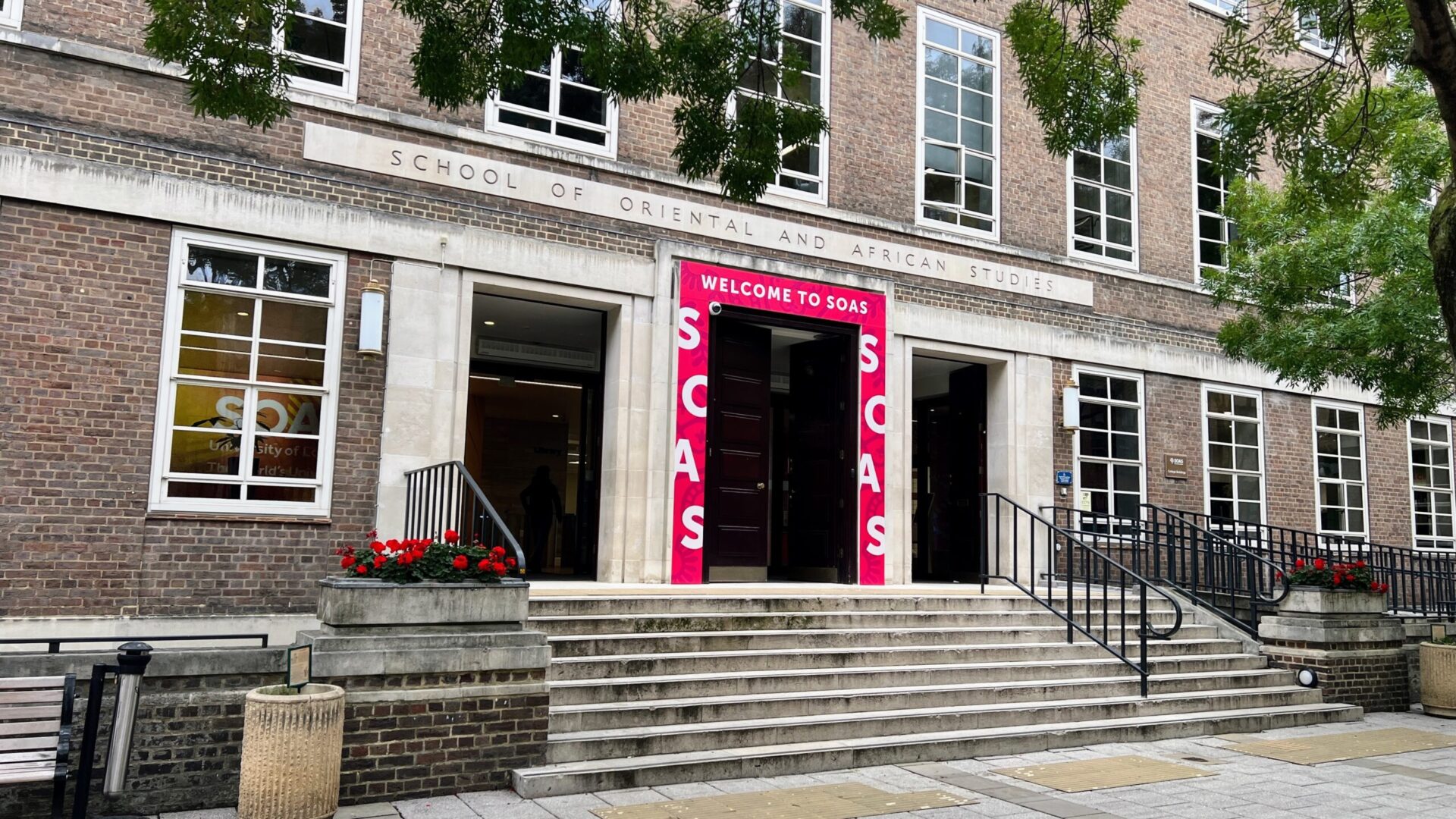
The Annual Philippine Studies Conference 2025 was held at SOAS University of London.
My presentation, “Restorying Heritage: A Culturally Intelligent Framework for Reclaiming Philippine Narratives,” was part of the conference session on tools for storytelling.
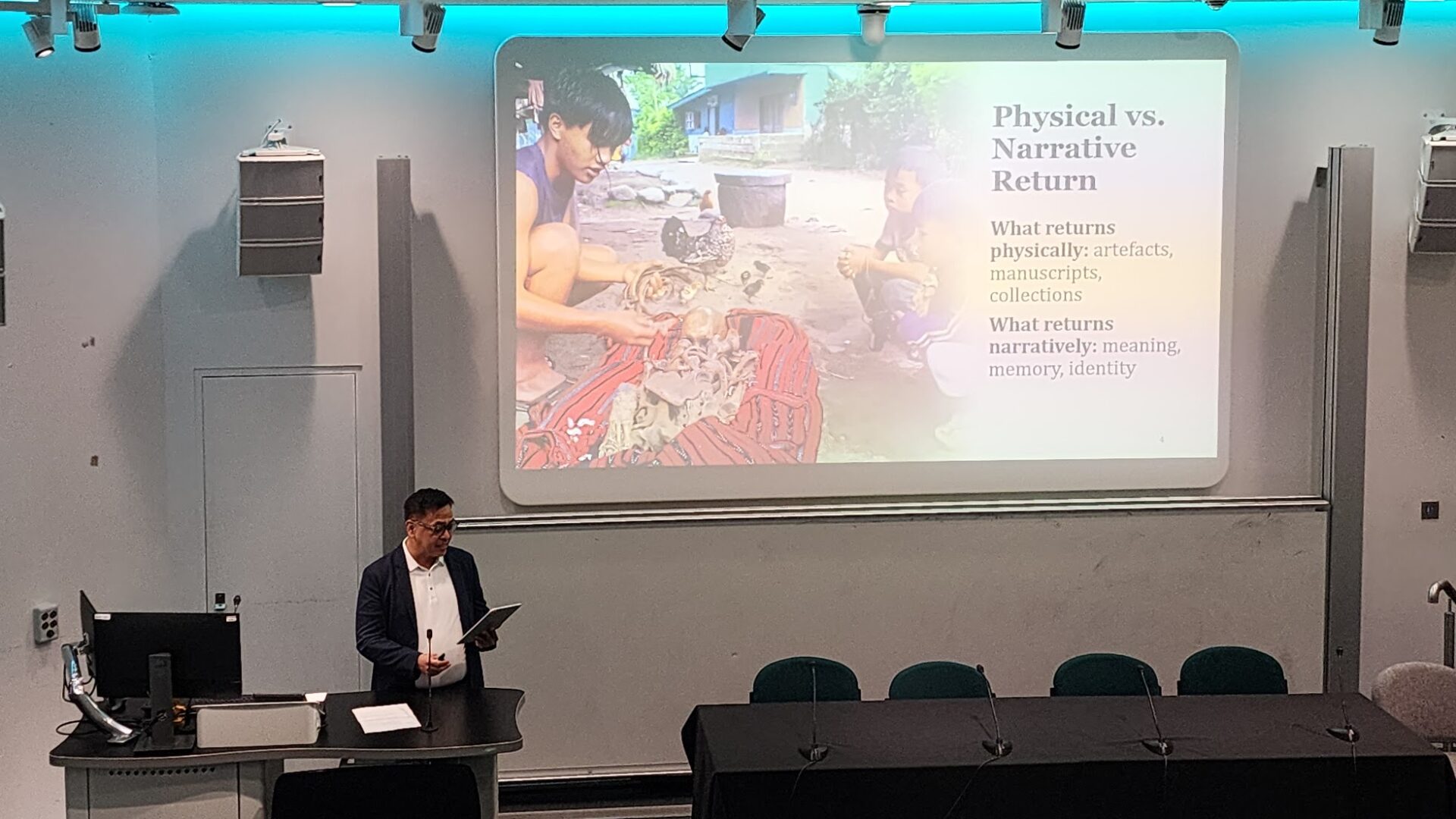
I proposed that repatriation is not only about the physical return of artefacts, manuscripts, photographs, and collections. It is also about narrative return: restoring meaning, memory, identity, and voice to communities whose stories have often been interpreted and preserved by others.
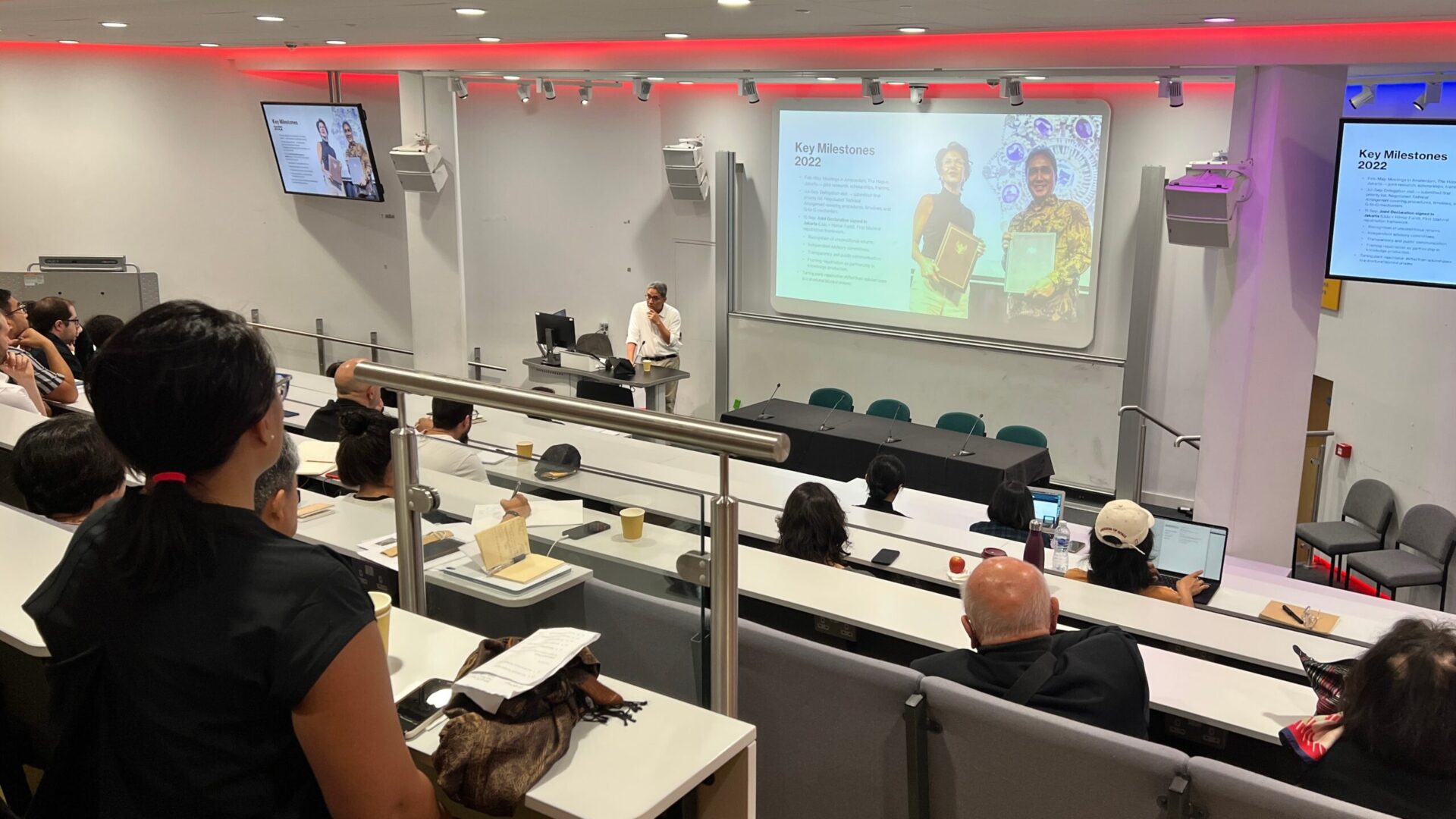
Scholars, researchers, and cultural practitioners gathered at SOAS for conversations on Philippine heritage, repatriation, archives, and memory.
Drawing from the CIS Bamboo Framework, I explored how cultural intelligence can offer a way of approaching these narratives with greater awareness of context, identity, relationships, and differences in cultural perspective.
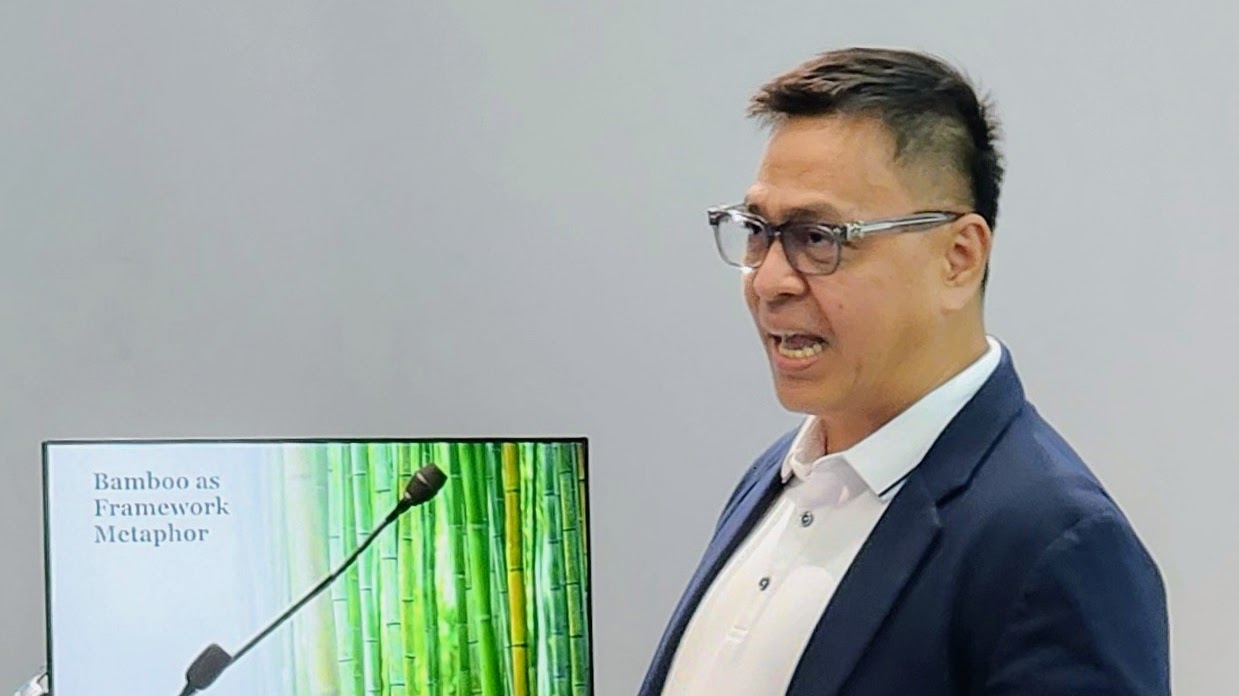
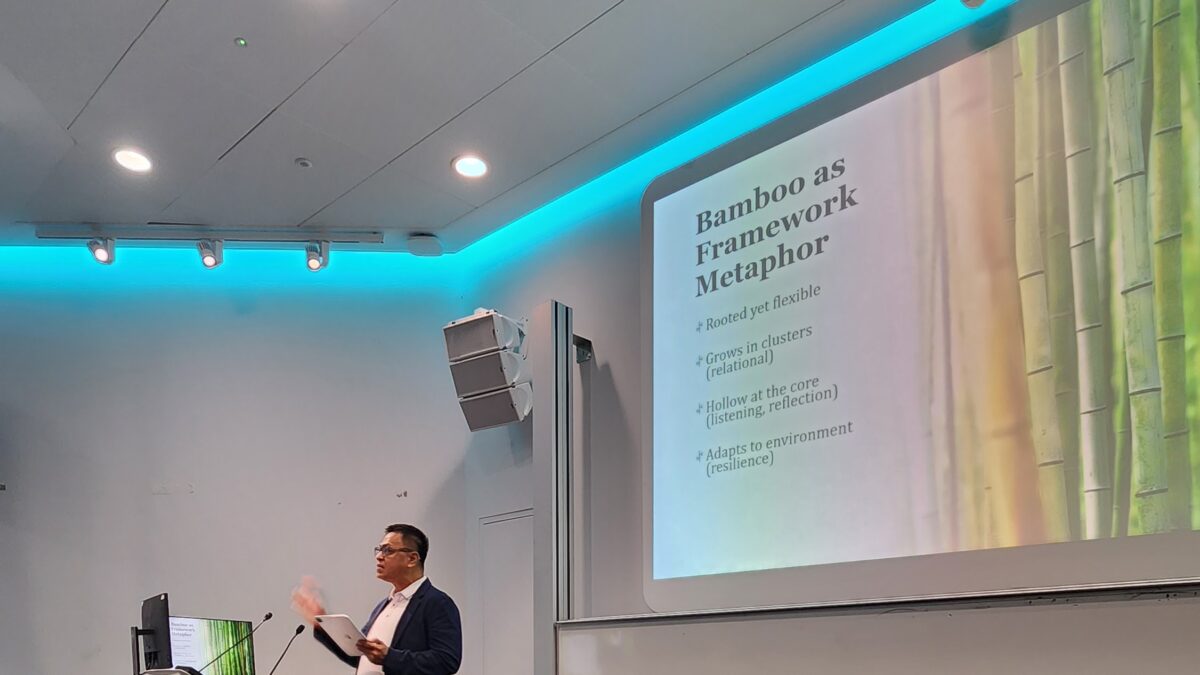
The bamboo served not only as the framework’s name, but also as a metaphor for the work of cultural restoration: rooted yet flexible, relational in the way it grows, open at the core, and able to adapt to its environment.
Ned Legaspi presenting the distinction between physical and narrative return at SOAS University of London
Presenting this work in London was especially meaningful. The conference brought together conversations about heritage held in museums and archives across borders with questions about the communities to whom these histories and objects remain deeply connected.
For me, the experience reinforced an idea that continues to shape my work: reclaiming heritage is also an act of storytelling. Returning an object matters. But so does asking who gets to tell its story, from whose perspective, and for whom.
Ned Legaspi introduces bamboo as both framework and metaphor: rooted yet flexible, relational, reflective, and adaptive.
Returning heritage is not only about bringing objects home. It is also about restoring meaning, memory, identity, and voice.
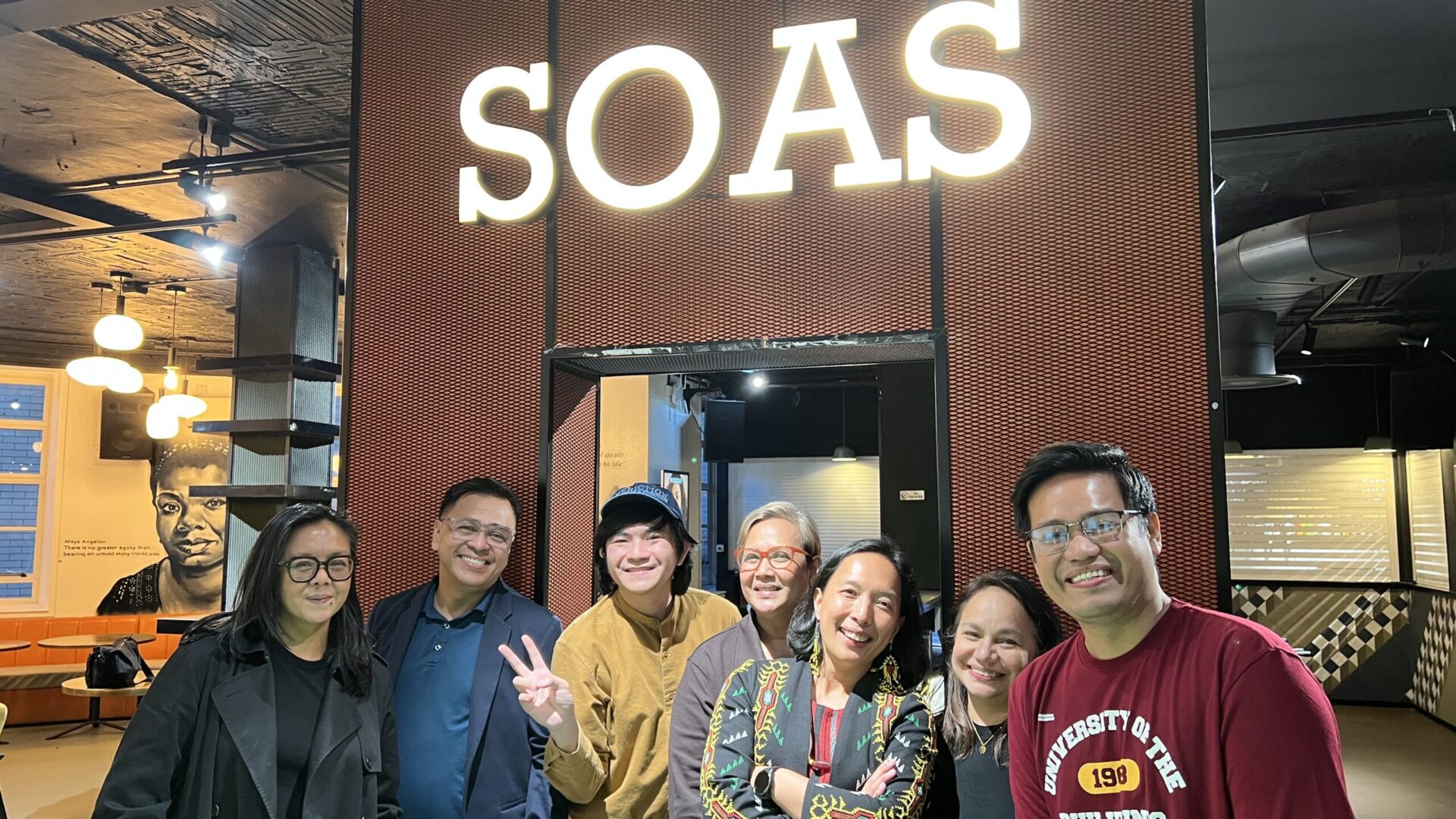
Continuing the conversation with members of the Philippine Studies community at SOAS University of London.